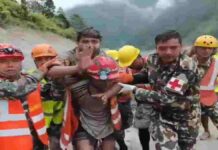

A sharp escalation in tensions between Afghanistan and Pakistan unfolded on Wednesday after Afghanistan announced that it had carried out retaliatory airstrikes on suspected Islamic State (ISIS) hideouts inside Pakistan. The strikes came just days after Pakistani military operations inside Afghanistan reportedly killed at least 36 civilians, triggering outrage in Kabul and raising fears of a wider regional conflict.
Afghanistan Confirms Cross-Border Airstrikes
Afghanistan’s Ministry of Defence stated that its air force targeted ISIS-linked camps located in Pakistan’s Balochistan and Khyber Pakhtunkhwa provinces. According to Afghan officials, these locations had been used by militants to plan and launch attacks against Afghanistan.
The Taliban-led administration described the operation as a defensive and retaliatory measure aimed at preventing future terrorist attacks. Officials insisted the strikes were directed exclusively at militant infrastructure and not civilian settlements.
Background: Pakistan’s Earlier Military Operation
The latest military action follows Pakistan’s large-scale cross-border strikes conducted earlier this week in Afghanistan’s eastern provinces of Paktia, Paktika and Kunar. Islamabad said those operations targeted militant hideouts linked to the Tehreek-e-Taliban Pakistan (TTP) and affiliated extremist groups responsible for recent attacks inside Pakistan.
However, Afghan authorities strongly rejected Pakistan’s claims, asserting that the strikes hit residential areas and resulted in the deaths of at least 36 civilians, including women and children, while injuring more than 160 others. The United Nations also confirmed significant civilian casualties, although independent verification of all figures remains ongoing.
Rising Border Tensions
Relations between the two neighbouring countries have deteriorated steadily over the past several months amid repeated accusations of cross-border terrorism.
Pakistan has consistently accused the Afghan Taliban government of allowing TTP militants to operate from Afghan territory, allegations Kabul denies. Afghanistan, in turn, accuses Pakistan of violating its sovereignty through repeated military incursions and airstrikes.
Wednesday’s retaliatory operation marks one of the most direct military responses by Afghanistan inside Pakistani territory since tensions intensified earlier this year.
Pakistan Yet to Issue Detailed Response
Pakistan has not immediately released a comprehensive statement regarding the Afghan strikes. Security agencies are reportedly assessing the extent of the damage in the targeted areas of Balochistan and Khyber Pakhtunkhwa.
Officials are expected to review intelligence reports before deciding on any further military or diplomatic response. The situation remains highly fluid, with both countries maintaining heightened military alertness along their shared border.
Security Concerns Across the Region
Security analysts warn that continued military exchanges could further destabilize one of South Asia’s most volatile border regions. Both Afghanistan and Pakistan have struggled for years with insurgent violence involving groups such as ISIS-K and the TTP.
The latest developments also raise concerns about humanitarian conditions in border communities, where repeated military operations have displaced civilians and disrupted normal life. International observers continue to urge both governments to exercise restraint and prioritize diplomatic engagement over military escalation.
International Community Watches Closely
The renewed confrontation is being closely monitored by regional and global powers concerned about the broader security implications. Analysts believe that any prolonged conflict between Afghanistan and Pakistan could create additional opportunities for extremist organisations to expand their activities across the region.
Diplomatic efforts aimed at reducing tensions may become increasingly important in preventing further military escalation and protecting civilian populations living along the Afghanistan-Pakistan border.