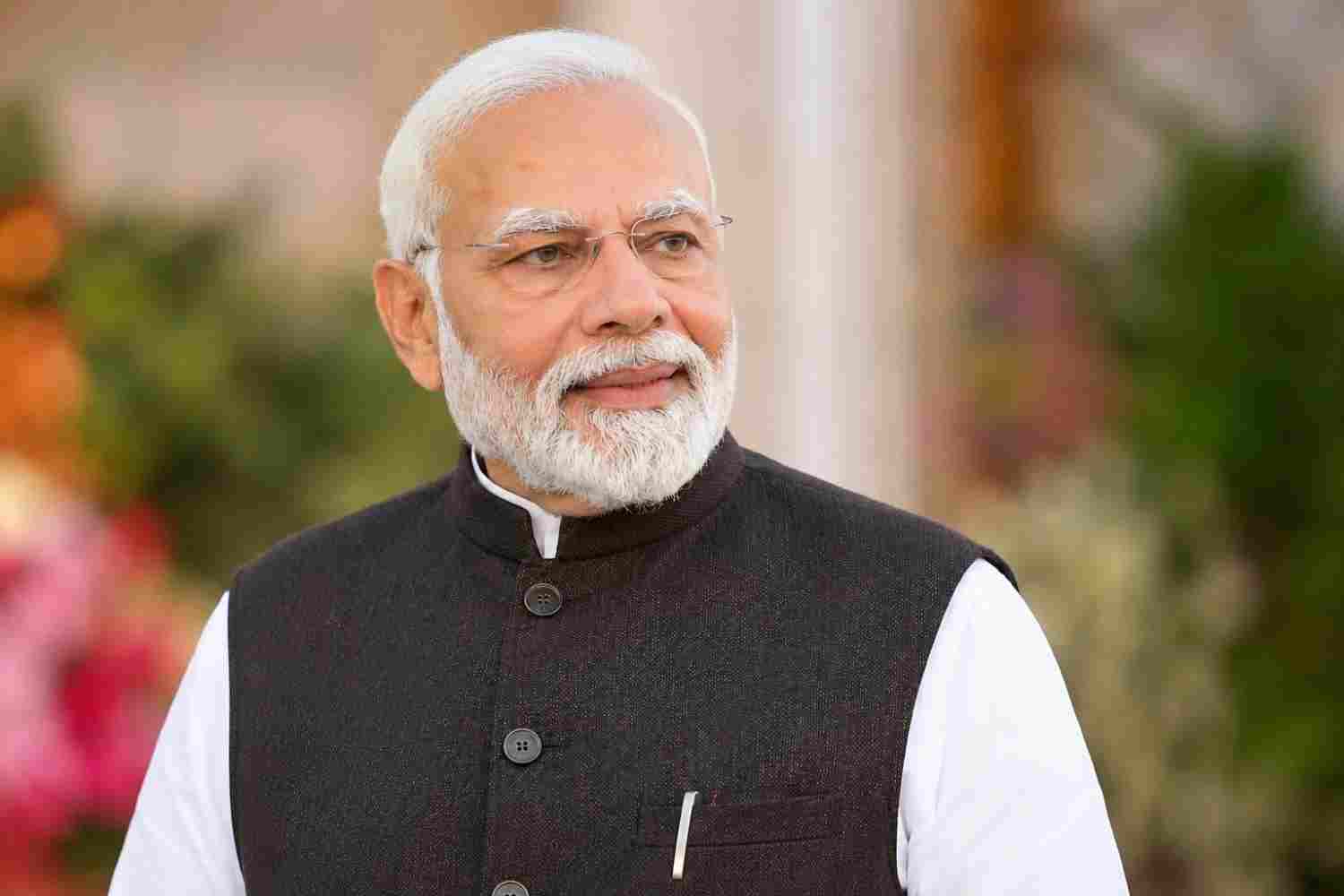
Indian Prime Minister Narendra Modi on Monday welcomed the emerging understanding between the United States and Iran aimed at ending months of conflict in West Asia, describing it as an important step towards restoring peace, stability and uninterrupted global commerce. His statement signals India’s carefully calibrated diplomatic approach as New Delhi seeks to protect its strategic interests while supporting dialogue over confrontation.
In a statement posted on social media, PM Modi said,“I welcome the understanding reached between the United States and Iran on ending the conflict in West Asia.” He further expressed hope that the implementation of the understanding would restore peace in the region, safeguard freedom of navigation and facilitate international trade. PM Modi said, “India hopes that the implementation of this understanding will help restore peace and stability in the region and ensure the freedom of navigation and commerce.”
The Prime Minister also emphasised that unresolved issues should be addressed through sustained negotiations that ultimately lead to a durable and sustainable agreement.
India Signals Support for Diplomacy Over Military Escalation
The statement marks India’s first formal endorsement of the reported diplomatic breakthrough between Washington and Tehran after weeks of heightened tensions that had destabilised global energy markets and threatened one of the world’s most crucial maritime trade routes.
The conflict had disrupted economies worldwide, increased oil price volatility and raised fears of prolonged instability across the Gulf region. The Strait of Hormuz, a vital shipping corridor carrying a significant portion of global oil supplies, had become a focal point of international concern.
By welcoming the understanding, India has reinforced its long-standing foreign policy principle that dialogue and diplomacy remain the most effective tools for resolving international disputes.
Political observers say PM Modi’s wording was deliberate and balanced. Instead of celebrating a final peace accord, he used terms such as “understanding” and “sustainable final agreement”, indicating India’s cautious optimism while acknowledging that negotiations are still underway.
Why This Matters Deeply for India
For India, stability in West Asia is not merely a foreign policy issue but an economic necessity. India imports a substantial portion of its crude oil requirements from the Gulf region. Any prolonged disruption in shipping routes directly impacts fuel prices, inflation, transportation costs and industrial growth.
Millions of Indians also live and work across West Asian countries, making regional stability a critical national priority.
In recent weeks, the government had already begun preparing for possible energy supply disruptions amid escalating hostilities.
The latest diplomatic breakthrough therefore offers significant relief for New Delhi.
If implemented successfully, the agreement could lead to:
- Stabilisation of global crude oil prices
- Restoration of uninterrupted maritime trade
- Improved investor confidence
- Reduced geopolitical risks
- Enhanced safety for Indian citizens living in the region
Diplomatic Analysis: Four Key Messages Behind PM Modi’s Statement
India Is Reaffirming Strategic Neutrality
India has strong ties with both the United States and Iran.
Washington remains India’s most important strategic partner in technology, defence and trade, while Iran is a critical energy and connectivity partner.
By welcoming the agreement instead of siding with any one nation, India is protecting both relationships simultaneously.
Focus on Freedom of Navigation
PM Modi’s explicit mention of “freedom of navigation and commerce” carries significant strategic weight.
This is a signal that India considers secure maritime routes non-negotiable for global economic stability.
Any disruption in the Strait of Hormuz can have immediate consequences for India’s economy.
India Is Positioning Itself as a Responsible Global Voice
The Prime Minister’s language aligns with India’s growing aspiration to act as a bridge-builder in global conflicts.
Rather than taking an ideological position, New Delhi is advocating practical diplomacy centred around stability, trade and peace.
India Wants Long-Term Solutions, Not Temporary Ceasefires
The phrase “sustainable final agreement” indicates that India is looking beyond immediate de-escalation.
New Delhi believes unresolved issues, including sanctions, security concerns and nuclear-related discussions, require comprehensive negotiations.
Global Attention Now Turns to Implementation
While world leaders have broadly welcomed the development, analysts warn that the real challenge lies ahead.
Several critical issues still require negotiation, including Iran’s nuclear programme, sanctions relief and long-term security guarantees. Hardline groups in both countries may also challenge the process.
Despite these uncertainties, international markets responded positively, with investors viewing diplomacy as a major step towards reducing geopolitical risks. Oil prices eased and market sentiment improved following the announcement.
A Calculated and Mature Diplomatic Message
PM Modi’s statement reflects a mature diplomatic balancing act that prioritises India’s national interests while supporting global peace efforts.
At a time when wars have become increasingly interconnected with economic stability, energy security and global trade, India’s response underlines an important message: sustainable diplomacy benefits not only the nations involved in conflict but the entire world.
The coming weeks will determine whether the US-Iran understanding evolves into a lasting peace framework, but New Delhi has already made its position clear — dialogue, stability and uninterrupted global commerce remain the preferred path forward.