
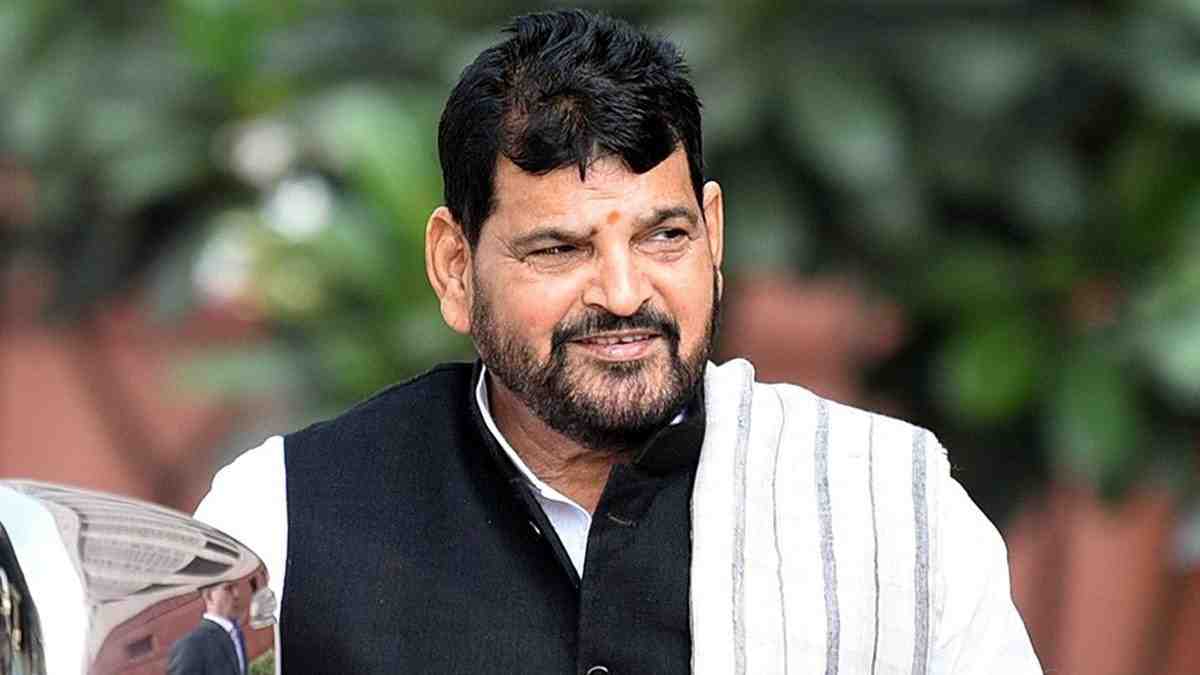
A Delhi court on Monday acquitted former Wrestling Federation of India (WFI) chief Brij Bhushan Sharan Singh in the sexual harassment case filed by six women wrestlers. The court also acquitted former WFI assistant secretary Vinod Tomar after completing the trial and hearing final arguments from both the prosecution and the defence.
The judgment marks a significant turning point in a case that remained at the centre of national attention for more than three years. It attracted widespread public debate over athlete safety, accountability in sports administration, and the functioning of India’s wrestling federation.
Background of the Case
The controversy first erupted in 2023 when several internationally renowned Indian women wrestlers accused Brij Bhushan Singh of sexual harassment during his tenure as WFI president. Their allegations led to prolonged protests at Delhi’s Jantar Mantar and drew support from athletes, civil society groups, and political leaders across the country.
Following directions from the Supreme Court, Delhi Police registered FIRs and launched an investigation. One case involving a minor complainant under the POCSO Act had already been closed earlier after the complainant withdrew the allegations. The present case related to complaints filed by six adult women wrestlers.
Trial and Court Proceedings
During the trial, the prosecution presented witness testimonies and documentary evidence in support of the allegations. The defence consistently denied all charges, arguing that the accusations were false and unsupported by sufficient evidence.
After months of hearings conducted largely in camera, the court reserved its verdict following the completion of final arguments from both sides. On Monday, the court pronounced its decision, acquitting both accused individuals of all charges in the case.
A Case That Sparked Nationwide Protests
The allegations against Brij Bhushan Singh triggered one of the biggest athlete-led protests in India’s sporting history. Olympic and international medal-winning wrestlers staged demonstrations demanding his arrest and reforms within the Wrestling Federation of India.

The protests continued for several months and generated intense public discussion regarding athlete welfare, women’s safety in sports, and institutional accountability. The movement also prompted government intervention and administrative changes within Indian wrestling.
Although the legal proceedings have now concluded with the acquittal, the protests remain an important chapter in the history of Indian sports governance.
Impact on Indian Wrestling
The controversy had far-reaching consequences beyond the courtroom. It affected the functioning of the Wrestling Federation of India, delayed several administrative decisions, and impacted preparations for international competitions.
Many athletes repeatedly expressed concerns over uncertainty in the sport, while administrators faced increasing scrutiny from both the government and sporting bodies.
The court’s verdict may now help bring legal closure to the case, but discussions on governance reforms, athlete protection mechanisms, and grievance redressal systems are expected to continue.
Reactions Expected
The verdict is likely to generate varied reactions from different stakeholders. Supporters of Brij Bhushan Singh have welcomed the judgment as vindication after years of legal proceedings.
On the other hand, the women wrestlers and their legal representatives are expected to study the court’s detailed order before deciding their future legal course, including the possibility of filing an appeal if permitted under law.
Political parties and sports organisations are also expected to respond to the judgment, given the national significance of the case.
Legal Significance
Legal experts note that an acquittal signifies that the prosecution could not establish guilt beyond reasonable doubt based on the evidence presented before the court. It does not necessarily determine broader public debates surrounding the controversy but concludes the criminal trial unless challenged before a higher court.
The judgment also underscores the importance of due legal process, witness examination, documentary evidence, and judicial scrutiny in criminal proceedings.
What Lies Ahead
With the court clearing Brij Bhushan Singh and Vinod Tomar, attention is likely to shift toward the future of Indian wrestling and ongoing efforts to strengthen governance within sports federations.
The verdict closes one of India’s most discussed sports-related criminal cases, but conversations surrounding athlete safety, transparency, and institutional reforms are expected to remain central to the future of Indian sports administration.