
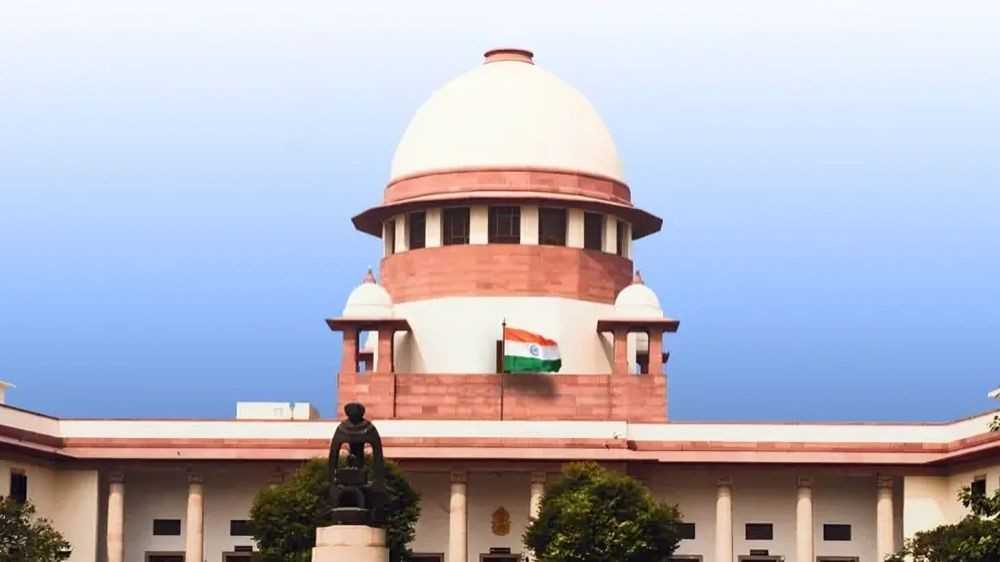
NEW DELHI: The Supreme Court of India is set to expand its judicial strength following the appointment of five distinguished legal professionals as judges of the apex court. Acting under the powers granted by Article 124(2) of the Constitution of India, the President of India has approved the elevation of four Chief Justices from various High Courts and a senior advocate to the country’s highest judicial institution.
According to official notifications issued on June 1, 2026, the appointments will take effect from the date the appointees assume charge of their offices as judges of the Supreme Court.
The newly appointed judges include Justice Sheel Nagu, currently serving as the Chief Justice of the Punjab and Haryana High Court; Justice Shree Chandrashekhar, Chief Justice of the Bombay High Court; Justice Sanjeev Sachdeva, Chief Justice of the Madhya Pradesh High Court; and Justice Arun Palli, Chief Justice of the High Court of Jammu & Kashmir and Ladakh. Joining them is senior advocate Venkita Subramani Mohana, whose elevation marks a significant addition to the Supreme Court bench from the Bar.
The appointments represent an important step in maintaining the strength and efficiency of the Supreme Court, which continues to face a substantial workload involving constitutional matters, civil disputes, criminal appeals, and public interest litigation. The inclusion of experienced High Court Chief Justices is expected to bring valuable administrative and judicial expertise to the apex court.
Justice Sheel Nagu has had an extensive judicial career and is known for handling a wide range of cases during his tenure in the higher judiciary. Justice Shree Chandrashekhar has earned recognition for his judicial contributions across different High Courts before assuming leadership of the Bombay High Court, one of the country’s most prominent judicial institutions.
Justice Sanjeev Sachdeva has been associated with several significant rulings and administrative responsibilities during his service in the judiciary. Similarly, Justice Arun Palli has played an important role in the judicial administration of the High Court of Jammu & Kashmir and Ladakh, dealing with legal issues unique to the region while ensuring access to justice.
The appointment of Venkita Subramani Mohana is particularly noteworthy as it reflects the continued practice of elevating accomplished members of the legal profession directly from the Bar to the Supreme Court. Such appointments contribute to the diversity of professional experience on the bench and bring fresh perspectives to judicial deliberations.
Legal experts believe that the induction of the five new judges will enhance the Supreme Court’s ability to address pending cases and strengthen its role as the guardian of the Constitution. The appointments also underscore the importance of maintaining a balanced representation of judicial experience from different parts of the country.
The Supreme Court occupies a central place in India’s democratic framework, serving as the final interpreter of the Constitution and the ultimate court of appeal. The quality and experience of its judges play a crucial role in shaping the development of law and protecting fundamental rights.
With these appointments, the apex court is expected to benefit from a combination of administrative leadership, judicial experience, and legal scholarship. As the new judges prepare to assume office, the legal fraternity and court observers will closely watch their contributions to some of the most significant constitutional and legal questions facing the nation.
The latest appointments reaffirm the government’s commitment to ensuring that the Supreme Court remains adequately staffed to discharge its constitutional responsibilities effectively. The expanded bench is expected to contribute to the efficient functioning of the judiciary and reinforce public confidence in the country’s justice delivery system.