After months of escalating violence and renewed military operations in southern Lebanon, Israel and Hezbollah have agreed to a ceasefire that took effect on June 19. The agreement is being viewed as a significant diplomatic breakthrough aimed at preventing a wider regional conflict that could further destabilise the Middle East.
Ceasefire follows weeks of intensified hostilities
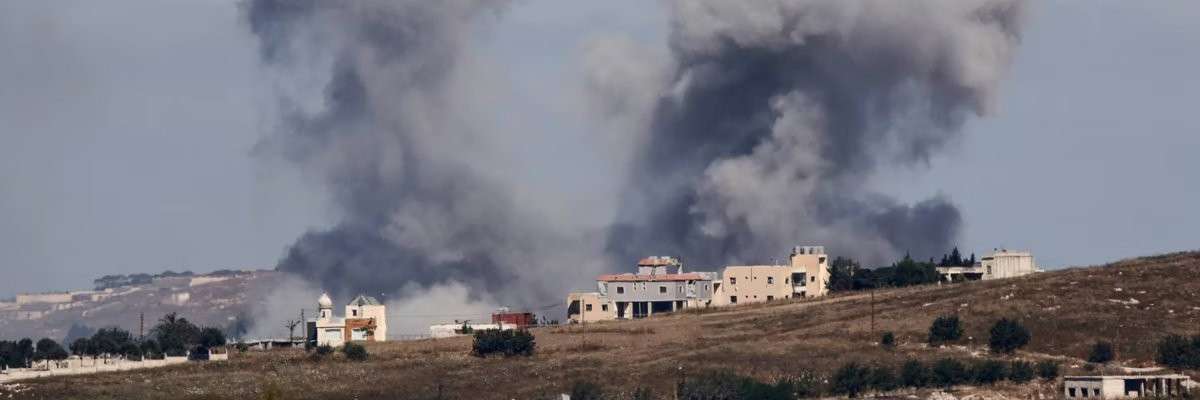
The latest truce comes after a sharp escalation in fighting between Israeli forces and the Iran-backed Hezbollah group. Both sides have exchanged heavy fire in recent weeks, causing significant casualties and destruction, particularly in southern Lebanon. The renewed clashes threatened to derail broader diplomatic efforts involving regional and international stakeholders.
According to reports, negotiations were facilitated by the United States and Qatar, while Iran also played an indirect role in supporting diplomatic efforts. The ceasefire was scheduled to begin at around 4 pm local time on Friday, June 19.
Casualties mounted on both sides before agreement
The agreement came after one of the deadliest phases of the recent conflict. In Lebanon, dozens of people were killed in Israeli airstrikes targeting areas believed to house Hezbollah infrastructure and command centres. Meanwhile, Hezbollah attacks on Israeli positions led to the deaths of several Israeli soldiers and injuries to others.
The ongoing conflict has also contributed to a growing humanitarian crisis. Since the latest round of violence began in March, thousands of people have reportedly died in Lebanon, while hundreds of thousands have been displaced from their homes. Israel has also suffered military and civilian casualties during the prolonged exchanges.
International mediation played a crucial role
Diplomatic intervention intensified after fears grew that the Israel-Hezbollah confrontation could jeopardise broader regional peace efforts, particularly talks involving the United States and Iran.
Negotiations that were scheduled to take place in Switzerland reportedly faced delays because of the deteriorating security situation in Lebanon. International mediators viewed calming the Israel-Hezbollah front as essential to preventing further instability across the region.
Officials from multiple countries urged both parties to exercise restraint and honour the terms of the agreement. International observers have described the ceasefire as a necessary first step rather than a comprehensive solution to the long-standing conflict.
Concerns remain over implementation
Despite the announcement, reports suggested that military operations did not completely stop immediately after the ceasefire officially began. Both sides have previously accused each other of violating earlier agreements, raising concerns about whether the latest truce will hold.
Israeli officials have maintained that security operations could continue if threats emerge from Hezbollah positions. Hezbollah, on the other hand, has repeatedly stated that any violation by Israel would invite retaliation. These competing positions make the agreement particularly fragile.
Analysts say that successful implementation will depend on strict adherence by both parties and continuous monitoring by international mediators.
Regional implications remain significant
The conflict between Israel and Hezbollah has increasingly become linked to broader geopolitical tensions involving Iran and Western powers. Any collapse of the ceasefire could have implications beyond Lebanon and Israel, potentially affecting shipping routes, energy markets and ongoing diplomatic initiatives across the Middle East.
The Strait of Hormuz, one of the world’s most critical energy corridors, has remained a major concern during recent tensions. Stability along the Israel-Lebanon border is seen as important for ensuring broader regional security and preventing economic disruptions.
Uncertain road ahead
While the June 19 ceasefire offers a temporary pause in hostilities, experts caution that it does not resolve the underlying issues that have fuelled years of confrontation between Israel and Hezbollah.
Deep disagreements over border security, Hezbollah’s military presence in southern Lebanon and regional power dynamics continue to remain unresolved. Sustained diplomacy, international pressure and mutual restraint will be essential to transforming the ceasefire into a lasting peace arrangement.
For now, residents on both sides of the border hope the agreement will provide relief after months of fear, displacement and uncertainty, even as concerns linger about whether the fragile truce can survive the challenges ahead.