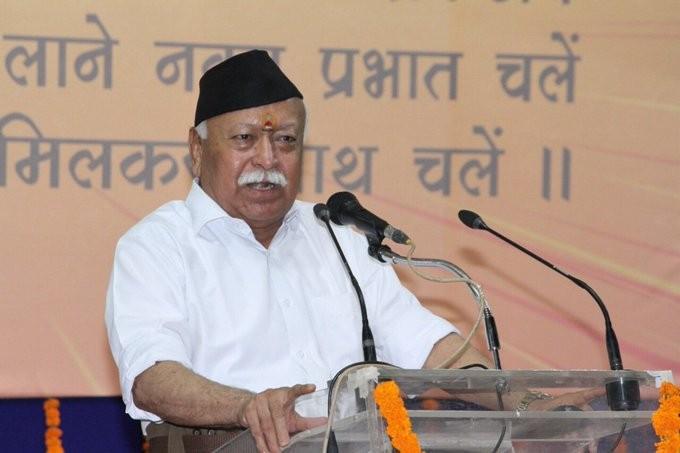
India’s youth should not be branded as anti-national simply because they choose to protest, Rashtriya Swayamsevak Sangh (RSS) chief Mohan Bhagwat said on Thursday, urging society and the government to engage with young people through dialogue instead of suspicion. His remarks came during an interaction with Gen Z and Gen Alpha students at a major youth conference in Mumbai, where he described the concerns of the younger generation as genuine and deserving of attention.
Bhagwat Urges Respect for Youth Opinions
Addressing thousands of students, Bhagwat said every generation has its own way of expressing concerns and aspirations. He noted that when his generation was young, people generally accepted the views of elders without much questioning. However, today’s youth are more willing to ask questions, seek explanations, and demand accountability.
According to Bhagwat, this shift should not be viewed negatively. Instead, he said it reflects changing times and greater awareness among young citizens. He stressed that young people should be heard with patience and respect rather than being dismissed for raising uncomfortable questions.
“Protest Does Not Mean Anti-National”
One of the strongest messages from Bhagwat’s address was his assertion that protesting students should not automatically be labelled anti-national. He argued that patriotism can be expressed in different ways and that disagreement with policies or institutions does not amount to disloyalty toward the nation.
Bhagwat said many young protesters are motivated by a sincere desire to improve the country. Their criticism, he suggested, often stems from hope rather than hostility. He called for a balanced approach that distinguishes between constructive dissent and activities intended to harm the nation.
Democratic Dialogue Is Essential
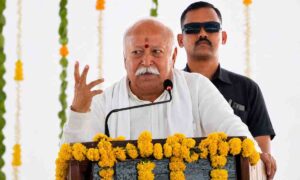
The RSS chief emphasized that protests are a legitimate part of democratic life when conducted peacefully. He described public demonstrations as one way citizens communicate their concerns and seek solutions.
Bhagwat added that democracy thrives when differing viewpoints are discussed through reason and mutual respect. Rather than responding with confrontation, he said authorities should strive to build consensus by understanding the issues that prompt citizens to take to the streets.
Remarks Come Amid Student Protests
Bhagwat’s comments come against the backdrop of widespread student protests across the country over alleged examination irregularities, including the NEET-UG paper leak controversy and broader concerns regarding transparency in the education system.
The nationwide demonstrations have placed youth issues at the center of public debate, leading to significant political developments and renewed discussions on examination reforms. Bhagwat acknowledged that many of the concerns being voiced by students deserve serious consideration rather than outright rejection.
Outreach to Gen Z and Gen Alpha
The Mumbai event marked one of the RSS leadership’s most significant interactions with younger generations in recent years. More than 2,000 students from over 100 cities reportedly participated in the programme, which focused on leadership, national development, and civic responsibility.
Observers view the event as an effort to better understand the aspirations of Gen Z and Gen Alpha, who are increasingly shaping India’s political, educational, and social conversations through both digital platforms and public activism.
Youth Seen as Honest and Responsible
Bhagwat also praised the younger generation for what he described as their honesty and willingness to speak openly about problems. He suggested that this openness should be encouraged because it helps institutions identify shortcomings and improve governance.
He said young Indians are deeply connected to the country’s future and are eager to contribute positively when given opportunities to participate in meaningful discussions and decision-making processes.
Political Attention on Young Voters
The growing influence of young voters has become a major focus across the political spectrum. Student-led protests over education, employment, and governance have highlighted the expectations of India’s rapidly expanding youth population.
Political observers believe engagement with younger citizens is becoming increasingly important as policymakers and public leaders seek to address concerns related to education, jobs, and opportunities. Bhagwat’s remarks are being seen as part of a broader recognition that India’s future will be shaped significantly by the voices of its younger generations.
Call for Constructive Engagement
Concluding his interaction, Bhagwat appealed for continuous dialogue between institutions and the youth. He said disagreements should become opportunities for learning rather than division, adding that listening to young citizens with empathy would strengthen democracy and national unity.
His message underscored the importance of respecting peaceful dissent while encouraging constructive participation in nation-building. By recognising the sincerity of young protesters and urging open communication, Bhagwat sought to reinforce the idea that democratic societies grow stronger when every generation has the confidence to express its views responsibly.
Click here to join our WhatsApp Channel for real-time news updates and exclusive coverage.