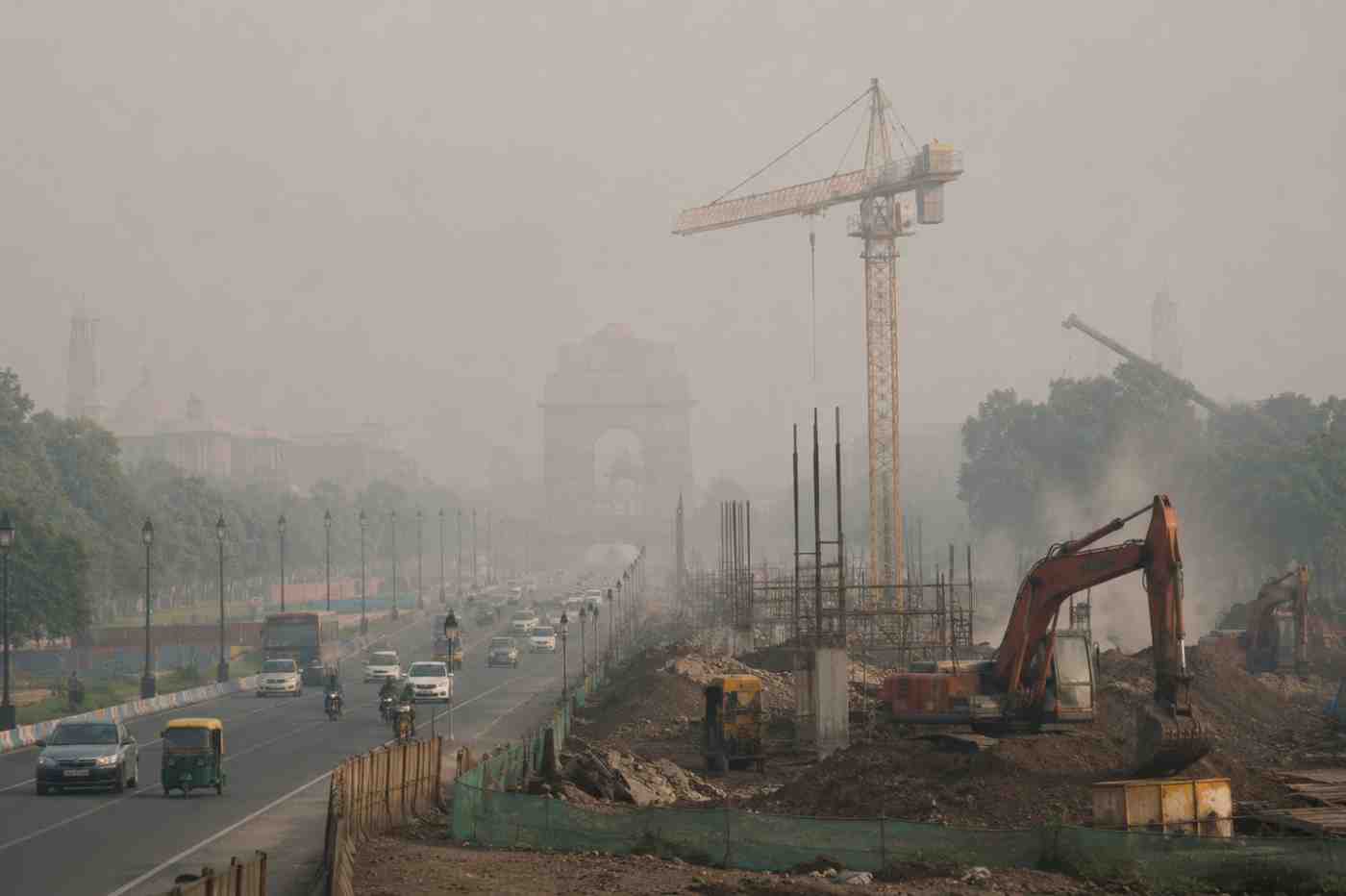
NEW DELHI: In a significant policy shift aimed at tackling the capital’s recurring winter air pollution crisis, the Delhi government has notified a permanent Winter Pollution Master Plan that will automatically come into force every year from November 1 to February 28. The new framework replaces the earlier practice of issuing temporary seasonal orders and establishes a fixed set of anti-pollution measures covering vehicular emissions, construction activities, office attendance, waste burning and public transport.
The government said the initiative has been designed to ensure timely implementation of pollution-control measures well before Delhi enters its peak smog season. The framework also incorporates provisions from the revised Graded Response Action Plan (GRAP) issued by the Commission for Air Quality Management (CAQM), along with directions from the Supreme Court, creating a single rulebook for winter pollution management.
Permanent Framework Replaces Seasonal Notifications
For years, Delhi has relied on temporary notifications to introduce emergency restrictions as air quality deteriorated during winter. Under the newly notified policy, the restrictions will now become automatic every year, allowing government departments, businesses and residents to prepare in advance.
Chief Minister Rekha Gupta said the new system consolidates several existing anti-pollution measures into a permanent framework, reducing uncertainty and ensuring faster enforcement during the months when pollution levels are typically at their highest.
No Fuel Without a Valid PUC Certificate
Among the most notable provisions is a year-round restriction on fuel supply to vehicles that do not possess a valid Pollution Under Control (PUC) certificate.
Petrol pumps, diesel stations, CNG outlets and LPG stations across Delhi will only provide fuel to vehicles that comply with emission norms. Authorities will verify compliance not only through physical certificates but also by using electronic databases linked to vehicle records, making enforcement more effective.
Officials believe this measure will encourage vehicle owners to maintain emission standards throughout the year rather than only during inspection drives.
Restrictions on Vehicles During Winter
The framework also introduces stricter regulations for vehicles entering the national capital during the high-pollution season.
Between November 1 and January 31, non-BS VI vehicles registered outside Delhi will not be allowed to enter the city. However, exemptions have been provided for electric vehicles, CNG-powered vehicles, ambulances, emergency response vehicles and other notified essential services.
The government expects the measure to significantly reduce emissions from older, more polluting vehicles entering Delhi during winter months.
Work From Home and Staggered Office Timings
To reduce traffic congestion and vehicular emissions, the government has mandated that only 50 per cent of employees in Delhi government offices and private establishments should work from their offices between November 1 and January 31. The remaining employees will work from home wherever feasible.
The policy also introduces staggered office timings to distribute traffic more evenly throughout the day and reduce peak-hour congestion.
Essential sectors such as healthcare, emergency services, electricity, water supply, sanitation, disaster management and public transport will remain exempt from the work-from-home requirement.
Construction and Demolition Curbs
Construction dust remains one of Delhi’s major pollution sources during winter. To address this, demolition work and dust-generating construction activities will remain prohibited between November 1 and January 31.
Even stricter restrictions will apply from December 10 to January 20, when only essential public infrastructure and emergency projects will be permitted to continue.
Vehicles transporting construction materials such as sand, cement, gravel and debris will also be barred from entering Delhi during the peak pollution period.
Meanwhile, construction sites above prescribed limits and large commercial buildings will be required to install anti-smog guns or mist systems to suppress dust emissions.
Parking Charges to Double
To discourage the use of private vehicles, authorised parking facilities across Delhi will charge double parking fees throughout the winter pollution period.
However, parking facilities operated by the Delhi Metro Rail Corporation (DMRC) will remain exempt from the increased charges to encourage greater use of public transport.
Officials believe that promoting metro travel and reducing dependence on private vehicles will contribute to lower emissions during the smog season.
Crackdown on Waste Burning
The permanent framework also strengthens action against the open burning of waste, leaves and biomass, which significantly worsens winter air quality.
Resident Welfare Associations (RWAs), housing societies, contractors, institutions and maintenance agencies may be held accountable if open burning occurs within areas under their control.
Authorities also plan to deploy drone-based surveillance, particularly during nighttime, to identify violations and strengthen enforcement against illegal burning activities.
Long-Term Strategy Against Seasonal Pollution
Delhi experiences some of its worst air quality between November and February because of a combination of local emissions, dust, unfavourable weather conditions and pollution from neighbouring regions.
According to the government, the permanent framework has been prepared after analysing air-quality trends over recent winters, when average Air Quality Index (AQI) readings frequently remained in the “very poor” or “severe” categories.
Officials say the new policy provides greater certainty than the earlier system of issuing restrictions based on changing GRAP stages, enabling both enforcement agencies and the public to prepare in advance.
Focus on Predictability and Better Enforcement
Environmental experts have long argued that proactive measures are more effective than reactive restrictions imposed after pollution levels have already reached dangerous levels.
By introducing an annual and predictable framework, the Delhi government hopes to improve compliance, strengthen enforcement and minimise delays in implementing pollution-control measures.
While the success of the initiative will depend on strict enforcement and public cooperation, the permanent Winter Pollution Master Plan marks one of Delhi’s most comprehensive attempts to institutionalise its response to seasonal air pollution. As the capital prepares for future winters, authorities expect the framework to provide a more coordinated, transparent and consistent approach to reducing emissions and protecting public health.