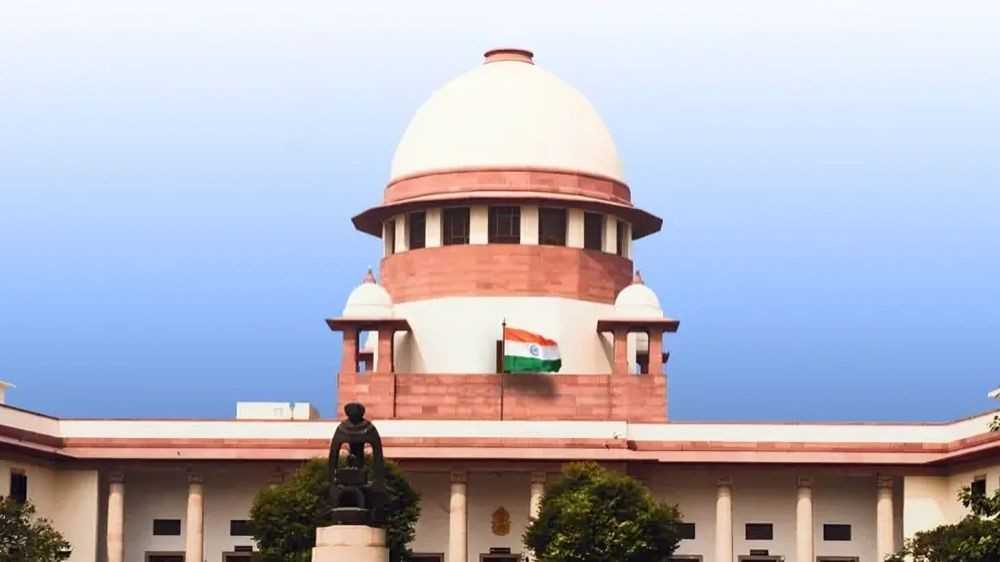
Delhi Police has strongly defended its actions during the July 20 student protest near Jantar Mantar, telling the Supreme Court that no excessive force was used and that the proposed march towards Parliament was an illegal act by an unlawful assembly. The police submitted its position through a counter-affidavit in response to petitions seeking judicial scrutiny of alleged police excesses.
Police Says Protest Turned Unlawful
According to the affidavit filed by Deputy Commissioner of Police Sachin Sharma, the demonstration initially remained manageable but escalated after sections of the crowd allegedly breached several layers of barricades and attempted to proceed towards Parliament.
The police maintained that permission had not been granted for the Parliament march. It therefore described the gathering as an unlawful assembly and the attempt to move towards Parliament as an illegal act.
The affidavit has been filed as a common response in four connected petitions that have raised allegations of excessive police action and sought a court-monitored investigation into the events surrounding the protest.
Over 30,000 Protesters, 5,000 Police Personnel
Delhi Police highlighted the scale of the gathering in its defence. It said more than 30,000 protesters were present around Jantar Mantar, with the crowd spread over nearly three kilometres.
Against such a large gathering, around 5,000 police personnel were deployed to maintain order, according to the affidavit. Police said the situation eventually became difficult to control, resulting in confrontations between protesters and security personnel.
The affidavit claimed that more than 240 police personnel and uniformed officers, along with around 200 members of the public and protesters, were injured during the confrontation.
Police argued that these circumstances demonstrated why force had to be used to restore order and prevent the crowd from moving towards Parliament.
Delhi Police Defends Use of Lathis
Responding to allegations that police used excessive force, the affidavit said officers followed a graded approach to crowd control.
Police maintained that lathis are permissible equipment and alleged that officers resorted to force only after protesters crossed barricades and some groups allegedly began attacking personnel.
The police also rejected allegations concerning the use of a lathi fitted with nails. According to the affidavit, videos showed only one such incident, but the object was allegedly in the hands of a protester rather than a police officer. Police further claimed that the object was a stick carrying the national flag rather than a police lathi.
Police Challenges Videos And Protest Evidence
The Delhi Police also questioned the evidence cited by petitioners alleging brutality.
According to its affidavit, several photographs, video clips, media reports and social media posts relied upon in the petitions were selective, incomplete or not independently verified.
Police argued that such material presented only one side of the confrontation and did not adequately show what officers were facing on the ground.
The force further alleged that some protesters attacked individual police officers, pulled away protective equipment and dragged personnel onto stone surfaces. It said such incidents contributed to the deterioration of the situation and necessitated stronger crowd-control measures.
Plainclothes Police Deployment Defended
The affidavit also addressed criticism over the presence of plainclothes police officers carrying lathis among protesters.
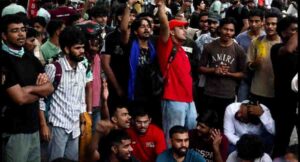
Delhi Police described these personnel as “spotters” and said officers from the Special Branch, Special Cell, Crime Branch and local police had strategically positioned themselves within the crowd because of the rapidly developing situation.
Police argued that deploying such personnel during large public gatherings was neither illegal nor unusual, claiming similar tactics are used during major national events, including Independence Day and Republic Day.
The force said these officers were deployed as part of its broader crowd-management strategy rather than as an attempt to unlawfully target peaceful demonstrators.
Criminal Records Among Protesters Cited
Delhi Police further told the Supreme Court that approximately 2,873 people involved in the protest had criminal cases registered against them.
The affidavit said the cases included serious offences such as murder, attempt to murder, dacoity, rape and offences under the Protection of Children from Sexual Offences Act.
Also Read: Champat Rai Gets Clean Chit In Ram Temple Donation Theft Case
According to the police, these individuals will be examined by a Special Investigation Team constituted by the Delhi Police Commissioner.
At the same time, the police stated that the question of whether its personnel used excessive force could be examined by a committee proposed to be constituted by the Supreme Court. The force said it would cooperate with any such inquiry.
Facial Recognition Use Also Defended
The police affidavit additionally defended the deployment of facial-recognition technology at the protest site.
It described the measure as proportionate policing and denied that the technology was being used for indiscriminate surveillance of peaceful protesters.
Police claimed that the system does not automatically create profiles of everyone present at the protest. According to the affidavit, the technology is primarily used to identify individuals with previous records of serious offences.
The police further said that facial-recognition results alone do not trigger action. Officers conduct field verification to establish whether an identified person was actually present at the protest before proceeding further.
Supreme Court To Examine Competing Claims
The Delhi Police’s affidavit comes amid a broader legal dispute over the handling of student protests connected with concerns surrounding examination irregularities.
Earlier proceedings have seen allegations that protesters were subjected to lathi-charge and tear gas, while police have consistently defended their response as necessary to maintain public order. The Delhi High Court had also directed preservation of CCTV footage, videography and other records connected with the July 20 protest while considering allegations of excessive force.
The latest affidavit places the police version directly before the Supreme Court. While protesters and petitioners have alleged disproportionate action, Delhi Police insists that its response was lawful, measured and triggered by the alleged breach of barricades and violence.
The controversy is therefore likely to remain under judicial scrutiny, with the competing claims over the conduct of protesters and police personnel requiring examination of available video footage, records and other evidence.
Click here to join our WhatsApp Channel for real-time news updates and exclusive coverage.