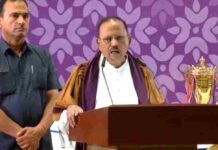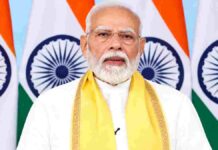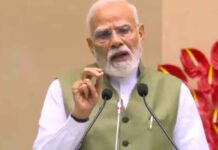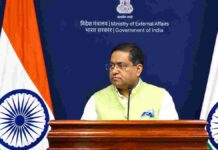
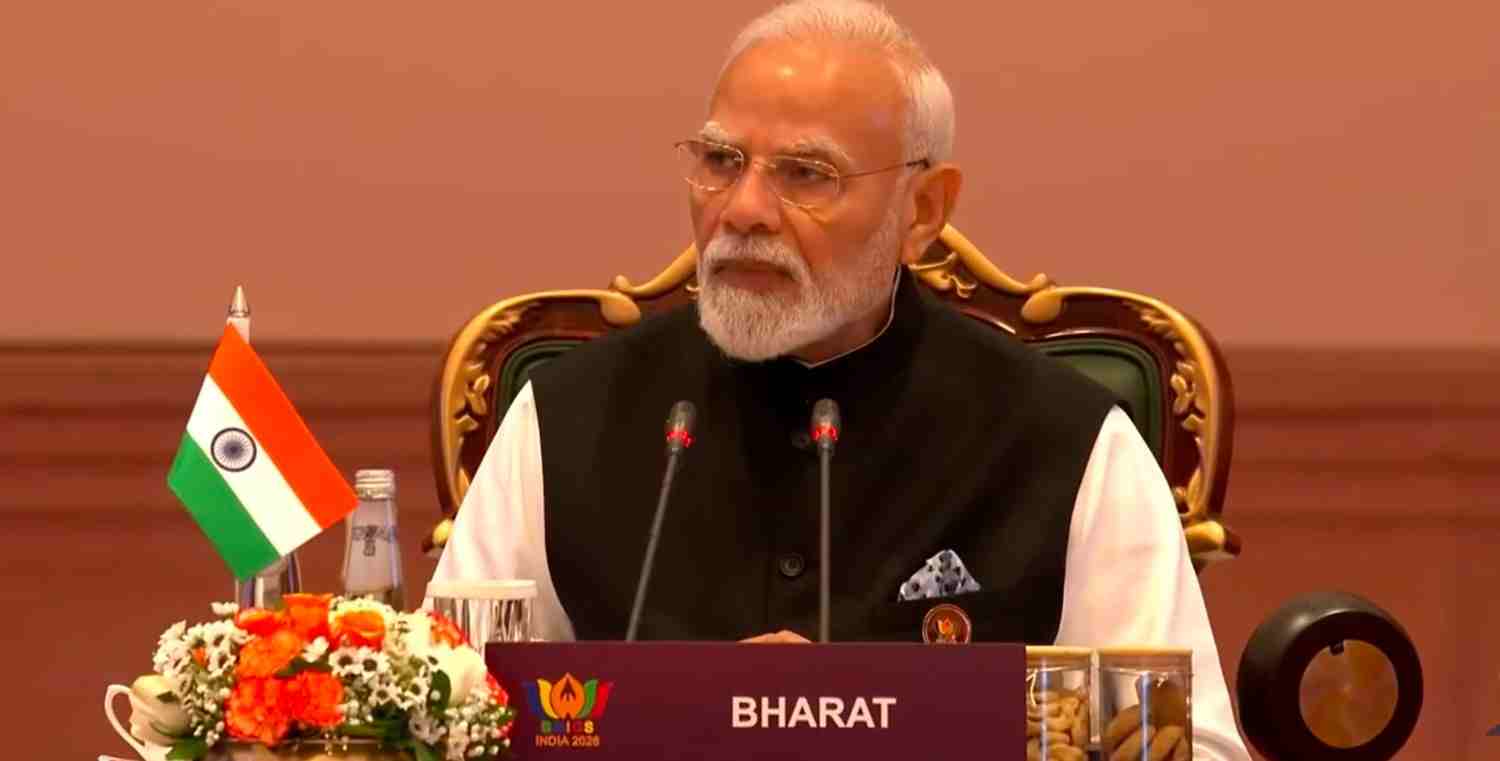
Prime Minister Narendra Modi has proposed a BRICS-wide Seafarers Emergency Support Network to strengthen assistance for sailors facing distress, medical emergencies and evacuation situations, while calling for a fundamental transformation in the way global governance works. Speaking at the 18th BRICS Summit in New Delhi, Modi said developing nations must move from being passive recipients of international rules to becoming active participants in shaping them.
Modi proposes emergency support network for seafarers
The proposed network would seek to connect maritime authorities and diplomatic missions across BRICS member countries, creating a coordinated mechanism for responding to emergencies involving seafarers.
According to Modi, the system could facilitate cooperation on distress alerts, medical assistance, communication with families and evacuation operations. The proposal comes at a time when conflicts and instability in several regions have disrupted shipping routes and raised concerns over the safety of maritime workers.
Modi stressed that global trade depends heavily on secure sea routes and the safety of the people working on them. His remarks also reflect India’s growing emphasis on protecting seafarers and keeping international commerce moving despite geopolitical tensions.
The issue has assumed greater importance amid disruptions affecting maritime trade in West Asia and the Black Sea. During his recent discussions with Iranian President Masoud Pezeshkian, Modi also highlighted the importance of freedom of navigation, maritime commerce and the safety and welfare of seafarers.
‘Pyramid of privilege’ needs to become a ‘platform of partnership’
Beyond maritime security, Modi used the BRICS platform to push for broader changes in global governance. He argued that the existing international system gives disproportionate influence to a limited group of countries while many developing nations remain affected by decisions in which they have insufficient participation.
Describing the structure as a “pyramid of privilege,” Modi called for a transformation into a “platform of partnership”, where countries have a meaningful voice and stake in global decision-making.
He argued that the Global South is increasingly important to the world economy but continues to have limited influence over the rules governing international institutions and emerging areas of technology.
The Prime Minister said artificial intelligence, cyberspace, outer space, biotechnology and other critical technologies are rapidly creating new economic opportunities while simultaneously determining the rules that will govern the future.
India’s position, he said, is that developing nations should not remain merely “rule-takers” but should become “rule-shapers.”
Modi calls for 10-point BRICS reform roadmap
To give the reform agenda a structured direction, Modi proposed that BRICS countries jointly develop 10 proposals for global governance reform and work towards creating a BRICS Reform Roadmap by the next summit.
The proposals, according to Modi, would focus on three broad pillars: representation, responsiveness and rule-making.
Representation would involve ensuring that international institutions better reflect contemporary global realities. Modi specifically reiterated India’s position that reform of the United Nations Security Council cannot be delayed indefinitely.
He suggested that negotiations on UN Security Council reform should be linked to a clear timeline and measurable outcomes, reinforcing India’s long-standing demand for greater representation of developing countries in global decision-making.
BRICS seeks stronger implementation mechanism
Modi also proposed a mechanism to improve continuity and implementation of decisions taken within BRICS.
Under the suggested system, the grouping’s Troika could monitor initiatives and their progress, while a secure digital repository could record each decision, the responsible nodal authority, implementation timelines and the current status of execution.
The proposal seeks to address one of the challenges faced by multilateral groupings: translating summit-level commitments into concrete action.
Also Read —“UNSC Reform Cannot Be Delayed”: PM Modi Pushes Global South To Shape World Order
By establishing clearer responsibility and tracking mechanisms, India wants BRICS initiatives to move beyond declarations and generate measurable outcomes.
Maritime security emerges as key economic concern
The seafarers’ proposal also fits into India’s wider push for resilient global supply chains. Maritime transport remains central to international trade, and disruptions to major shipping corridors can affect energy supplies, commodity flows and manufacturing networks across economies.
At the BRICS Business Forum, Modi had underlined the importance of secure sea lanes, open supply routes and the protection of seafarers. Reuters reported that the Prime Minister also raised maritime trade and seafarer safety during talks with Russian President Vladimir Putin, particularly in connection with the impact of conflicts on shipping.
For India, the issue carries particular significance because of its large maritime workforce and dependence on international shipping for trade and energy security.
Rishikesh-Karnprayag Rail Project Hits Major Milestone With 41st Tunnel Breakthrough
The proposed BRICS emergency network could therefore become a practical area of cooperation, bringing together maritime agencies and diplomatic missions to provide faster assistance when sailors encounter danger at sea.
India pushes BRICS towards practical cooperation
Modi’s proposals reflect India’s broader approach to its 2026 BRICS chairship, combining economic cooperation with reforms in global governance and practical mechanisms for implementation.
The seafarers’ network represents a relatively targeted initiative, while the proposed reform roadmap seeks to address much larger questions surrounding representation and decision-making in the international system.
Together, the proposals underline New Delhi’s argument that BRICS should increasingly serve as a platform for cooperation among emerging economies while giving the Global South a stronger role in shaping the rules governing global growth.
As conflicts, technological change and economic fragmentation continue to challenge the international system, Modi’s message at the summit was clear: the Global South should no longer remain at the bottom of the global governance pyramid, but should have a decisive role in building the international order of the future.
Click here to join our WhatsApp Channel for real-time news updates and exclusive coverage.