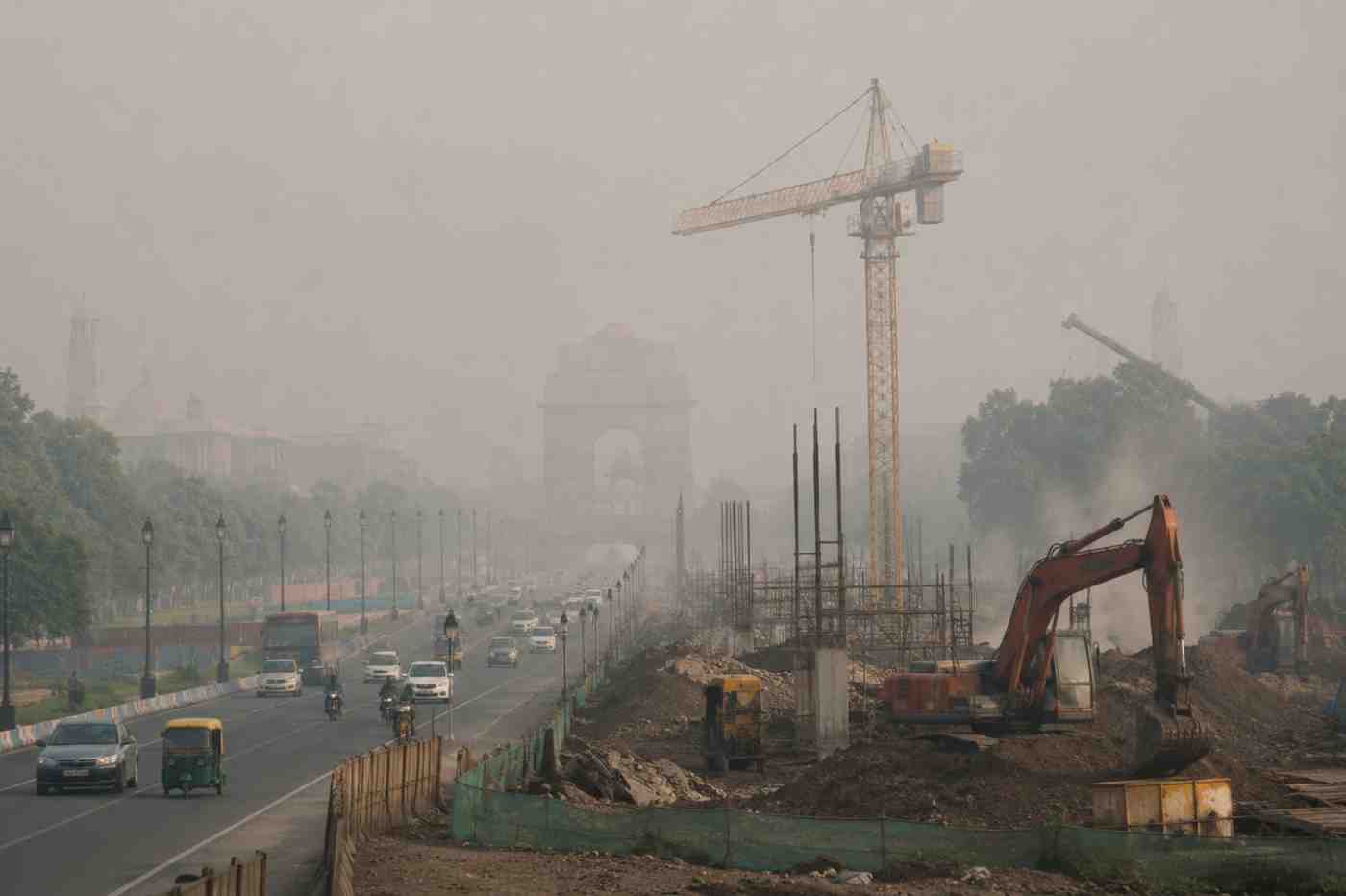
Delhi’s worsening air pollution has triggered the first stage of emergency restrictions across the National Capital Region (NCR), as the Commission for Air Quality Management (CAQM) invoked Stage I of the Graded Response Action Plan (GRAP) following a sharp deterioration in air quality. The move comes a day after Dussehra, raising fresh concerns about pollution levels as the national capital approaches the winter season.
Delhi’s Air Quality Index (AQI) climbed from 179, classified as ‘moderate’, on October 20 to 244, falling into the ‘poor’ category by 2 pm on October 21. Authorities have directed implementing agencies across the NCR to enforce the prescribed pollution-control measures immediately and intensify monitoring to prevent further deterioration.
The decision follows assessments of prevailing air quality conditions and weather forecasts issued by the India Meteorological Department (IMD) and the Indian Institute of Tropical Meteorology (IITM). Forecasts indicate that Delhi’s air quality could remain in the poor category over the coming days, making early intervention critical.
GRAP-1 Restrictions Take Effect Across Delhi-NCR
The CAQM has instructed all concerned agencies to implement, monitor and regularly review Stage I measures throughout the NCR. The primary objective is to control pollution at its sources, particularly road dust, construction activities, waste burning and emissions from vehicles and commercial establishments.
GRAP is a graded framework designed to respond to deteriorating air quality through progressively stricter measures. Stage I is activated when the AQI enters the poor category, ranging from 201 to 300. Subsequent stages introduce more stringent restrictions if pollution levels rise further.
The implementation of GRAP-1 signals the beginning of a more intensive pollution-control phase in Delhi and its neighbouring areas. Authorities have also urged citizens to follow the prescribed guidelines and cooperate with enforcement agencies.
Construction Dust and Waste Burning Under Scrutiny
Construction and demolition activities are among the key sources targeted under the first stage of GRAP. Authorities are required to ensure effective dust-control arrangements at construction sites, including measures to prevent dust from spreading into surrounding neighbourhoods and road networks.
Projects covering more than 500 square metres must have an approved dust-management plan, while construction sites are expected to comply with applicable environmental safeguards. Enforcement agencies are expected to intensify inspections and take action against violations.
Open burning of garbage, fallen leaves and other waste is prohibited under the restrictions. Burning waste releases particulate matter and other pollutants into the atmosphere, adding to the city’s existing pollution burden.
Authorities have also been directed to strengthen road-cleaning operations, manage dust from unpaved surfaces and ensure that construction materials are transported without creating additional pollution.
Restrictions on Coal, Firewood and Diesel Generators
GRAP-1 also introduces restrictions on the use of polluting fuels by commercial establishments. Hotels, restaurants, roadside eateries and open food outlets are prohibited from using coal or firewood in tandoors and other cooking arrangements covered by the applicable directions.
Establishments are expected to switch to cleaner alternatives, including electricity and gas, wherever required under the rules. The restrictions aim to reduce emissions from commercial cooking, particularly in densely populated areas where multiple pollution sources operate close together.
The use of diesel generator sets is also restricted, subject to exemptions for essential and emergency services under the applicable framework. Authorities are expected to ensure reliable electricity supplies wherever possible to discourage unnecessary dependence on diesel-powered backup systems.
Vehicles emitting visible smoke may face enforcement action, including fines or impounding where legally applicable. These measures are intended to discourage avoidable emissions and improve compliance with pollution-control standards.
Traffic Management and Public Cooperation
Vehicular emissions remain an important concern as pollution levels begin to rise. Under GRAP-1, traffic police and relevant agencies are expected to improve traffic movement at congestion-prone intersections and prevent unnecessary vehicle idling.
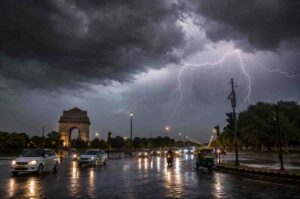
Motorists are being encouraged to switch off their engines while waiting at red lights, avoid unnecessary trips and consider public transport, carpooling or cleaner vehicles wherever practical.
The existing restrictions on diesel vehicles older than 10 years and petrol vehicles older than 15 years in Delhi also remain relevant, subject to applicable legal orders and enforcement requirements.
Authorities have further been directed to strengthen compliance checks on polluting industries and thermal power plants within the prescribed 300-kilometre area around Delhi, in accordance with the applicable pollution-control framework.
Residents can report pollution-related complaints through the Green Delhi App, the SAMEER App or the designated civic complaint helpline at 311.
Delhi Government Prepares Winter Pollution Action Plan
The enforcement of GRAP-1 comes shortly after the Delhi government announced a broader winter action plan to tackle seasonal air pollution. The plan is scheduled to remain in force from November 1, 2026, to February 28, 2027.
Also Read | India-US Trade Deal Near Breakthrough: Trump Signals ‘Different’ Pact As Rubio Visits India
According to the announcement by Delhi Chief Minister Rekha Gupta, the proposed measures include tighter monitoring of construction sites, artificial intelligence-based surveillance, restrictions related to construction and demolition, and arrangements involving work-from-home provisions and staggered office timings.
The plan also emphasises cleaner mobility through electric buses, improved Metro connectivity, last-mile transport services and carpooling. These measures are intended to reduce dependence on private vehicles and limit emissions during the months when atmospheric conditions can make pollution management more challenging.
The GRAP-1 restrictions and the upcoming winter action plan form part of the broader effort to prevent air quality from deteriorating further during the winter pollution season.
Delhi Weather and Air Quality Outlook
Delhi recorded a minimum temperature of around 18 degrees Celsius on Wednesday, while the air quality remained in the poor category. An AQI reading of 233 was reported at 9 am, according to the available report, before the level rose further during the day.
Safdarjung, the capital’s principal weather station, recorded the minimum temperature, while the IMD forecast a maximum temperature of approximately 31 degrees Celsius.
The deterioration in air quality has renewed concerns about the health risks associated with prolonged exposure to polluted air. Children, older adults and people with existing heart or respiratory conditions are particularly vulnerable when pollution levels rise.
An AQI between 201 and 300 is classified as poor, while readings between 301 and 400 fall into the very poor category. A reading between 401 and 500 is considered severe.
With forecasts indicating that Delhi’s air quality may remain poor over the next few days, the effectiveness of GRAP-1 will depend on timely enforcement, coordination between agencies and public participation.
The immediate priority is to contain pollution before it escalates into a more serious public-health concern. Residents, businesses and government departments will all have a role to play in limiting emissions and preventing the capital’s air quality from deteriorating further.
Click here to join our WhatsApp Channel for real-time news updates and exclusive coverage.