Unified Payments Interface (UPI) charges on select merchant transactions have been postponed until after Diwali, offering significant relief to businesses and retailers ahead of the festive shopping season. The National Payments Corporation of India (NPCI) has deferred the proposed fee structure, originally scheduled to take effect on October 15, giving merchants and payment service providers additional time to prepare for the changes.
The UPI and Services Steering Committee took the decision in view of the festive season. NPCI said the revised implementation date would be notified separately. The postponement comes as retailers, traders and consumers prepare for increased spending on electronics, clothing, jewellery, vehicles and other goods ahead of Diwali.
The decision is expected to ease immediate concerns about the timing of the new payment framework, particularly among businesses that depend heavily on digital transactions for daily sales.
Why NPCI Delayed the UPI Charges
The proposed Merchant Discount Rate (MDR) had raised concerns among traders because its introduction was scheduled to coincide with the peak festive shopping period. Businesses typically experience higher transaction volumes during this time, making payment processing costs an important consideration.
The original October 15 deadline would have introduced the new framework just as festive purchases began gathering momentum. By moving the implementation beyond Diwali, NPCI has sought to avoid introducing additional operational changes during a particularly busy period for merchants.
The postponement does not mean that the proposed charges have been scrapped. Instead, the revised framework is expected to take effect after the festival, with the exact date to be announced separately.
What Are the Proposed UPI Merchant Charges?
Under the announced framework, a Merchant Discount Rate of 0.4% would apply to eligible person-to-merchant UPI transactions exceeding ₹2,000, subject to the applicable rules and transaction categories.
For example, a qualifying merchant transaction worth ₹10,000 would attract a processing charge of ₹40 under the standard 0.4% rate. The framework also provides a cap of ₹300 for transactions worth ₹75,000 or more.
Certain categories, including specified essential services, are subject to different fee arrangements. The applicable rate depends on the type of merchant and the nature of the transaction.
MDR is a payment-processing charge within the digital payments ecosystem. It is intended to support the institutions and service providers involved in processing transactions, rather than functioning as a general tax on digital payments.
The proposed framework represents a change in the economics of UPI payments, which have played a major role in expanding India’s digital payment ecosystem through low-cost and convenient transfers.
Will Customers Have to Pay More for UPI Transactions?
The postponement has brought immediate relief, but questions remain about how the new framework will affect customers once it comes into force.

Under the announced rules, person-to-person UPI transfers between individuals will continue to remain free, regardless of the amount transferred. Merchant payments up to ₹2,000 are also exempt from MDR, while qualifying small merchants covered by the zero-MDR framework will continue to receive protection.
The government has said that the revised structure is designed to keep ordinary digital payments accessible while introducing charges for specified higher-value merchant transactions.
Importantly, MDR is intended to be borne by merchants rather than directly charged to customers. The rules also prohibit payment application providers from imposing transaction or platform fees on customers under the framework.
However, consumers may still want to check payment receipts and merchant policies as the revised system is implemented. The practical impact will depend on compliance with the rules and the arrangements adopted by businesses and payment providers.
Small Businesses and Retailers Remain in Focus
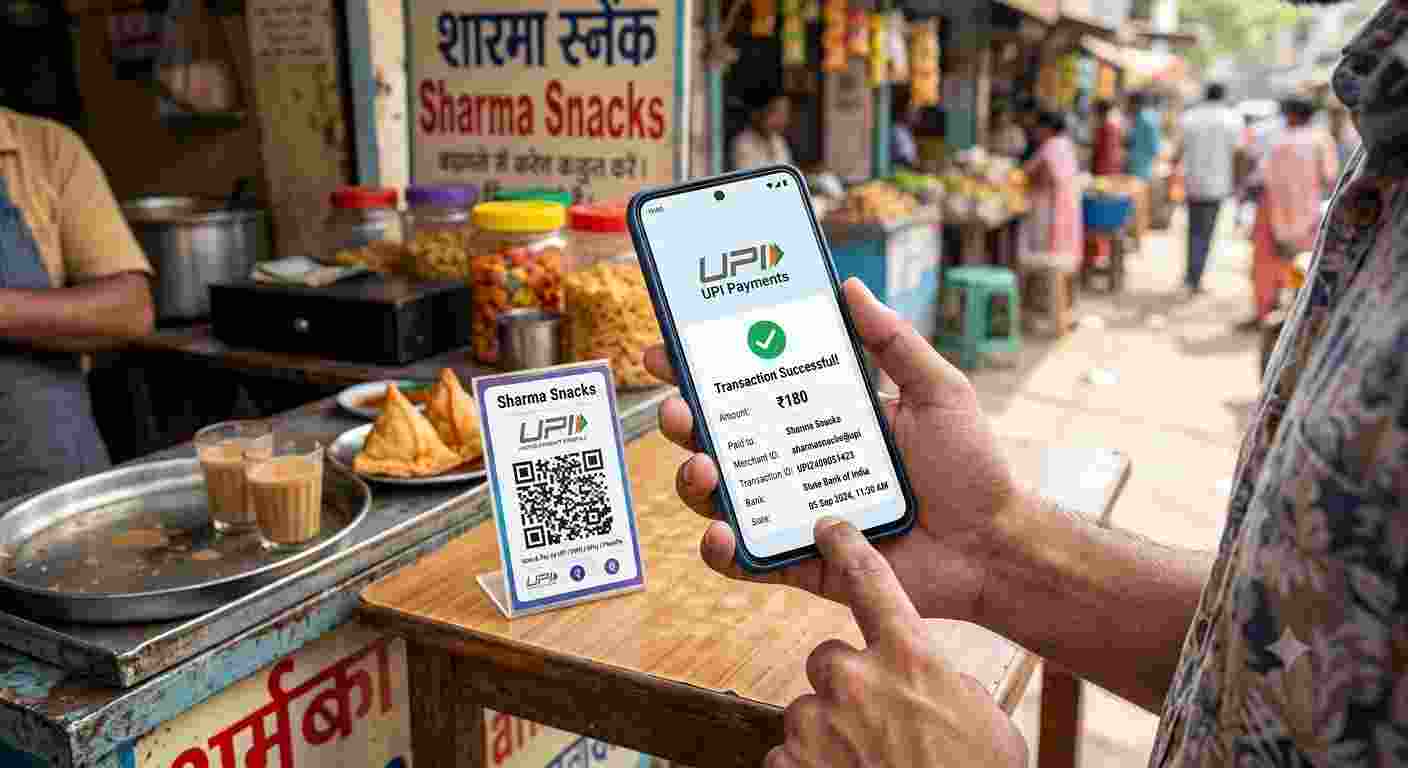
Small businesses, neighbourhood shops and street vendors have been central to India’s UPI expansion. Digital payments allow these businesses to accept money quickly without relying entirely on cash or investing in expensive payment infrastructure.
The framework retains exemptions for qualifying small merchants receiving up to ₹1 lakh per month through UPI QR codes under the applicable small-merchant category. These protections are intended to prevent additional processing costs from discouraging smaller businesses from accepting digital payments.
For larger retailers, however, the proposed MDR may introduce a new cost consideration for eligible high-value transactions. The delay gives merchants and payment companies more time to update their systems, review payment arrangements and prepare for the eventual rollout.
UPI’s Growing Importance in India’s Digital Economy
UPI has become one of India’s most widely used digital payment systems, enabling payments ranging from small purchases at local shops to high-value transactions at major retailers. Its widespread adoption has transformed how consumers and businesses exchange money.
The growing scale of transactions also creates continuing requirements for payment infrastructure, cybersecurity, technology upgrades and reliable banking connectivity. The proposed MDR framework is intended to help support the payment ecosystem while preserving free access for individuals and protecting specified categories of small merchants.
Also Read | Indian Railways Freight Loading Surges 6.14% As Food Grain Transport Jumps 25%
The challenge for policymakers and industry participants is to balance the financial sustainability of digital payment infrastructure with affordability for consumers and businesses.
What Happens Next?
The next key development will be NPCI’s announcement of the revised implementation date. Until then, the proposed charges remain deferred rather than cancelled.
Merchants, banks, fintech companies and payment aggregators will need to monitor official communications and prepare for the revised schedule. Customers should also distinguish between eligible merchant payments and ordinary person-to-person transfers, which remain free under the announced framework.
For now, the postponement provides temporary relief during the festive season. The longer-term impact will depend on how the new charges are implemented, how merchants comply with the rules and whether India’s digital payment ecosystem can continue to expand without placing undue pressure on consumers or smaller businesses.
Click here to join our WhatsApp Channel for real-time news updates and exclusive coverage.