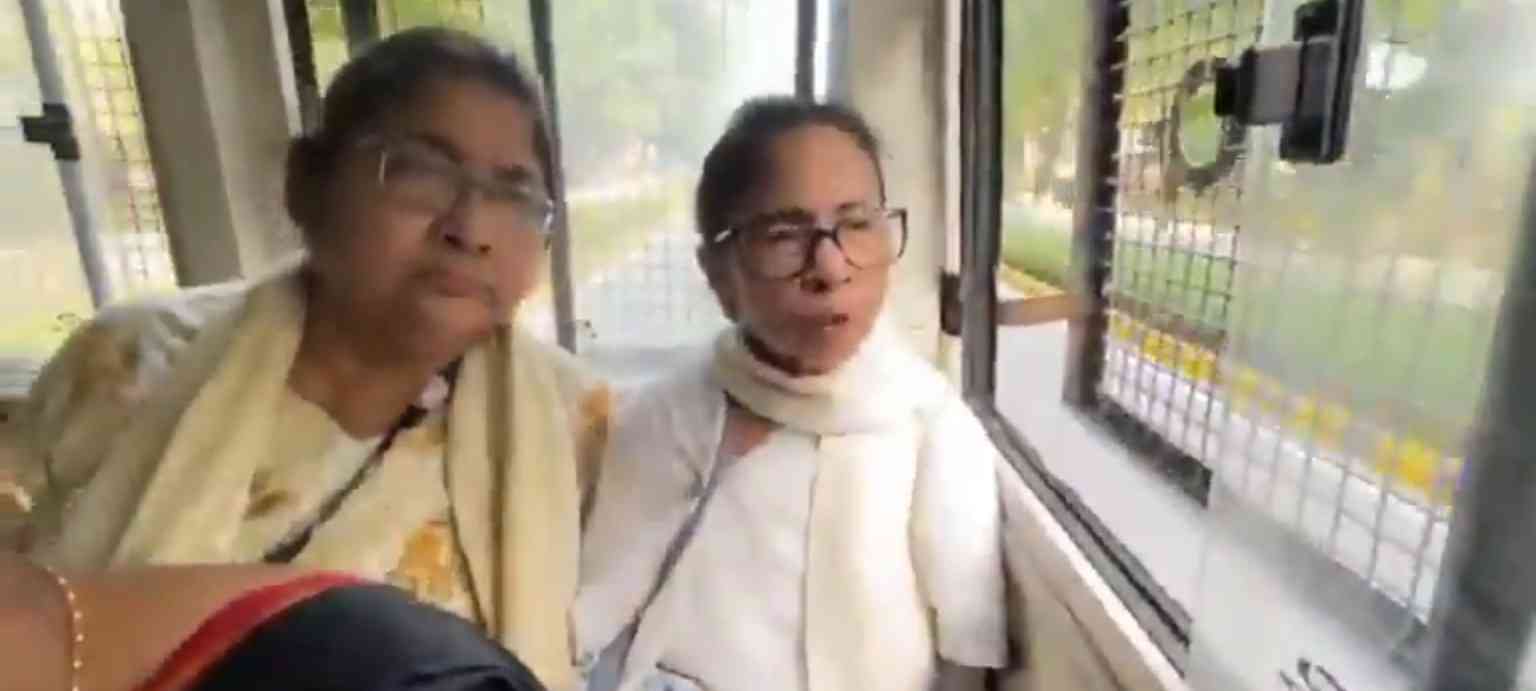
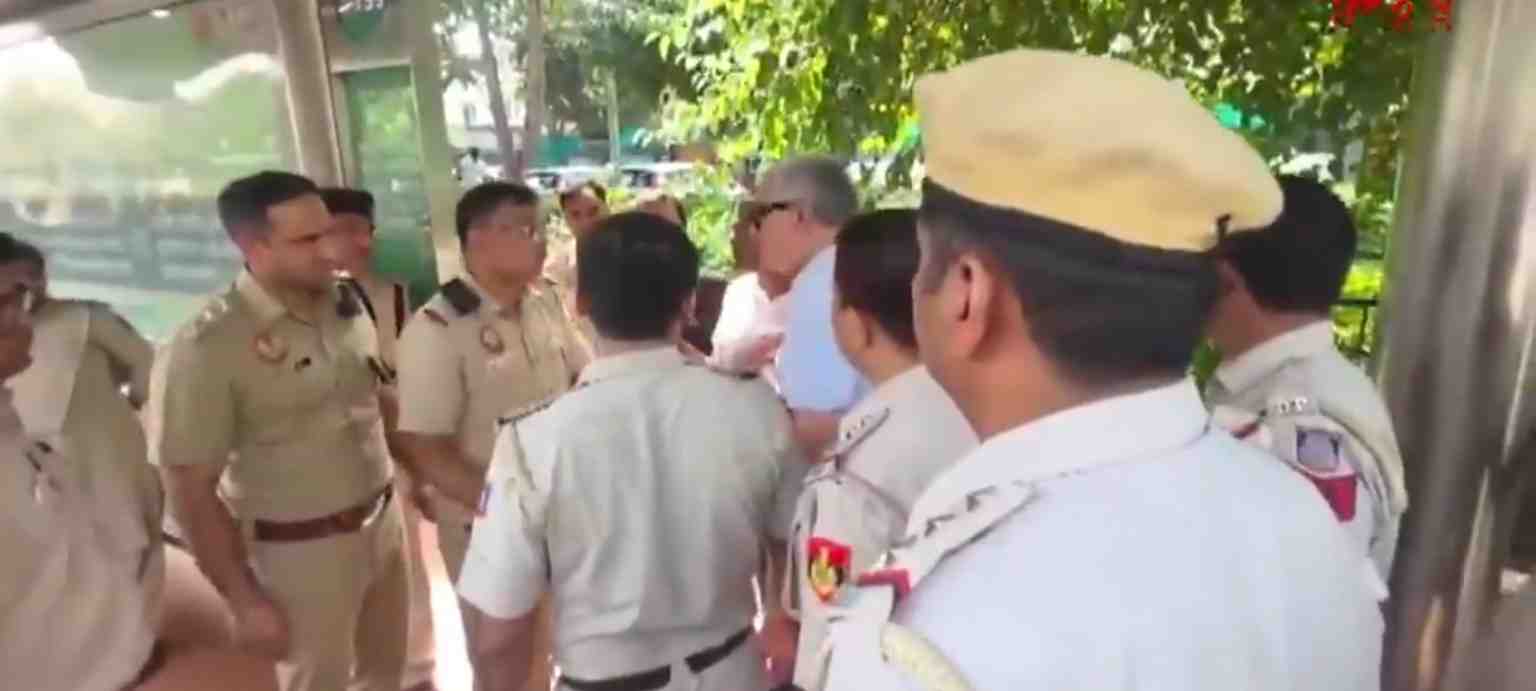
The CJP protest in Delhi intensified as reports emerged that Mamata Banerjee and All India Students’ Association (AISA) member Neha Bora had been detained during police action. With Ajinkya Shinde expected to take charge of the agitation, the latest developments have heightened political tensions and renewed debate over the movement’s demands and the authorities’ response.
The demonstration, centred on the movement referred to as CJP, has drawn attention to questions surrounding the Election Commission of India (ECI), the Special Intensive Revision (SIR) of electoral rolls, and calls for accountability from Chief Election Commissioner Gyanesh Kumar. The developments have also fuelled discussions about the right to peaceful protest and the authorities’ response to political demonstrations.
Police Action Raises Tensions Around the CJP Protest
The reported detentions marked a significant development in the protest, which has attracted activists, political supporters and other participants. Police action against demonstrators has brought renewed focus to the administration’s handling of the gathering in the national capital.
The detention of individuals associated with the movement could further intensify reactions among supporters, particularly those who view the demonstration as an important platform for raising concerns about electoral processes and institutional accountability.
However, the precise circumstances surrounding each detention, including the legal grounds cited by police and whether those detained were subsequently released, require confirmation from official statements or reliable on-the-ground reporting.
Ajinkya Shinde to Lead the Continuing Agitation
With Ajinkya Shinde expected to take a leading role in the next phase of the protest, attention has shifted towards the movement’s future strategy. His leadership comes at a time when police action and the reported detention of prominent participants have increased the pressure on organisers to decide how the agitation should proceed.
The change in leadership may influence the protest’s coordination, public messaging and efforts to mobilise supporters. Organisers will also need to determine how to sustain participation while responding to restrictions imposed by the authorities.
The coming developments are likely to depend on the organisers’ next announcements, the police response and whether the protest continues at its existing location or moves to another venue.
Electoral Roll Revision Remains a Central Issue
The Special Intensive Revision of electoral rolls has emerged as one of the major issues associated with the wider political debate. Such revisions are intended to verify electoral records, but their implementation can generate controversy when political parties or citizens raise concerns about the inclusion or exclusion of eligible voters.
The dispute surrounding the ECI and SIR has prompted calls for transparency, clear communication and safeguards to ensure that eligible citizens are not unfairly excluded from electoral rolls.
For any electoral revision exercise, public confidence depends on accessible procedures, effective grievance redressal and the ability of affected individuals to challenge errors. Political disagreements over the process also underline the importance of distinguishing documented administrative shortcomings from allegations that require independent verification.
Calls for Accountability and Institutional Transparency
The protest has also brought attention to demands involving Chief Election Commissioner Gyanesh Kumar. Calls for accountability within constitutional institutions can become politically contentious, particularly when questions about election administration overlap with wider disputes between political groups.
Also Read | CJP Protest Crackdown: Abhijeet Dipke, Saurav Das Detained Immediately After Landing In Delhi
Any demand for resignation or other institutional action must be assessed against the relevant constitutional framework, legal procedures and available evidence. Public demonstrations can provide a platform for citizens and organisations to communicate their positions, while the institutions concerned remain responsible for responding through established mechanisms.
The broader debate highlights the need for transparent decision-making and credible channels through which electoral grievances can be addressed.
Right to Protest and Public Order
The reported police crackdown has renewed the discussion over balancing public order with the constitutional right to peaceful assembly. Authorities may impose lawful and proportionate restrictions to manage security, traffic and public safety, but any detention must be supported by the applicable legal provisions and procedures.
For demonstrators, maintaining a peaceful approach and complying with lawful directions can help prevent confrontations. For the administration, clear explanations of police action and timely information about detained individuals are important for public accountability.
The handling of the protest may therefore have implications beyond the immediate gathering, particularly for public perceptions of how political dissent is managed in the capital.
What Happens Next?
The next phase of the CJP agitation will depend on Ajinkya Shinde’s leadership, the response of protest organisers and the authorities’ subsequent decisions. Further verified information about the reported detentions, any legal proceedings and the movement’s future programme will be important to understanding how the situation develops.
For now, the episode has placed the protest, electoral-roll revision and questions of institutional accountability back in the spotlight. The developments underline the significance of transparent electoral processes, lawful policing and the protection of peaceful democratic expression.
Click here to join our WhatsApp Channel for real-time news updates and exclusive coverage.