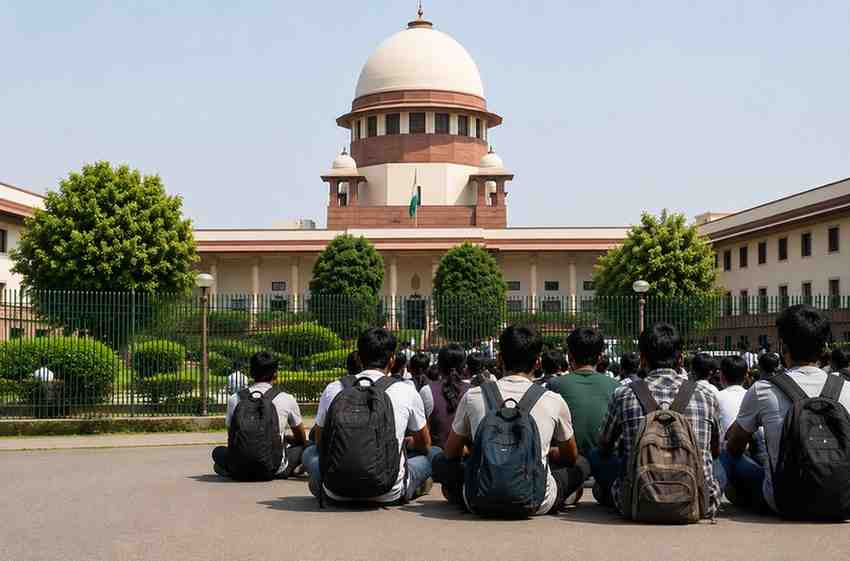
The Supreme Court of India has raised concerns over the proposed closure of entry and exit gates at 57 Delhi Metro stations ahead of a planned protest by the Cockroach Janta Party (CJP) and associated groups at Jantar Mantar. The court questioned whether such extensive restrictions were proportionate to the anticipated security threat, drawing attention to the difficulties that ordinary passengers could face.
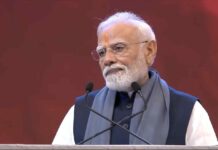
During the proceedings, Chief Justice of India Surya Kant emphasised that authorities must consider the consequences of widespread transport restrictions for people who depend on public transportation. His observations highlighted a fundamental concern: security arrangements intended to prevent disruption should not unnecessarily inconvenience millions of people who have no connection with the demonstration.
The controversy has intensified ahead of Saturday’s planned protest, with the Delhi Metro Rail Corporation (DMRC) announcing restrictions at dozens of stations following a request from Delhi Police. The proposed measures have prompted questions about how the administration can maintain public order without significantly affecting daily mobility across the national capital.
Supreme Court Questions Proportionality of Metro Restrictions
The Supreme Court’s intervention brought the potential impact of the proposed closures into focus. The Chief Justice expressed concern about the hardship that could result when commuters lose access to major Metro stations, particularly in a city where public transportation is essential for daily travel.
The court’s observations underscored the importance of proportionality in security decisions. Although the authorities have a responsibility to anticipate risks and prevent disorder, restrictions affecting a substantial part of the Metro network also require careful consideration of their wider consequences.
Delhi Metro is a crucial transport lifeline for office workers, students, daily wage earners, patients and visitors. Many passengers rely on interchanges to travel between residential areas and commercial or institutional centres. Closing access to multiple stations could force them to find alternative routes, increase journey times and create additional pressure on other transport services.
Also Read | ‘Deeply Offensive’: India Slams JD Vance Over H-1B Visa Remarks, Defends Indian Professionals
The court’s concerns therefore extend beyond the immediate protest location. They raise a broader question about whether security objectives can be achieved through targeted arrangements rather than extensive restrictions affecting large numbers of uninvolved citizens.
Why DMRC Announced the Closure of 57 Stations
The proposed restrictions followed a request from Delhi Police, which cited security concerns surrounding the planned CJP demonstration. Police officials reportedly expressed apprehension about large crowds moving towards sensitive locations in central Delhi and the possibility of disruption.
Following the request, DMRC announced that entry and exit gates at 57 identified stations would be closed from 9 pm on Friday, October 9, and remain restricted on Saturday, October 10, until further notice.
The measures were intended to support security management during the protest. However, the scale of the restrictions raised concerns because several affected stations serve as important interchange points and provide access to busy commercial, residential and administrative areas.
The restrictions do not necessarily mean that train services across the entire Metro network will stop. DMRC’s announcement indicated that interchange facilities would remain available at affected stations, except at New Delhi Metro station. Passengers should nevertheless verify the latest official information before travelling because operational arrangements may change.
The Supreme Court’s observations have brought renewed attention to whether the arrangements adequately account for the needs of ordinary commuters while addressing the police’s security concerns.
The Supreme Court criticised the proposed closure of 57 Delhi Metro stations ahead of the October 10 CJP protest, questioning whether such extensive restrictions were necessary. Chief Justice Surya Kant highlighted the hardship for ordinary commuters, stressing that security measures must be proportionate and should not unnecessarily disrupt public transport across the national capital.
Click here to join our WhatsApp Channel for real-time news updates and exclusive coverage.