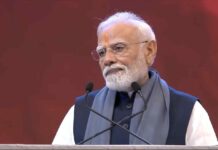
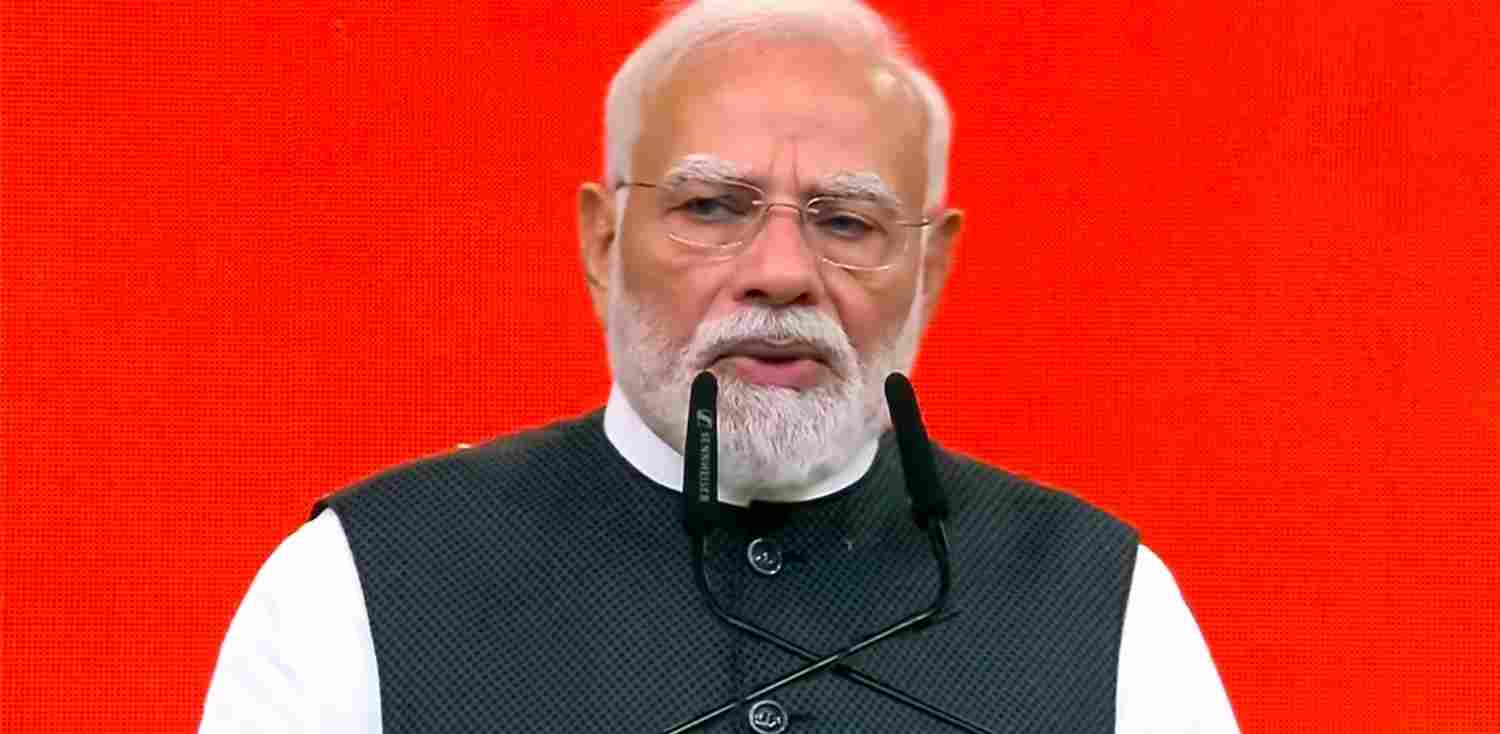
Prime Minister Narendra Modi on Wednesday marked 25 years as the head of a government, reflecting on a journey that began with his appointment as Gujarat Chief Minister on October 7, 2001, and turning the milestone into a renewed call for India’s transformation by 2047. Addressing the Viksit Bharat Sankalp Sabha at Delhi’s Indira Gandhi Indoor Stadium, Modi emphasised gratitude, public trust and an ambitious national vision, repeatedly invoking the message: “We will do it.”
Rather than presenting the occasion as a personal achievement, Modi described the 25-year journey as the result of the blessings, support and participation of the people. He said the real measure of the journey should be where India stands today and where the country is headed in the years ahead.
From Gujarat to the Prime Minister’s Office
Modi recalled that when he took oath as Gujarat Chief Minister in 2001, he had not imagined that he would eventually complete 25 continuous years at the head of a government. He said the milestone became possible because of the people’s constant support.
His political journey includes more than 12 years as Gujarat Chief Minister followed by more than 12 years as Prime Minister. He has won three consecutive Lok Sabha elections and continues to lead the Union government.
Modi said his early political life was shaped more by organisational work and service than by personal electoral ambitions. He portrayed his journey as one driven by a mission rather than a desire for personal advancement.
‘We Will Do It’ Becomes the New Viksit Bharat Mantra
The central message of the speech was a confident national call to achieve India’s development goals.
Modi linked the phrase “We will do it” with several long-term ambitions: achieving Viksit Bharat by 2047, building a self-reliant India, becoming a global manufacturing hub, hosting the Olympics and expanding India’s achievements in space.
He stressed that these objectives would require visionary policymaking, sustained effort and the collective strength of India’s citizens. With more than 140 crore people, Modi argued that the country possesses enormous human potential to overcome challenges and realise its ambitions.
From Poverty Reduction to a New Economic Ambition
The Prime Minister pointed to India’s transformation over the past decade as evidence that seemingly difficult targets can be achieved.
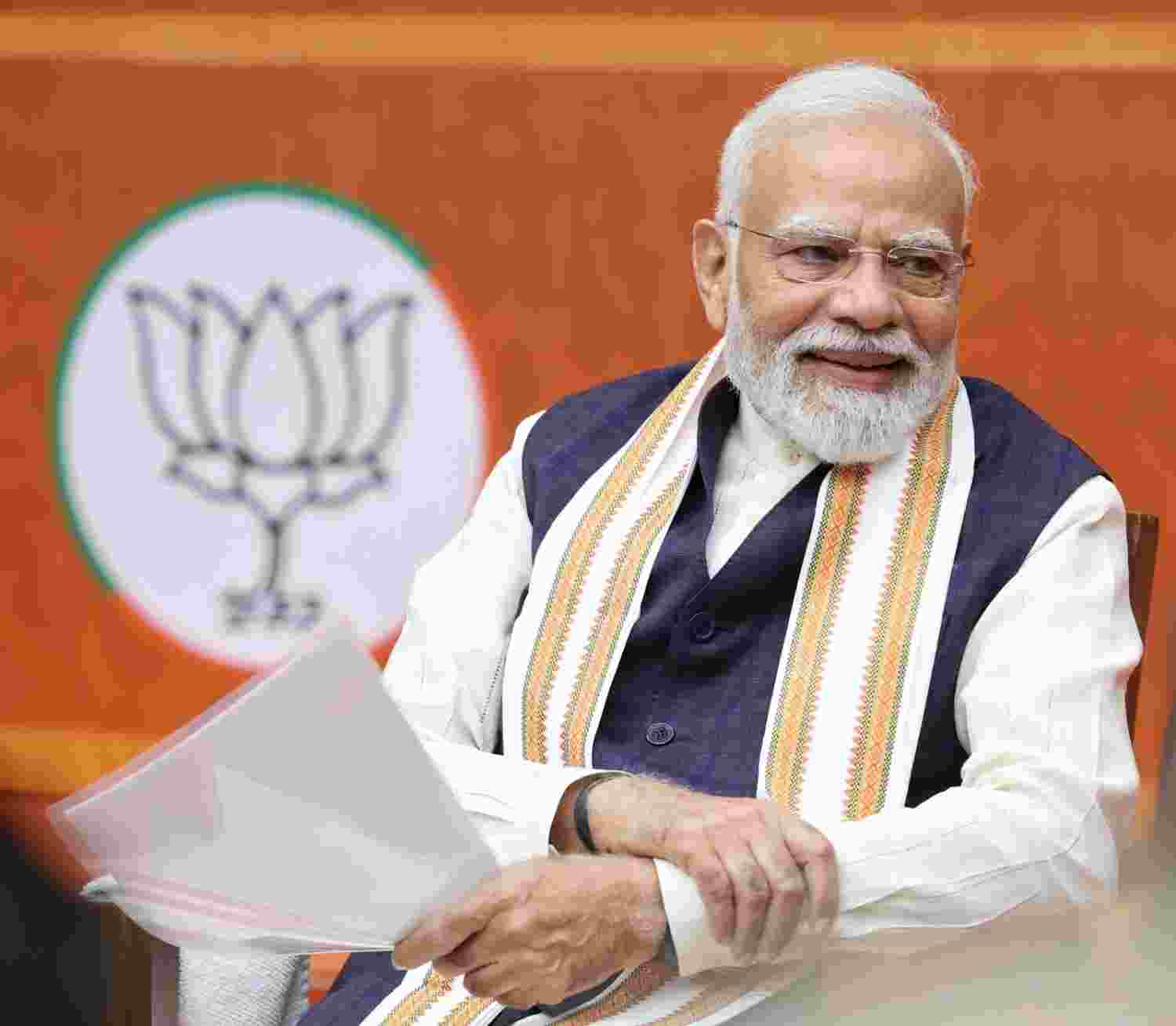
He cited the movement of 25 crore people out of poverty within a decade as an example of what India has been able to accomplish, saying such achievements strengthen his confidence in the country’s future.
Modi also projected ambitions for India to become one of the world’s top three economies and emerge as a major manufacturing centre. He connected this vision with the broader goal of making India more self-reliant and globally competitive.
Bhuj Earthquake, Chandrayaan and Covid as Lessons
Looking back, Modi identified several defining events that shaped his approach to governance.
The 2001 Bhuj earthquake, which struck soon after he became Gujarat Chief Minister, taught him the importance of remaining steadfast during reconstruction. The Chandrayaan mission, he said, demonstrated the importance of rising after failure. The Covid-19 pandemic highlighted the strength of collective national consciousness.
Also Read | 25 Years of Narendra Modi: Remarkable Journey From Jan Nayak To Rashtra Nayak
He also acknowledged the role of the media, saying that both favourable and difficult experiences had contributed to his determination to continue moving forward.
‘I Still Consider Myself a Student’
A recurring theme in Modi’s speech was learning. He said that those who supported him taught him humility, while those who opposed him helped him understand democracy and encouraged introspection. He described himself as someone who continues to learn from every experience.
This approach, he suggested, has helped him deal with setbacks while remaining focused on public service.
India’s Global Rise at the Centre of the Vision
Modi also highlighted India’s growing global profile and future technological ambitions.
Referring to the recent attention surrounding an Indian pilot, he said that a time would come when the world would also talk about aircraft manufactured in India. The remark formed part of his larger emphasis on domestic manufacturing, technological capability and self-reliance.
The Prime Minister presented India’s development journey as an ongoing transformation rather than a completed achievement, urging citizens to maintain momentum instead of becoming complacent.
A 25-Year Milestone Turned Into a Future Pledge
Modi’s 25-year milestone speech combined personal reflection with a forward-looking political and developmental message. He repeatedly shifted attention away from his own tenure and towards India’s future, describing public trust as the foundation of his journey.
His concluding vision was ambitious: a developed India by 2047, a stronger manufacturing ecosystem, greater economic strength, achievements in space and the possibility of hosting the Olympics.
The overarching message was one of confidence and collective responsibility: India’s next chapter, Modi suggested, will depend on the willingness of its 140 crore citizens to set ambitious goals and work relentlessly to achieve them. “We will do it” therefore emerged not merely as a slogan from the speech, but as the central expression of his renewed Viksit Bharat call.
Click here to join our WhatsApp Channel for real-time news updates and exclusive coverage.