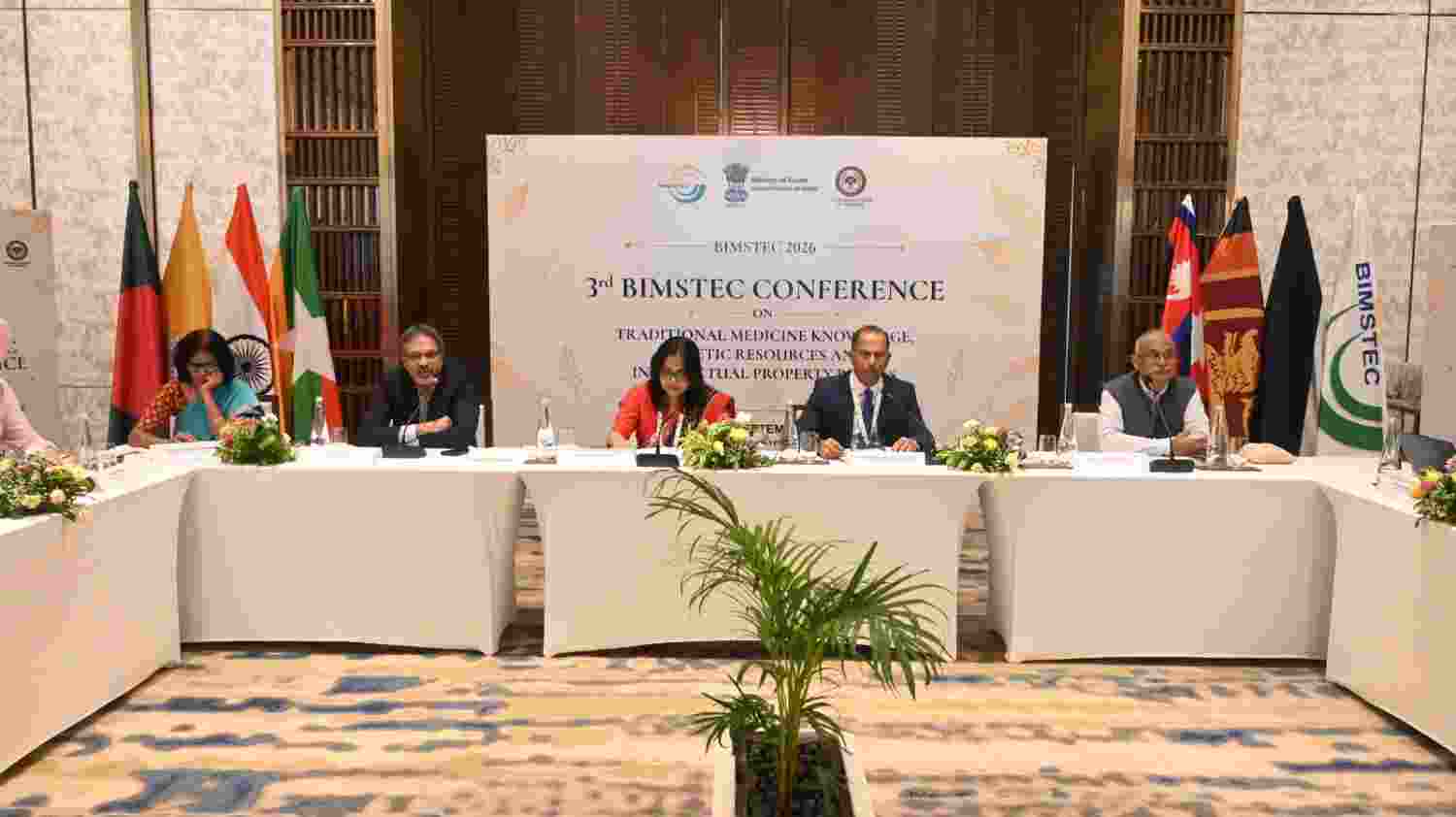
The Third BIMSTEC Conference on Traditional Medicine Knowledge, Genetic Resources and Intellectual Property Rights concluded in Goa on September 17, marking a significant step towards strengthening regional cooperation among the seven member states of the Bay of Bengal Initiative for Multi-Sectoral Technical and Economic Cooperation (BIMSTEC).
The two-day conference, held alongside the Second BIMSTEC Nodal Group Meeting, brought together representatives, experts and officials from all seven BIMSTEC countries to discuss traditional medicine knowledge, genetic resources and intellectual property rights. The deliberations focused on developing practical mechanisms to protect traditional knowledge while promoting cooperation, capacity building and responsible use of genetic resources.
The conference concluded with consensus on several key areas, described by participants as an important foundation for future regional collaboration in traditional medicine.
AIIA Goa Visit Highlights Traditional Medicine Infrastructure
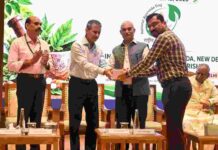
The second day of the conference included a visit by the participating delegates to the All India Institute of Ayurveda (AIIA), Goa. The visit provided an opportunity for representatives from BIMSTEC member states to observe the institute’s facilities and gain insights into its work in tertiary healthcare and academic activities.
The delegates exchanged views on institutional practices and approaches related to traditional medicine education, healthcare and research. The interaction also provided a platform for participating countries to share experiences and identify areas where institutional cooperation could be strengthened.
A plantation programme was also organised during the visit. The initiative highlighted the connection between traditional medicine, medicinal resources and biodiversity conservation, while symbolising the collective commitment of BIMSTEC countries to preserving natural resources associated with traditional healthcare systems.
Four Key Areas of Regional Cooperation Identified
A major outcome of the conference was the agreement reached by the BIMSTEC Nodal Group on four broad areas of cooperation.
These include institutional and policy cooperation; standards and trade; documentation and capacity building; and implementation mechanisms.
The discussions recognised the importance of establishing stronger institutional links and policy coordination among BIMSTEC member states. Cooperation on standards and trade was also identified as an important area for facilitating the responsible development and wider exchange of traditional medicine products and practices.
Documentation and capacity building emerged as another key priority, particularly in the context of preserving traditional medicine knowledge and strengthening expertise across the region. The fourth area, implementation mechanisms, is aimed at translating agreed principles and areas of cooperation into practical actions.
BIMSTEC Members Back Cooperation on Traditional Knowledge
All seven BIMSTEC member states unanimously agreed to support one another in areas concerning intellectual property, genetic resources and traditional medicine knowledge.
The agreement is intended to provide a stronger regional framework for addressing issues associated with traditional knowledge and biological resources. It also reflects the importance of ensuring that traditional medicine heritage is documented, protected and appropriately recognised while encouraging cooperation among participating countries.
Also Read — Pralhad Joshi Unveils 6-Month NIOS Bridge Course, Major Boost For B.Ed Teachers
Traditional medicine systems across the BIMSTEC region have developed through generations of accumulated knowledge involving medicinal plants, therapeutic practices and healthcare traditions. The conference provided an institutional platform for countries to discuss common challenges and explore opportunities for coordinated action.
Goa Conclusions Set Foundation for Future Cooperation
Prof. Vaidya P.K. Prajapati, Director of AIIA, said the conference was significant because the discussions progressed beyond deliberations towards consensus on several important issues.
He highlighted the “Goa Conclusions” as providing a foundation for continued BIMSTEC cooperation in traditional medicine, intellectual property rights and genetic resources. The conclusions are expected to support further discussions and coordinated efforts among member states in the identified areas.
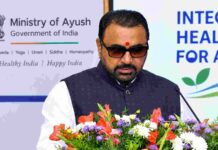
Smt. Monalisa Dash, Joint Secretary, Ministry of Ayush, appreciated the active participation and constructive engagement of representatives from all BIMSTEC member countries. The Ministry of Ayush played a key role in facilitating the conference in coordination with AIIA Goa and the BIMSTEC Secretariat.
Focus on Preserving Traditional Medicine Heritage
Mr. Kadirkamu Kandasamy Yoganaadan, Director, Science, Technology & Innovation and Health and Human Resource Development Division at the BIMSTEC Secretariat, appreciated the Ministry of Ayush and AIIA Goa for organising and coordinating the conference.
He also acknowledged the hospitality extended to the participating delegates. He underlined the broader objective of regional cooperation, noting that such efforts ultimately seek to contribute to people’s well-being while preserving traditional medicine heritage for future generations.
The emphasis on heritage preservation is particularly relevant as traditional medicine knowledge faces challenges related to documentation, intellectual property protection and the sustainable management of genetic resources.
Conference Concludes with Call for Continued Collaboration
The conference concluded with a vote of thanks delivered by Prof. Dr. Sujata Kadam, Dean, AIIA Goa. She expressed gratitude to representatives of all BIMSTEC member states, delegates, experts, officials and other stakeholders for their participation and contribution to the successful conclusion of the programme.
The outcome of the Goa conference provides BIMSTEC members with a common framework for pursuing cooperation in traditional medicine and related areas. With institutional cooperation, standards, documentation, capacity building and implementation mechanisms identified as priority areas, the meeting has established a structured basis for continued regional engagement.
The conclusion of the conference also underlines the growing importance of collaborative approaches to safeguarding traditional medicine knowledge and genetic resources while supporting research, education, healthcare and sustainable development across the BIMSTEC region.
Click here to join our WhatsApp Channel for real-time news updates and exclusive coverage.