Iran has issued a dramatic warning that it could halt oil exports from the Persian Gulf if the United States continues its escalating economic campaign against Tehran, raising fresh fears over global energy supplies and the future of the strategically vital Strait of Hormuz.
The threat came as US President Donald Trump prepares to intensify financial pressure on Iran, describing the coming measures as an exceptionally powerful economic offensive. Washington is expected to target Iran’s trading partners and businesses that continue commercial relations with Tehran, increasing pressure on countries that depend on Iranian energy and trade.
Iran issues stark warning over Gulf oil
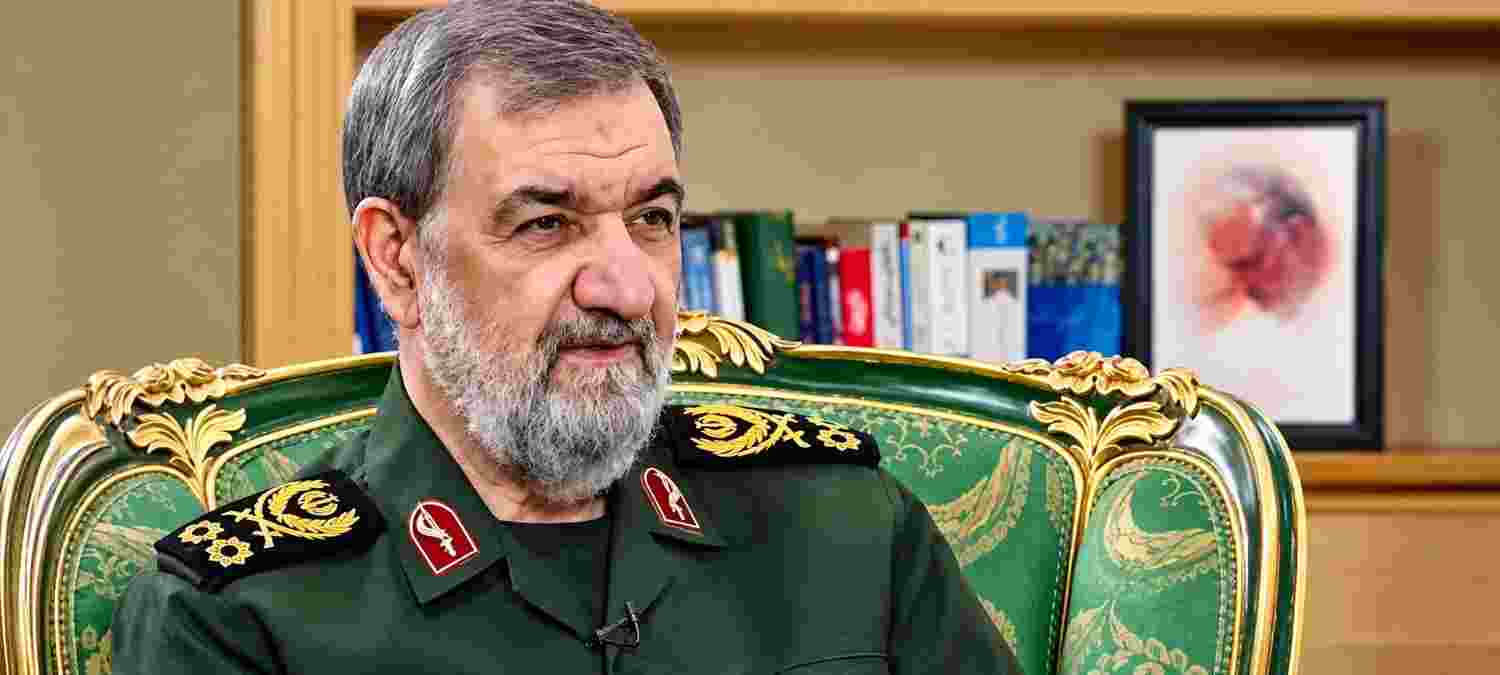
Mohsen Rezaei, Iran’s newly appointed security chief, warned that continued US economic pressure could trigger a sweeping response affecting oil exports throughout the Gulf.
Rezaei said that if what Tehran describes as an economic war continues, Iran could prevent oil from being exported through the Strait of Hormuz or from other parts of the Persian Gulf. He also warned that countries supporting Washington’s economic measures could be viewed by Iran as participating in an act of war.
The statement represents a major escalation because the Strait of Hormuz is one of the world’s most important energy corridors. Any prolonged disruption could have consequences far beyond Iran and the United States, potentially affecting oil-importing economies across Asia and Europe.
Trump prepares major economic offensive
The Iranian warning followed Trump’s announcement of a new campaign designed to intensify pressure on Tehran.
US Treasury Secretary Scott Bessent has described the operation as an unprecedented financial offensive. Washington’s strategy is expected to focus not only on Iran but also on countries and companies that continue trading with the Iranian economy.
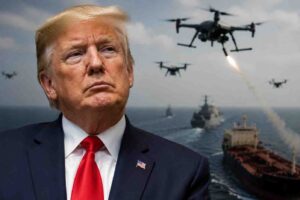
The administration appears determined to use economic pressure to force Tehran toward concessions while maintaining pressure over the wider conflict and the status of the Strait of Hormuz.
Iran, however, has rejected the approach. Foreign Minister Abbas Araghchi called the new sanctions strategy desperate, while President Masoud Pezeshkian has continued to argue that diplomacy remains necessary despite the worsening confrontation.
Strait of Hormuz becomes critical flashpoint
The latest confrontation has placed the Strait of Hormuz at the centre of the US-Iran standoff.
The narrow waterway is crucial for international energy shipments, making any threat to restrict tanker movements especially sensitive for global markets. Recent shipping activity has already fallen sharply, with fewer than 20 commodity vessels reportedly crossing the strait over the weekend amid the continuing confrontation.
The reduced traffic has added to concerns about supply disruptions, shipping costs and insurance risks. Energy markets are closely watching whether the latest threats result in a wider interruption of oil transportation.
At the same time, several countries are exploring ways to reduce their dependence on the strait. France and Saudi Arabia have discussed alternative trade routes, while other regional efforts are focused on maintaining energy flows despite the deteriorating security environment.
Global oil markets face renewed uncertainty
The possibility of a wider Gulf disruption is already influencing investor sentiment.
Also Read: Made In India Chips Power Space Missions, Fueling A New Era Of Innovation: Vaishnaw
Oil prices slipped in early trading on Monday as markets awaited details of the expected US sanctions package. Brent crude and West Texas Intermediate both moved lower as traders adjusted positions, even as concerns about the Strait of Hormuz continued to create uncertainty.
The contradictory market signals underline the uncertainty surrounding the crisis. While traders may be responding to immediate expectations about sanctions and demand, any serious interruption to Gulf oil shipments could quickly change the balance between supply and demand.
For major Asian energy consumers, prolonged disruption could prove particularly significant because the region remains heavily dependent on Middle Eastern crude.
Iran warns neighbouring countries
Tehran’s message is also aimed at countries in the Gulf that could cooperate with Washington.
Rezaei has warned that participation in US economic measures could be interpreted as hostile action. The threat increases pressure on Gulf governments, which must balance their economic relationships with the United States against regional stability and energy security.
The escalation comes as diplomatic efforts continue. Pakistan’s army chief is scheduled to travel to Tehran, while Egypt has also been involved in efforts to revive negotiations between Washington and Tehran. China has criticised the sanctions approach and called for diplomacy.
A dangerous economic and strategic showdown
The latest threats demonstrate how rapidly the US-Iran confrontation is expanding from military and diplomatic pressure into a potentially global economic crisis.
Washington wants to isolate Tehran financially, while Iran is warning that attempts to squeeze its economy could trigger retaliation against Gulf energy flows. The Strait of Hormuz has therefore become not only a strategic military chokepoint but also a powerful economic pressure point.
With sanctions expected to intensify and Tehran threatening to disrupt oil exports, the coming days could prove decisive for regional stability, global energy markets and efforts to end the prolonged US-Iran confrontation.
Click here to join our WhatsApp Channel for real-time news updates and exclusive coverage.