The headquarters of Pakistan-based terror organisation Jaish-e-Mohammed (JeM) in Bahawalpur has reportedly been rebuilt around 15 months after it was heavily damaged in India’s Operation Sindoor, according to recent reports and imagery reviewed by media outlets.
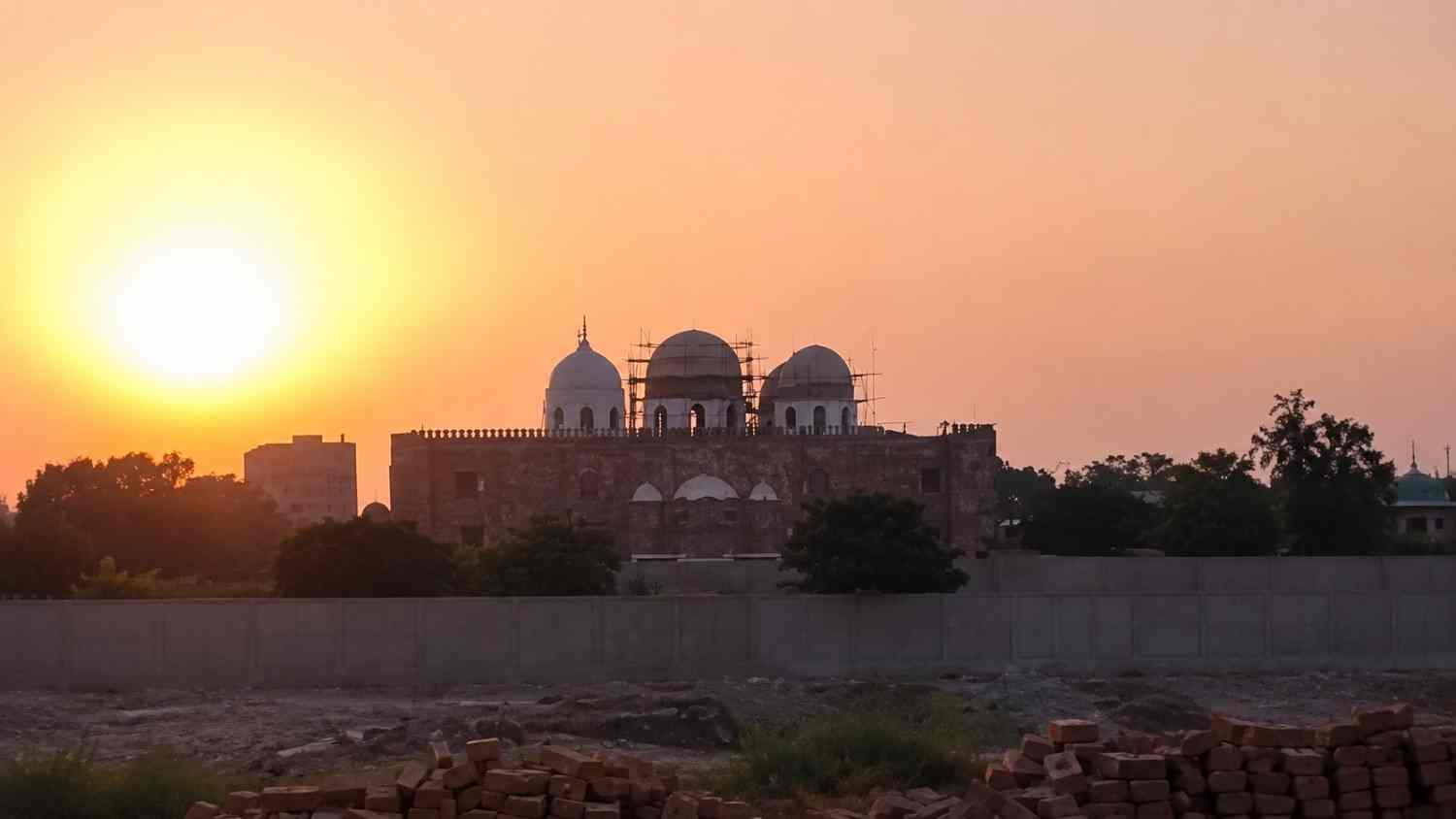
The facility, known as Markaz Subhan Allah or the Jamia Subhan Allah complex, was among the sites targeted during India’s military operation in May 2025. Recent images reportedly indicate that substantial reconstruction has been completed, including repairs to damaged structures, restoration of mosque domes and refurbishment of the central hall.
The development has renewed scrutiny over the continued existence and regeneration of militant infrastructure in Pakistan, particularly facilities associated with groups designated as terrorist organisations internationally.
Operation Sindoor caused extensive damage
India launched Operation Sindoor on May 7, 2025, following the April 22 terror attack in Pahalgam, Jammu and Kashmir, in which 26 people were killed.

The Bahawalpur compound was one of the prominent targets struck during the operation. Satellite imagery released after the strikes showed significant destruction inside the complex, including damage to buildings and the mosque structure.
JeM chief Masood Azhar later claimed that several members of his family were killed in the strike on the Bahawalpur facility. India Today had reported that at least 10 of Azhar’s relatives were among those killed, along with several associates.
The facility has long been associated with JeM’s organisational activities. Earlier reporting described the sprawling compound as a centre linked to recruitment, fundraising and ideological indoctrination.
Satellite images revealed reconstruction
Evidence of reconstruction had emerged months before the latest reports.
In May 2026, India Today reported that satellite imagery dated April 14 showed heavy machinery and construction vehicles operating at the Bahawalpur complex. The imagery indicated that repair work was already underway at structures damaged during Operation Sindoor.
The analysis also pointed to repaired mosque domes. Differences in the appearance of the structures were cited as indicators of fresh cement and reconstruction work.
The Bahawalpur site was not reportedly the only JeM-linked facility undergoing restoration. Satellite imagery from Muzaffarabad in Pakistan-occupied Kashmir also showed construction-related activity at another JeM-linked site, the Syedna Bilal Mosque, which had sustained damage during Operation Sindoor.
Central hall and surrounding structures rebuilt
More recent reports indicate that reconstruction at Markaz Subhan Allah has progressed considerably.
Images cited in media reports reportedly show the central hall restored, with plastering, painting and marble work completed. Damaged exterior domes have also reportedly been repaired, while portions of the surrounding compound have been reconstructed.
Reports have additionally claimed that adjoining structures, including Madrasa Al-Sabir and residential buildings associated with JeM commanders, have either been cleared or are being prepared for further construction.
However, claims regarding the precise source of funding for the latest rebuilding work have not been independently established.
Funding claims raise fresh questions
The reported reconstruction has also brought attention to earlier allegations surrounding financial support for rebuilding JeM infrastructure.
Also Read: Police Arrest 2 Suspects in Brutal Rangpur Family Murder; 3 Clues Crack Shocking Case
Some reports have claimed that Pakistani authorities or establishment-linked networks provided financial assistance for reconstruction, including a reported allocation running into hundreds of millions of Pakistani rupees. Other reporting has referred to fundraising efforts associated with the organisation.
These claims remain difficult to independently verify, and there is no publicly established evidence confirming every detail of the alleged financial arrangements.
Nevertheless, the speed at which the damaged facility has reportedly been restored has raised questions about how militant organisations are able to mobilise resources and reconstruct infrastructure after major counter-terror operations.
What the rebuilding means for regional security
The reported restoration of the Bahawalpur complex could become a significant issue in the continuing security debate between India and Pakistan.
Operation Sindoor demonstrated India’s willingness to target militant infrastructure beyond the Line of Control and inside Pakistan following major terror attacks. The subsequent reconstruction of a prominent JeM-linked facility highlights the challenge of ensuring that damaged infrastructure does not simply return to use after a period of rebuilding.
Security analysts have long warned that militant organisations can adapt after military strikes by relocating personnel, dispersing assets and rebuilding damaged facilities.
The restoration of Markaz Subhan Allah therefore raises questions not only about physical reconstruction but also about whether JeM has regained the organisational capabilities associated with the site.
Masood Azhar and JeM remain under scrutiny
Masood Azhar, the founder and chief of Jaish-e-Mohammed, remains one of the most closely watched figures in India’s counter-terrorism landscape. The organisation has been linked to several major attacks against India, including the 2001 Parliament attack, the 2016 Pathankot attack and the 2019 Pulwama bombing.
The reported rebuilding of the Bahawalpur headquarters adds another layer to scrutiny surrounding the group and its leadership.
While the physical restoration of the compound is increasingly documented through imagery and media reports, its exact operational status requires further independent verification. Reports claiming that the facility is fully operational should therefore be treated with appropriate caution until independently corroborated.
The development nevertheless sends a powerful signal about the continuing challenge posed by militant infrastructure in the region: destroying a facility may disrupt an organisation, but preventing its reconstruction can prove a far more enduring security challenge.
Click here to join our WhatsApp Channel for real-time news updates and exclusive coverage.