
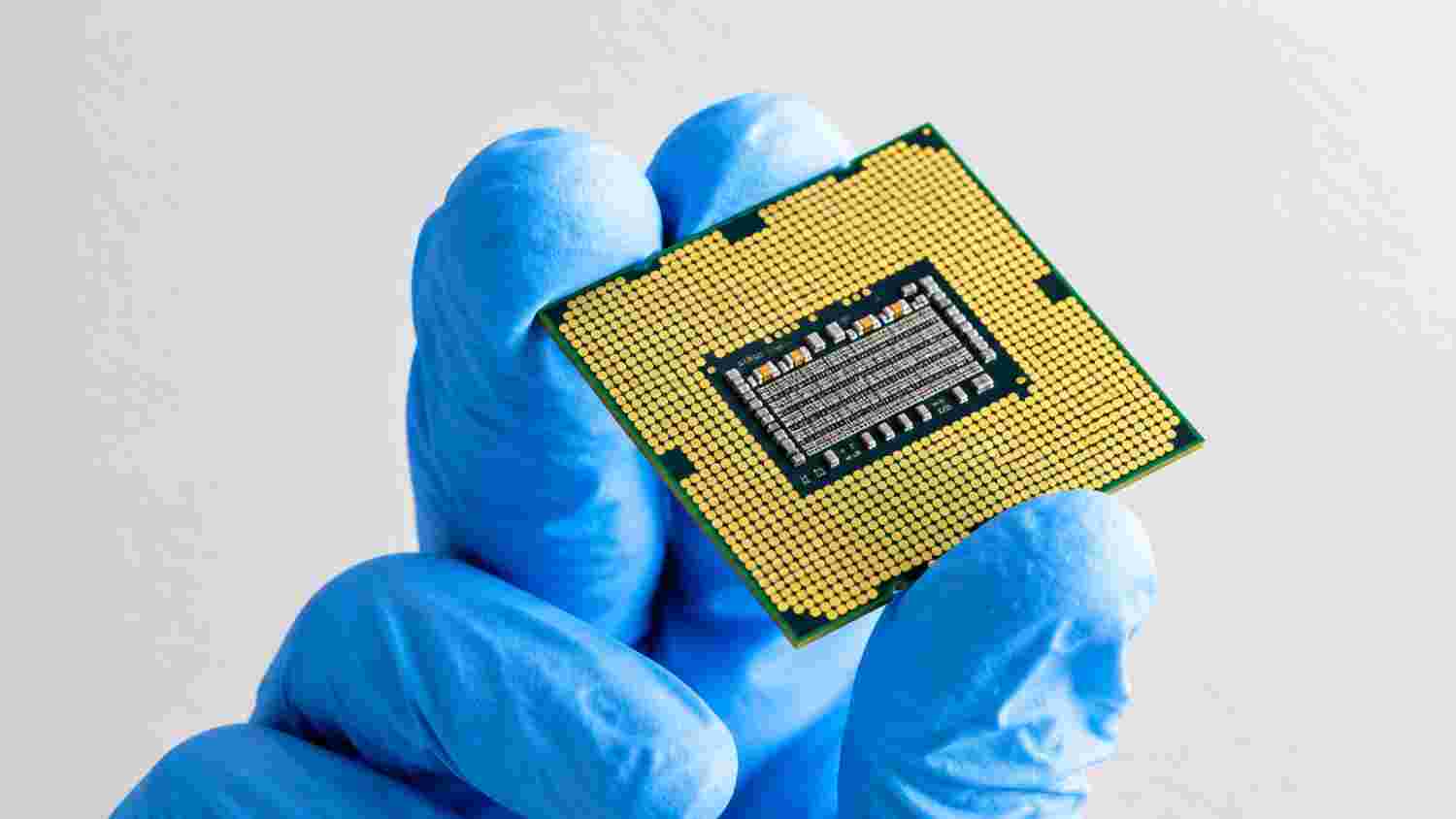
India is accelerating its technology ambitions by building a powerful ecosystem spanning semiconductors, artificial intelligence, advanced computing, chip design and high-value innovation. A PIB backgrounder released on August 13 highlights how the country is moving from policy commitments toward manufacturing, indigenous technology development and global partnerships.
Semiconductors Become the Foundation of India’s Tech Push
Semiconductors are at the heart of modern technology, powering smartphones, automobiles, satellites, telecommunications systems and artificial intelligence. As AI applications expand, demand for advanced chips, specialised processors and high-performance computing is also increasing.
Recognising the growing connection between chips and AI, India is developing capabilities across the semiconductor value chain, including chip design, fabrication, advanced packaging, equipment and materials. The government says this integrated approach is aimed at strengthening self-reliance, supply-chain resilience and innovation while creating opportunities in advanced manufacturing, research and high-value employment.
Semicon 2.0 Raises India’s Semiconductor Ambition
India’s first semiconductor programme, Semicon 1.0, established the foundation with a ₹76,000 crore outlay. The programme covered chip design, fabrication, packaging, testing, equipment, materials and skilled manpower.
The next phase, Semicon 2.0, takes the ambition further. Approved in July 2026 with an outlay of ₹1,27,500 crore, the programme focuses on six strategic areas: chip design, semiconductor equipment and materials, fabrication facilities, advanced packaging, research and development, and talent development.
The expansion comes as India seeks to reduce vulnerabilities in global technology supply chains and increase domestic value addition.
₹1.64 Lakh Crore Investment Pipeline Takes Shape
The semiconductor push is increasingly translating into physical manufacturing capacity. According to the PIB backgrounder, 12 semiconductor projects have been approved across six states, with investment commitments exceeding ₹1.64 lakh crore.
These projects include silicon and compound semiconductor fabrication units, display fabrication facilities and advanced packaging plants. Three facilities have already started commercial production, marking an important shift from semiconductor policy and planning to actual manufacturing.
The facilities are expected to support critical sectors such as automobiles, telecommunications, aerospace, power electronics and consumer electronics.
India Strengthens Domestic Chip Design Skills
Alongside manufacturing, India is expanding its domestic semiconductor design capabilities. The Chips to Startup, or C2S, programme has deployed Electronic Design Automation tools across 320 academic institutions and trained more than 68,000 students.
Also Read: Iran President Pezeshkian To Visit Delhi For BRICS Summit
EDA software is essential for designing, simulating, verifying and optimising semiconductor chips before manufacturing. The government has also approved 24 semiconductor design projects for financial support and provided EDA tool support to 105 startups and MSMEs under the Design Linked Incentive scheme.
By April 2026, 75 institutions had taped out 211 chips, while seven chips had been successfully fabricated at different technology nodes, including an advanced 12-nanometre node.
India’s AI Mission Expands Computing Power
The semiconductor drive is being accompanied by an equally ambitious push in artificial intelligence. The IndiaAI Mission, approved with an outlay of approximately ₹10,372 crore, aims to establish secure, inclusive and India-focused AI capabilities.
A major component is sovereign computing infrastructure. By June 2026, the IndiaAI Mission had expanded shared computing capacity to more than 45,000 GPUs. By August, 237 projects had accessed subsidised AI computing, accounting for 93.18 lakh GPU hours.
This infrastructure is intended to lower computing barriers for Indian researchers, startups and innovators developing and testing AI models.
Indigenous AI Models and AI Kosh Gain Momentum
India is also working to develop foundational AI models suited to its languages and requirements. From 506 applications, the government selected 20 indigenous foundation-model proposals, comprising 12 Large Multimodal Models and eight Small Language Models.
The AI Kosh platform has also expanded into a major digital resource base. As of July 2026, it hosted more than 14,000 datasets and 331 AI models, supporting researchers, developers and innovators.
Meanwhile, IndiaAI initiatives had developed 62 AI prototypes and deployed 20 AI solutions across public-sector institutions by August 2026.
Responsible AI Remains a Key Priority
India’s AI expansion is being accompanied by efforts to address safety and trust. Thirteen Responsible AI projects had been approved under the Safe & Trusted AI pillar by July 2026.
These projects cover areas including bias mitigation, machine unlearning, deepfake detection, privacy-preserving AI, explainability and AI risk assessment.
The government has also approved 58 AI Centres of Excellence across states and Union Territories, with 22 already approved and initiated across 13 States and UTs.
Global Partnerships Strengthen India’s Technology Position
India’s semiconductor and AI strategies are also supported by international cooperation. Partnerships with the United States, Japan, Singapore, the Netherlands, Germany and the European Union are contributing to technology collaboration and ecosystem development.
The country’s semiconductor engagement has also expanded globally. Semicon India 2025 attracted more than 350 exhibitors and participants from 48 countries and regions, alongside 35,000 registrations and 30,000 physical footfalls. Twelve MoUs were announced to strengthen product development, services and semiconductor skill development.
A High-Stakes Push Toward Technology Leadership
India’s semiconductor and AI strategies are increasingly being developed as interconnected pillars of national technological capability. Semiconductor manufacturing provides the hardware foundation, while AI computing, models, datasets and research create demand for advanced processing infrastructure.
The government’s roadmap now extends beyond chip fabrication to equipment, materials, advanced packaging, indigenous intellectual property, research and talent. At the same time, the IndiaAI Mission is expanding computing access and supporting applications across government, academia, industry and startups.
Together, these initiatives represent a significant attempt to strengthen India’s technological self-reliance while positioning the country as a competitive participant in global semiconductor and AI ecosystems.
Click here to join our WhatsApp Channel for real-time news updates and exclusive coverage.