The United States has intensified its crackdown on alleged Chinese tariff evasion, placing India alongside more than 40 major trading partners that Washington says could be involved in a network used to reroute Chinese goods into the American market.
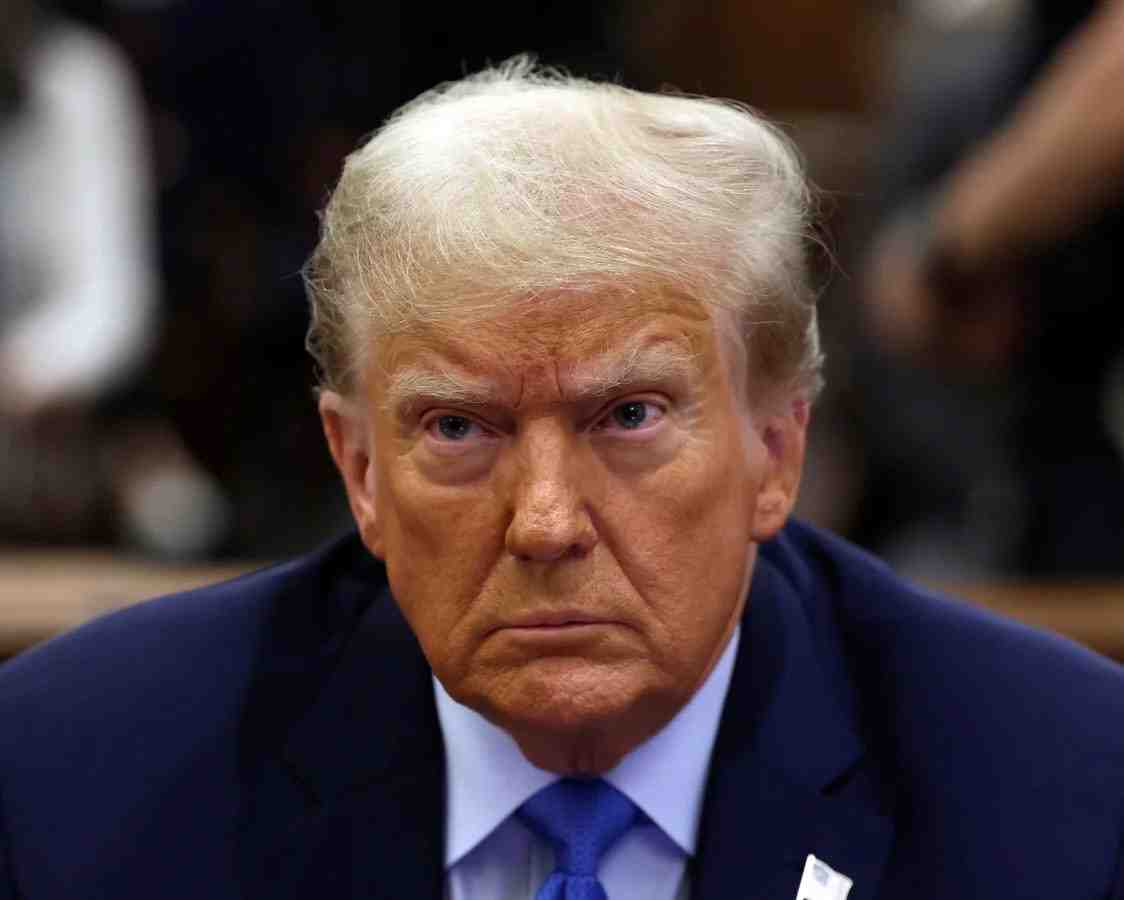
The allegations were outlined by US trade adviser Peter Navarro, who described the practice as a large-scale “shadow transshipment network.” According to the White House assessment, Chinese exporters have allegedly used third countries to disguise the original source of merchandise and reduce or avoid tariffs imposed by the United States.
India Named Among Major Trade Partners
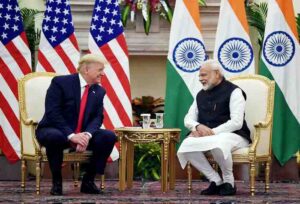
India’s inclusion has attracted particular attention because New Delhi and Washington have been engaged in discussions over trade and tariffs. The US list also includes major economies and trading partners such as Canada, Mexico, Japan, South Korea and members of the European Union.
Washington’s position is that the presence of a country on the list does not necessarily mean its government is deliberately facilitating illegal trade. Instead, the US is highlighting countries where Chinese products could potentially be routed through supply chains before being exported to America.
Transshipment can involve goods being shipped from China to another country before entering the United States. In cases of legitimate trade, products may undergo substantial manufacturing or processing in the intermediary country. US officials, however, are increasingly concerned about shipments involving minimal processing, relabelling, repackaging or changes in documentation designed to conceal the true country of origin.
Washington Warns of Billions in Lost Tariff Revenue
The White House estimates that the alleged practice is costing the United States billions of dollars in tariff revenue each year.
A White House report cited estimates ranging from roughly $19 billion to $26 billion in annual lost revenue. Another estimate put the value of potentially transshipped merchandise considerably higher, underlining the difficulty of measuring the scale of the alleged activity across complex international supply chains.
The Trump administration argues that such practices weaken the effectiveness of American tariff policy. If Chinese-made products enter through another country and are declared as originating there without meeting applicable rules of origin, US officials say the arrangement can effectively undermine tariffs designed to protect American industries.
Navarro has warned countries against allowing their territories, companies or logistics networks to become channels for tariff avoidance. His comments indicate that Washington is preparing to make transshipment enforcement a more important component of its trade strategy.
US Plans AI-Powered Border Crackdown
The administration is also turning to artificial intelligence to strengthen enforcement.
US officials are developing an AI-supported system known as “Detective Border,” designed to examine trade and shipment information and identify suspicious patterns. The system is expected to analyse factors such as shipping routes, product classifications, ownership structures, production capacity and other indicators that could reveal inconsistencies in declared origins.
Also Read: ISRO Launches Debris-Free Mission: Dr. Jitendra Singh Warns Of Rising Space Threat
The move reflects Washington’s growing reliance on technology to monitor complicated global supply chains. Traditional customs inspections can struggle to determine where a product was actually manufactured when components pass through several countries before reaching the United States.
AI-based analysis could allow US Customs officials to identify shipments that deserve closer examination and potentially detect patterns across multiple companies, ports and countries.
India Faces Greater Trade Scrutiny
For India, the US allegations could add another layer of complexity to an already sensitive trade relationship.
India has developed into a major manufacturing and export hub, making its supply chains increasingly important to global companies seeking alternatives to China. The United States’ concerns about transshipment therefore come at a time when businesses are attempting to diversify production across Asia.
Being identified as a transshipment-risk country does not automatically establish wrongdoing by Indian companies or authorities. The US assessment focuses on potential vulnerabilities within international trade networks rather than proving that every shipment or business connected to the listed countries is involved in tariff evasion.
Nevertheless, greater scrutiny could mean tougher documentation requirements and more detailed checks for Indian exporters shipping goods to the US.
China at the Centre of the Trade Battle
The latest accusations form part of Washington’s broader effort to prevent Chinese manufacturers from circumventing American trade restrictions.
The United States has argued that China’s manufacturing strength and extensive international supply chains allow exporters to adapt quickly when tariffs are imposed. Rerouting products through third countries can make enforcement considerably more difficult, particularly when production involves components sourced from several economies.
The White House says the new approach will combine stronger customs enforcement, greater transparency and anti-transshipment provisions in future trade agreements.
Global Trade Faces a New Tariff Test
The dispute could have consequences far beyond US-China relations. If Washington begins applying tougher scrutiny to countries identified as potential transshipment hubs, exporters across Asia, Europe and North America could face additional compliance costs.
Countries may also come under pressure to strengthen rules governing the origin of goods and monitor companies involved in re-exporting Chinese products.
For India, the immediate challenge will be maintaining legitimate trade with the United States while demonstrating that its manufacturing and export networks comply with international rules of origin.
The latest US warning therefore marks a significant escalation in the global tariff battle. What began as a confrontation focused largely on Chinese imports is increasingly spreading across the international supply chains that connect China with American consumers.
With AI-powered customs enforcement now being prepared and more than 40 countries facing heightened scrutiny, Washington’s message is clear: companies and countries that help goods bypass US tariffs could face substantially greater pressure in the months ahead.
Click here to join our WhatsApp Channel for real-time news updates and exclusive coverage.