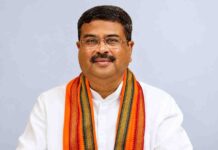
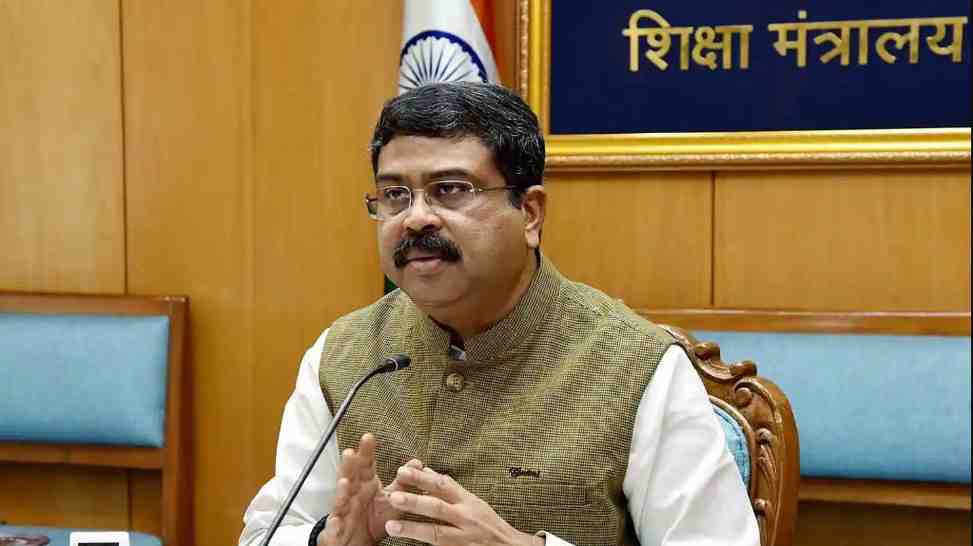
NEW DELHI: Union Education Minister Dharmendra Pradhan resigned from the Union Cabinet on Saturday, bringing a dramatic political development after weeks of nationwide protests over the alleged NEET examination irregularities. His resignation follows sustained demonstrations by students, youth groups, and civil society organisations demanding accountability in the education system.
The resignation marks one of the most significant political responses to the ongoing education controversy, which triggered widespread protests across several states and intensified in the national capital over the past month. Demonstrators had repeatedly demanded that the Union Education Minister step down, holding him morally responsible for the alleged lapses in conducting national entrance examinations.
Government Accepts Resignation
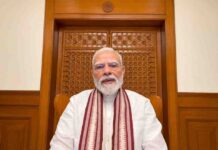
According to official reports, Dharmendra Pradhan submitted his resignation to Prime Minister Narendra Modi, who accepted it. The development was confirmed through official government communication later in the day.
In his resignation statement, Pradhan said he had always accepted responsibility during the crisis and decided to step down in the larger interest of students and the nation. He maintained that the future of India’s youth should remain the highest priority and expressed hope that the issue would not be exploited for political purposes.
Student Movement Intensified Pressure
The resignation follows a prolonged protest movement led by students demanding transparency in examination processes and accountability from authorities. The protests gained momentum after allegations surrounding the NEET examination and later expanded into a broader campaign seeking reforms in the education system.
Large demonstrations were held at Delhi’s Jantar Mantar, while similar protests spread to multiple cities across India. Student organisations insisted that fixing systemic issues required political accountability at the highest level.
The protest movement also received support from several opposition parties, social activists and public figures, increasing pressure on the central government.
Opposition Welcomes Decision
Opposition leaders had consistently demanded Pradhan’s resignation during the Monsoon Session of Parliament. Parliamentary proceedings witnessed repeated disruptions as opposition members insisted that discussions could not continue until action was taken against the Education Minister.
Several opposition parties described the resignation as an acknowledgment of public anger and renewed their demand for a comprehensive investigation into the alleged examination irregularities. They also urged the government to introduce structural reforms in the recruitment and examination process to restore public confidence.
Celebrations at Protest Sites
News of the resignation sparked celebrations among protesters gathered at Delhi’s Jantar Mantar. Students distributed sweets, waved the national flag and described the development as a victory for peaceful democratic protest.
Also Read: Punjab Student Damanpreet, 23, Killed In Canada; Partner Arrested
Leaders associated with the movement stated that while the resignation represented an important milestone, their campaign would continue until broader reforms are implemented. Protesters reiterated demands including greater transparency, stronger anti-paper leak mechanisms and accountability within examination agencies.
Focus Shifts to Education Reforms
With the minister’s resignation accepted, attention has shifted toward the government’s next steps. Education experts believe restoring confidence in India’s competitive examination system will require institutional reforms, improved security measures and enhanced transparency in recruitment and testing procedures.
Many stakeholders have also called for independent oversight of national examinations and stronger legal action against those involved in alleged paper leak networks.
The government has previously announced several measures aimed at strengthening examination security, but student groups argue that more comprehensive reforms are necessary to prevent future controversies.
Political Significance
The resignation is being viewed as one of the most significant political developments during the current Parliament session. It comes after sustained public pressure and represents a rare instance of a Union Cabinet minister stepping down following a prolonged nationwide protest movement.
Political observers believe the decision may help ease immediate tensions, but they also note that the larger debate over examination reforms, transparency and accountability is likely to continue in the coming months.
With millions of students depending on national entrance examinations each year, the controversy has reignited discussions about institutional credibility and the need for comprehensive reforms to safeguard the future of aspirants.
As the government prepares to appoint a new Education Minister, expectations remain high that restoring trust in India’s examination system will become an immediate priority. Student organisations have indicated they will closely monitor future policy decisions before deciding whether to continue or suspend their nationwide agitation.
Click here to join our WhatsApp Channel for real-time news updates and exclusive coverage.