NEW DELHI: Prime Minister Narendra Modi on Friday expressed gratitude to young people across the country for the overwhelming response to his late-night video message on examination reforms and the issue of paper leaks. In a fresh social media video, the Prime Minister acknowledged the encouragement and constructive feedback shared by students, saying their positive suggestions had further strengthened his commitment to improving India‘s education system.
PM Appreciates Youth Participation
In his latest video message, the Prime Minister thanked students and young citizens who watched and shared his earlier address. He said the large number of responses reflected the enthusiasm of India’s youth to contribute to meaningful reforms in the education sector.
PM Modi noted that the suggestions received from students were thoughtful and encouraging. According to him, such active participation by young people helps policymakers understand their expectations and reinforces the government’s efforts to make examinations more transparent and trustworthy.
PM Modi’s Message
Expressing his appreciation, Prime Minister Narendra Modi said, “Thank you, friends. Your love, support and positive suggestions have strengthened my bond with the youth. Together, we will continue working to build an education system that is fair, transparent and inspires confidence among students.”
The Prime Minister reiterated that the aspirations of students remain a priority for the government and assured them that their voices would continue to shape policy decisions.
Background to the Midnight Address
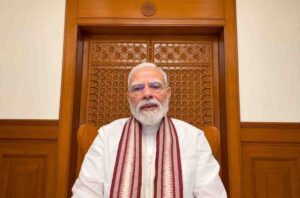
The Prime Minister’s latest message follows his unusual midnight video address released a day earlier amid nationwide concern over alleged irregularities in the NEET-UG 2026 examination and continuing protests by students. In that address, Modi described paper leaks as a serious challenge that cannot be ignored and assured strict action against those responsible.
His remarks came as students demanded stronger safeguards to restore confidence in competitive examinations. The government also announced that additional measures would be introduced to prevent future paper leaks and strengthen examination security.
Government Stresses Examination Integrity
The Centre has maintained that ensuring fairness in public examinations remains a top priority. Officials have indicated that technological safeguards, stricter monitoring systems and stronger legal action against organised paper leak networks are being strengthened.
The Prime Minister’s outreach is being viewed as part of the government’s effort to directly communicate with students at a time when concerns over examination integrity have dominated national discussions.
Education experts have also noted that engaging directly with students through digital platforms allows policymakers to better understand their expectations while reassuring them that reforms are underway.
Social Media Engagement Draws Attention
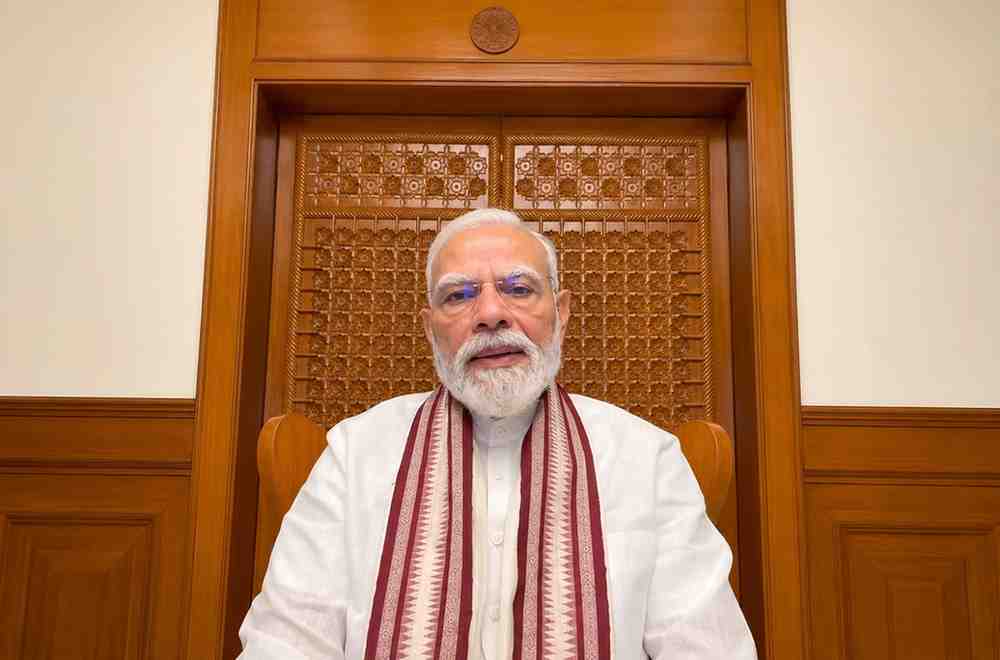
The selfie-style videos shared by the Prime Minister have generated significant engagement across social media platforms. His latest video focused less on policy announcements and more on acknowledging the support and feedback received from young Indians.
The Prime Minister said the enthusiasm displayed by students demonstrates their commitment to improving the education system and their willingness to participate in national conversations on reforms.
Observers say the government’s continued emphasis on direct communication reflects the growing importance of digital platforms in connecting with younger audiences.
Focus on Future Reforms
While thanking students for their responses, Modi reiterated that examination reforms would continue to receive priority attention. He said building a transparent, merit-based and reliable examination system requires cooperation between governments, institutions, educators and students.
The Centre has already indicated that further reforms will be implemented to enhance security, improve accountability and ensure that deserving students receive fair opportunities without being affected by malpractice.
As discussions on examination reforms continue, the Prime Minister’s message sought to reassure students that their concerns are being heard and that their participation will remain an important part of shaping future policy decisions.