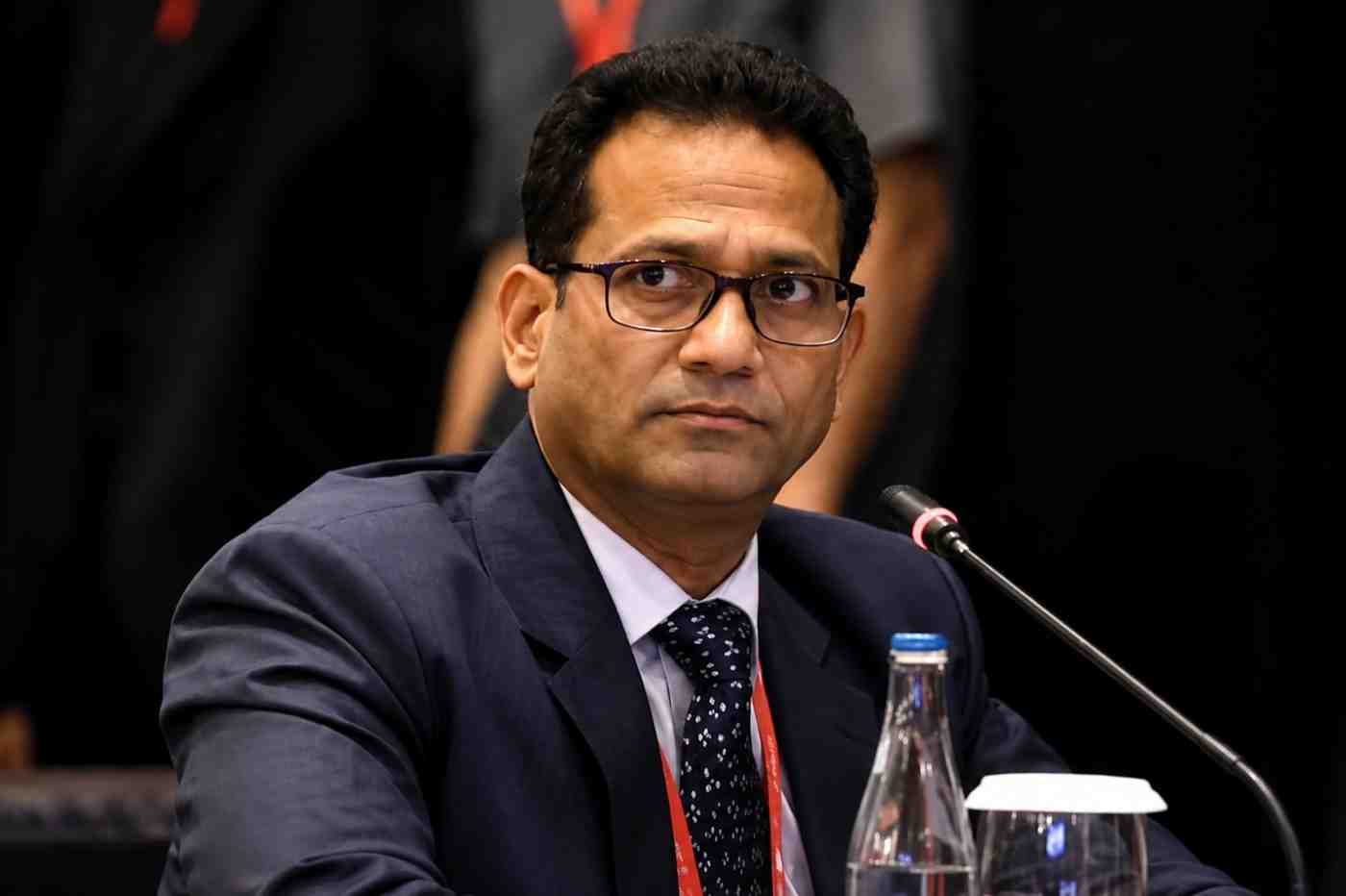
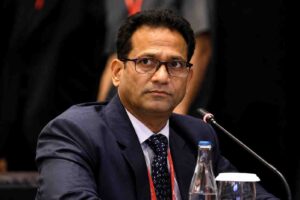
NEW DELHI: The Ministry of Education has appointed senior IAS officer Naresh Pal Gangwar as the new Secretary of the Department of Higher Education, marking a significant administrative change at a time when India’s higher education sector is undergoing major reforms. Gangwar has officially taken charge following a recent bureaucratic reshuffle approved by the Centre.
His appointment comes as the government continues to push ahead with the implementation of the National Education Policy (NEP) 2020 while simultaneously addressing growing concerns over examination integrity, institutional governance, and regulatory reforms in higher education.
Leadership Change at a Crucial Time
Naresh Pal Gangwar replaces Vineet Joshi, who has been transferred to the Ministry of Panchayati Raj as Secretary as part of the Centre’s wider secretary-level reshuffle. Gangwar is a 1994-batch IAS officer of the Rajasthan cadre and has previously served in several important administrative positions, including as Secretary in the Department of Animal Husbandry and Dairying. His long administrative experience is expected to play an important role in steering higher education reforms during a challenging period.
The leadership transition comes amid increased public attention on the education sector following concerns surrounding competitive examinations and demands for stronger institutional accountability.
Focus on Implementing NEP 2020
One of Gangwar’s biggest responsibilities will be accelerating the implementation of the National Education Policy 2020. The policy aims to transform India’s higher education landscape by promoting multidisciplinary education, flexible degree structures, academic mobility, digital learning, research excellence, and greater international collaboration.
The Higher Education Department is expected to continue working with universities, colleges, and regulatory bodies to ensure that institutions adopt the reforms envisioned under the policy. These include expanding access to quality education, improving employability, strengthening research ecosystems, and encouraging innovation across campuses.
Managing Regulatory Reforms
Another major task before the new Higher Education Secretary is overseeing ongoing regulatory changes.
The proposed Viksit Bharat Shiksha Adhishthan (VBSA) Bill seeks to introduce a new regulatory framework by replacing multiple existing education regulators with a unified system. If implemented, the reforms would significantly reshape governance, accreditation, and academic standards across India’s higher education institutions.
As these proposals continue to move through the legislative process, the Department of Higher Education will play a central role in coordinating consultations and preparing institutions for any future regulatory transition.
Strengthening Examination Systems
The appointment also comes at a time when examination reforms have become a national priority. Recent controversies surrounding competitive examinations have intensified demands for greater transparency, stronger security mechanisms, and improved accountability in examination processes.
Although several agencies handle entrance examinations independently, the Higher Education Department remains responsible for broader policy coordination related to higher education admissions and institutional reforms. Experts believe administrative leadership will be important in rebuilding public confidence and ensuring smooth implementation of future reforms.
Experience Expected to Aid Policy Execution
Gangwar’s administrative background spans multiple sectors, giving him extensive experience in governance and public administration. Officials believe this experience will help in coordinating with universities, central institutions, state governments, and regulatory agencies while implementing key policy initiatives.
The Department of Higher Education oversees one of the world’s largest higher education systems, including central universities, institutions of national importance, and numerous policy initiatives aimed at improving educational quality and expanding access.
Challenges Ahead
The new secretary assumes office with several immediate priorities, including improving higher education governance, supporting research and innovation, promoting digital education, strengthening university autonomy, and ensuring effective implementation of ongoing reforms.
Read Also: Gujarat’s Umbergaon Records Rainfall Higher Than Delhi’s Annual Average In Just Hours
Higher education institutions are also adapting to changing academic structures introduced under NEP 2020, including multidisciplinary programmes, flexible learning pathways, academic credit systems, and increased international collaboration.
Balancing these long-term reforms with immediate administrative challenges will remain a key responsibility for the department under Gangwar’s leadership.
Looking Forward
Naresh Pal Gangwar’s appointment signals the government’s intention to maintain momentum on higher education reforms while strengthening institutional governance. With major policy initiatives already underway and regulatory changes under discussion, his tenure is expected to play an important role in shaping the future direction of India’s higher education system.
Education experts will closely watch how the department advances NEP 2020 implementation, addresses examination-related concerns, and supports universities in adapting to evolving academic and regulatory frameworks over the coming months.
Click here to join our WhatsApp Channel for real-time news updates and exclusive coverage.