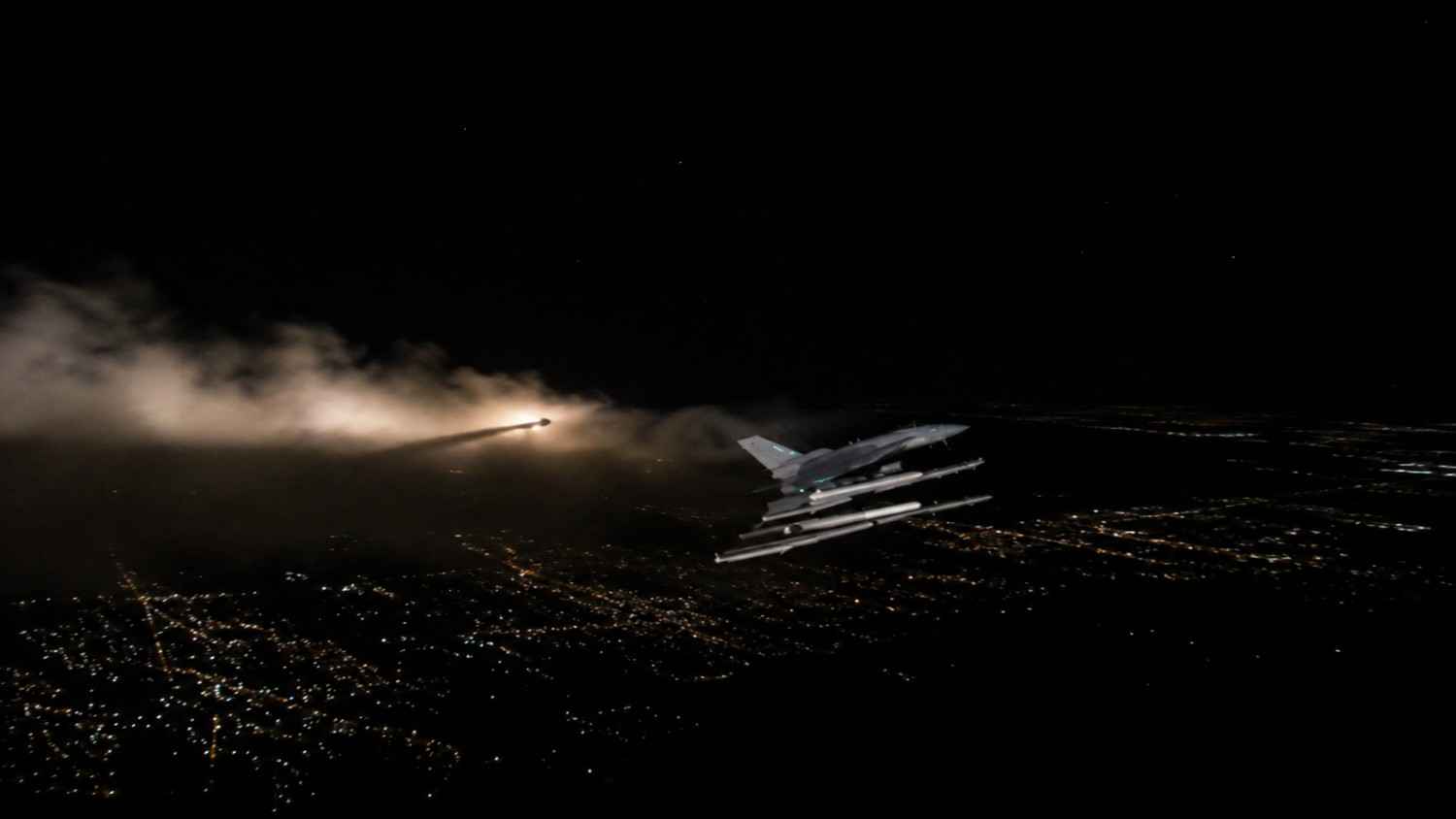
The US has carried out its 12th consecutive night of airstrikes on Iranian military targets killed two people, marking another major escalation in the ongoing conflict that has heightened fears of a wider regional war. The latest attacks targeted missile storage facilities, drone launch sites, air defence systems and coastal military infrastructure, according to US military officials.
The sustained campaign reflects Washington’s continued efforts to weaken Iran’s military capabilities and reduce what it describes as threats to international shipping and regional security. US Central Command (CENTCOM) said the strikes were directed at facilities linked to missile operations, drone deployments and maritime surveillance, adding that the operation was intended to degrade Iran’s ability to conduct future attacks.
Trump Issues Fresh Warning to Tehran
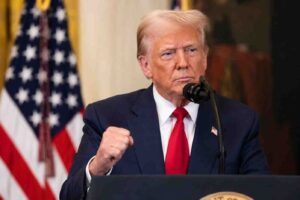
US President Donald Trump adopted a firm stance following the latest military action, warning Tehran against expanding attacks on commercial shipping or American interests in the region. Trump indicated that any further aggression from Iran could trigger additional strikes on strategic infrastructure, signalling that Washington remains prepared for an extended military campaign if necessary.
The White House has maintained that the United States does not seek a broader war but will continue taking action to protect its forces, allies and international maritime routes. American officials argue that Iran’s recent activities have threatened stability across the Gulf and disrupted global shipping lanes.
Iran Vows Strong Retaliation
Iran responded sharply to the latest wave of strikes, warning that any attacks on its critical infrastructure would receive a “powerful and decisive” response. Iranian officials accused Washington of violating international law and escalating an already volatile conflict.
Tehran reiterated that it would defend its sovereignty and warned that continued military pressure could have serious consequences for regional security. Iranian authorities have also maintained that attacks on civilian or strategic infrastructure would not go unanswered, raising concerns that both sides are moving closer to direct confrontation.
Strait of Hormuz Remains a Global Flashpoint
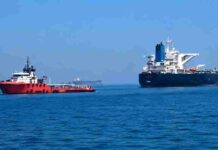
The Strait of Hormuz continues to remain at the centre of the crisis. The narrow waterway handles a significant portion of the world’s oil exports, and any disruption there could have severe consequences for global energy markets.
Recent attacks on commercial vessels and reports of tanker fires have intensified fears over the safety of one of the world’s busiest maritime corridors. Shipping companies have increased security measures while several governments continue monitoring developments closely.
Energy analysts warn that prolonged instability around the Strait of Hormuz could disrupt global oil supplies, increase transportation costs and place additional pressure on economies already facing inflationary challenges.
Global Concern Over Expanding Conflict
International observers have expressed growing concern that the continuing exchange of military actions could draw additional countries into the conflict. Diplomatic efforts aimed at reducing tensions have so far failed to produce a breakthrough, with both Washington and Tehran maintaining uncompromising positions.
Several regional governments have urged restraint, warning that continued escalation risks destabilising the broader Middle East. Humanitarian organisations have also expressed concern over the impact of sustained military operations on civilian populations living near targeted areas.
Also Read: Paper Leak Row: PM Modi Announces Fast-Track Courts, Rahul Gandhi Demands Accountability
Security experts believe that the current phase of the conflict represents one of the most dangerous periods in US-Iran relations in recent years, with the possibility of miscalculation remaining high.
Rising Economic Impact
The military confrontation is also having a significant economic impact. Global crude oil prices have risen as investors fear possible disruptions to energy supplies from the Gulf region. Insurance costs for commercial shipping have increased, while international markets remain sensitive to every new development in the conflict.
Analysts note that if hostilities continue or expand further, the effects could extend beyond the Middle East, influencing fuel prices, trade flows and overall global economic stability.
Uncertain Road Ahead
With both the United States and Iran refusing to soften their positions, prospects for immediate de-escalation remain uncertain. Military operations continue alongside diplomatic warnings, leaving the international community closely watching every development.
As Washington sustains its air campaign and Tehran promises retaliation against any further attacks, concerns are mounting that the conflict could broaden beyond its current scope. The coming days are expected to be crucial in determining whether diplomatic channels can prevent a deeper regional crisis or whether military confrontation will continue to intensify.
Click here to join our WhatsApp Channel for real-time news updates and exclusive coverage.