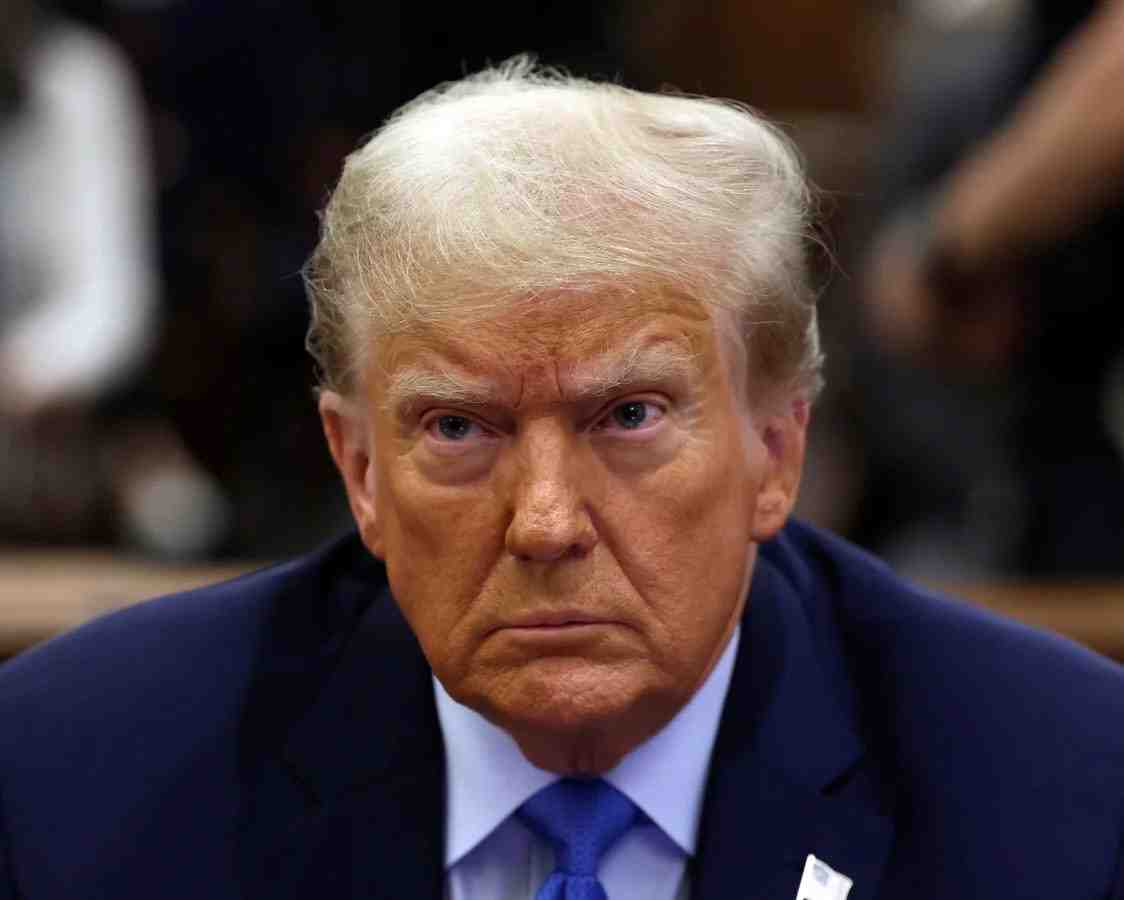
The Middle East witnessed another sharp escalation in rhetoric on Wednesday after US President Donald Trump warned that the United States would retaliate with strikes on Iranian infrastructure if Tehran attacks commercial vessels passing through the Strait of Hormuz. Trump’s latest statement comes amid growing military tensions and renewed concerns over global energy security as the crucial maritime route remains at the center of the ongoing confrontation.
According to Trump’s statement, every attack on a ship transiting the Strait of Hormuz would be met with a direct American response targeting key Iranian infrastructure, including bridges and power plants. The warning reflects Washington’s increasingly aggressive posture as clashes between the United States and Iran continue to intensify.
Trump Issues Strong Message to Tehran
Speaking through a public statement, Trump declared that the United States would not tolerate any attacks on international shipping in one of the world’s busiest energy corridors. He warned that if Iran uses missiles, drones, rockets, or any other weapons against vessels operating in the Strait of Hormuz, the US military would respond by striking important infrastructure inside Iran.
The President indicated that bridges and electricity facilities could become immediate targets in any future retaliation. The remarks underline Washington’s determination to ensure uninterrupted navigation through the strategic waterway, which handles a significant share of the world’s oil exports.
Strait of Hormuz Remains a Global Flashpoint
The Strait of Hormuz has remained one of the most sensitive geopolitical hotspots in the world. Situated between Iran and Oman, the narrow waterway serves as a critical passage for crude oil and liquefied natural gas shipments moving from Gulf producers to international markets.
Any disruption in shipping through the strait can have immediate consequences for global energy prices and international trade. Recent military activity and repeated threats have already triggered concerns among shipping companies, insurers, and energy markets worldwide.
Officials monitoring the region say heightened military deployments by both Iran and the United States have increased the possibility of accidental or deliberate confrontations.
Rising Military Confrontation
Trump’s warning follows several days of continued military operations involving American forces and Iranian targets. Reports indicate that US air operations against Iranian military infrastructure have continued while Tehran has responded with missile and drone attacks directed at American interests and regional allies.
The situation has raised fears that the conflict could widen further, drawing additional countries into the confrontation. Analysts believe any direct attack on international shipping could dramatically increase military activity across the Gulf region.
Security experts also warn that prolonged instability around the Strait of Hormuz may disrupt global supply chains and significantly impact international fuel prices.
Impact on Global Oil Markets
Energy markets continue to closely monitor developments between Washington and Tehran. The Strait of Hormuz remains one of the world’s most vital oil transit routes, carrying millions of barrels of crude every day.
Even the possibility of shipping disruptions has contributed to increased volatility in crude oil prices. Market observers say investors remain concerned that any escalation involving commercial tankers could reduce supplies and drive energy costs higher across international markets.
Shipping companies have reportedly increased security measures while insurers continue reassessing risk premiums for vessels operating in the Gulf.
Diplomatic Efforts Face Challenges
Despite ongoing military activity, diplomatic channels have not completely closed. American officials have maintained that negotiations remain possible if Iran refrains from targeting commercial shipping and agrees to reduce regional tensions.
However, recent public statements from both sides indicate that trust remains extremely limited. Washington has accused Tehran of failing to demonstrate genuine commitment toward de-escalation, while Iranian officials have repeatedly criticized American military actions.
The latest exchange of threats is likely to complicate any immediate prospects for renewed diplomatic engagement.
International Community Watches Closely
Governments across Europe, Asia, and the Middle East continue monitoring developments because of the strategic importance of the Strait of Hormuz. Many countries rely heavily on uninterrupted energy supplies passing through the narrow waterway.
International observers have urged restraint from both Washington and Tehran, warning that further escalation could have significant humanitarian, economic, and geopolitical consequences beyond the region.
With military deployments continuing and political rhetoric becoming increasingly confrontational, global attention remains firmly focused on whether diplomatic efforts can prevent a broader regional conflict.
Click here to join our WhatsApp Channel for real-time news updates and exclusive coverage.