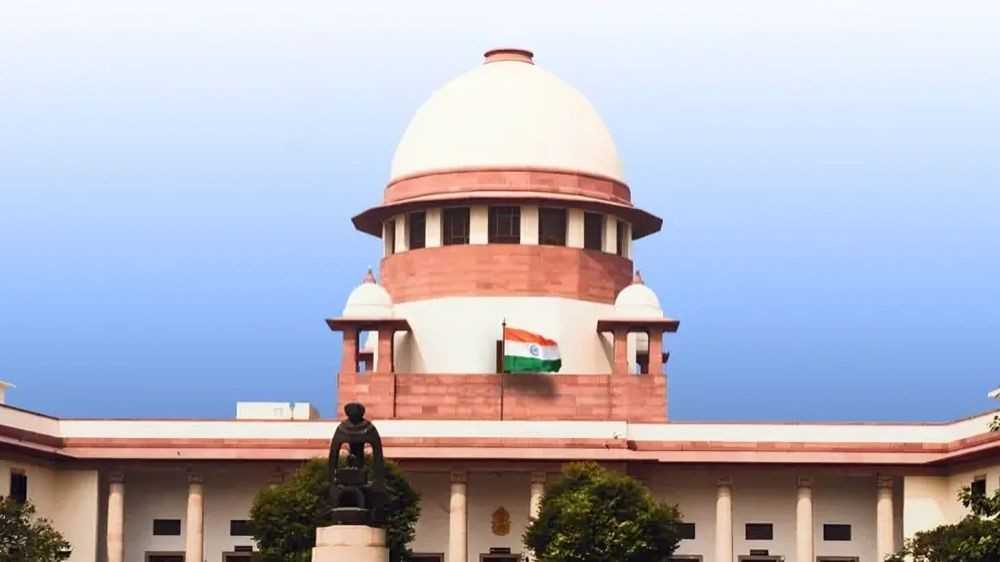
NEW DELHI: The Supreme Court on Wednesday declined to grant an urgent hearing on a petition seeking judicial intervention over alleged police action against student protesters in Delhi, observing that the court could not immediately entertain the matter merely on the basis of video clips circulating online. The bench, headed by Chief Justice of India Surya Kant, refused the request for urgent listing and made sharp remarks while hearing the mentioning of the case.
The plea was mentioned before the apex court following allegations that police had used excessive force against students during recent demonstrations in the national capital. Petitioners sought immediate intervention, arguing that the incident involved serious violations of fundamental rights and required urgent judicial scrutiny.
However, the bench was not convinced that the matter warranted immediate listing. During the brief exchange in court, the Chief Justice remarked, “Don’t waste our time,” while responding to repeated requests for urgent consideration. When counsel referred to videos purportedly showing police action against protesters, the Chief Justice stated, “We don’t have time to watch videos.”
Petition Raised Allegations of Police Excesses
According to the petitioners, students participating in the protest were allegedly subjected to excessive force by the Delhi Police while exercising their democratic right to protest peacefully. The plea requested the Supreme Court to intervene immediately, order an independent inquiry into the alleged police action, and ensure protection of the rights of students and protesters.

The lawyers appearing for the petitioners argued that the issue involved constitutional rights, including the freedom of speech and peaceful assembly guaranteed under Article 19 of the Constitution. They submitted that visual evidence of the alleged police action was widely available and required urgent judicial attention.
Despite these submissions, the bench declined to accord the matter immediate priority, indicating that it was not inclined to entertain the plea through an urgent mentioning.
Court Refuses to Examine Video Evidence During Mentioning
A significant moment during the hearing came when counsel urged the court to consider videos allegedly documenting the police action. The Chief Justice, however, made it clear that the Supreme Court could not examine such material at the stage of mentioning.
“We don’t have time to watch videos,” the Chief Justice observed, stressing that the court could not determine the urgency of a matter solely on the basis of video footage presented during oral mentioning.
The bench maintained that requests for urgent listing must satisfy established legal standards and cannot be decided merely on emotional or public reactions surrounding an incident.
Protests Spark Legal Battle
The plea follows widespread protests by students over recent developments relating to educational issues, during which several demonstrators allegedly clashed with the police. Protesters claimed that law enforcement personnel resorted to force while attempting to disperse gatherings, resulting in injuries and detentions.
The petition before the Supreme Court sought judicial oversight of the police action and requested safeguards against any further coercive measures against students participating in peaceful demonstrations.
Legal experts note that questions relating to the balance between maintaining public order and protecting citizens’ right to protest frequently reach constitutional courts, particularly during large-scale public demonstrations.
No Immediate Relief Granted
Since the Supreme Court declined the request for urgent listing, no interim relief was granted to the petitioners during Wednesday’s proceedings. The court did not issue notices to the authorities or pass any immediate directions regarding the allegations raised in the plea.
The refusal to urgently list the matter means the petition will have to follow the normal judicial process unless listed separately at a later stage according to the court’s roster and procedures.
Debate Over Judicial Intervention
The Supreme Court’s remarks have drawn attention because they came amid heightened public debate over the handling of student protests in Delhi. While supporters of the petition argued that allegations of police excesses deserved immediate judicial scrutiny, others maintained that courts must follow established procedures before entertaining urgent pleas.
The court’s observations also underline its approach that urgent mentioning is not intended to become a substitute for regular judicial proceedings. By refusing to examine video clips during the mentioning stage, the bench emphasized that evidence must be evaluated through appropriate legal procedures rather than during preliminary oral submissions.
Meanwhile, legal proceedings concerning the alleged police action are expected to continue in appropriate forums, and the petitioners may pursue further remedies in accordance with law.
The incident has once again brought into focus the ongoing discussion over the rights of citizens to protest peacefully, the responsibilities of law enforcement agencies in maintaining public order, and the role of constitutional courts in addressing allegations involving civil liberties. As the matter progresses, it is likely to remain under close public and legal scrutiny.
Click here to join our WhatsApp Channel for real-time news updates and exclusive coverage.