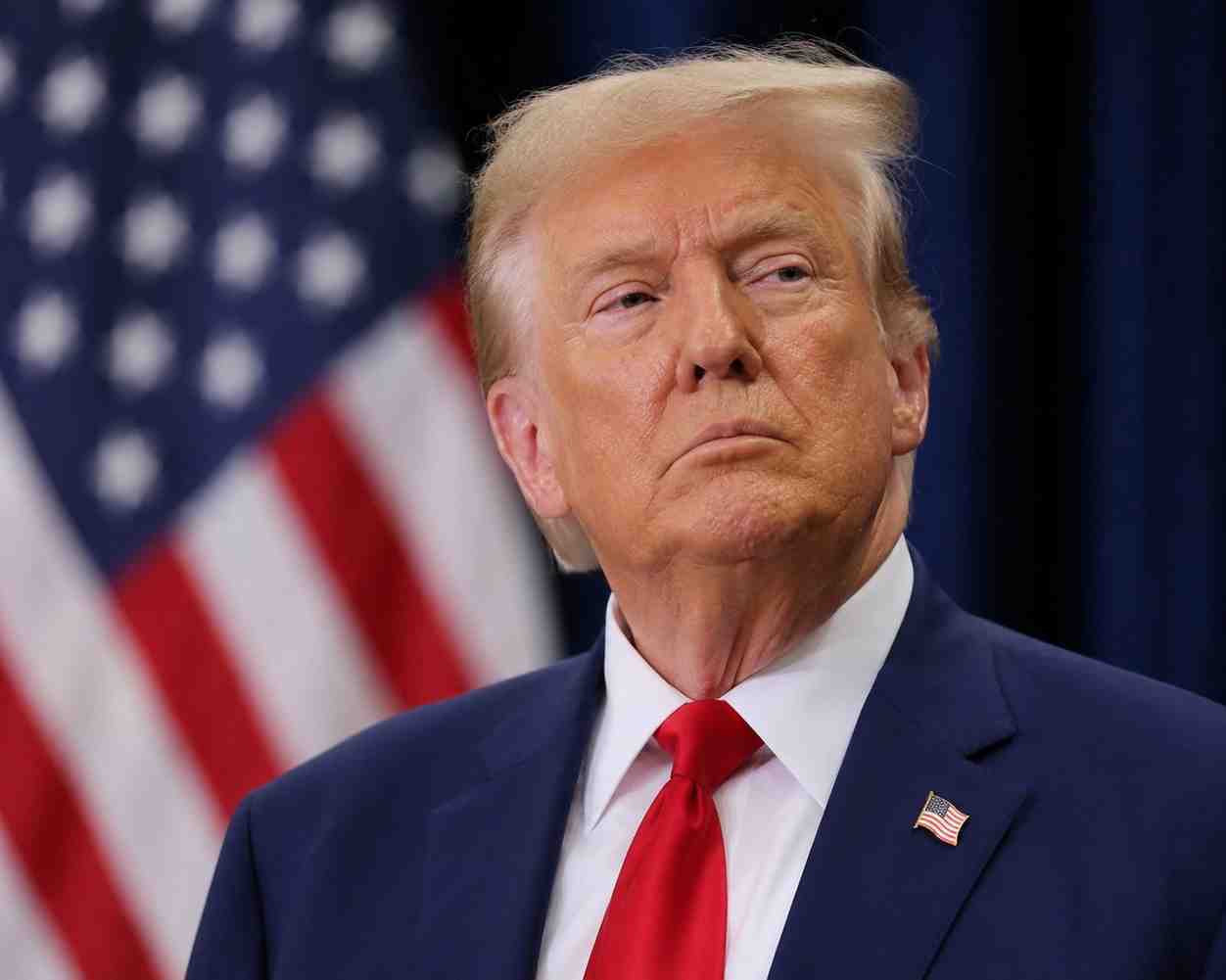
The US President Donald Trump has intensified pressure on Iran by declaring that the United States is prepared to launch a major strike on a suspected nuclear centrifuge site if necessary. Speaking to reporters at the White House, Trump said Washington was closely monitoring reports that Iran may have relocated nuclear centrifuges to the Pickaxe Mountain area near the Natanz nuclear complex.
“We’ll be hitting that area very, probably pretty soon, and there’s not a thing they can do about it,” Trump said when asked about the reported movement of centrifuges.
He further added, “Normally I wouldn’t say that. If I thought they could do something about it, I would never say that, but we’ll be hitting that area pretty soon, and very heavily.”
The remarks mark one of Trump’s strongest public warnings against Iran’s nuclear program in recent months and indicate that the US is prepared to take military action if it believes Tehran is advancing its nuclear capabilities.
Trump Claims Iran Wants Talks
Despite his sharp warning, Trump also claimed that Iran is interested in opening diplomatic discussions with Washington.
“Iran desperately wants to meet,” the US President said while addressing reporters, suggesting that Tehran is seeking negotiations even as military tensions continue to rise.
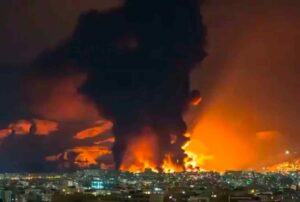
His comments came amid an ongoing exchange of strikes and heightened hostility between the United States and Iran, raising concerns that diplomatic efforts may become increasingly difficult if the conflict continues to intensify.
Although Iranian officials have not publicly responded to Trump’s latest remarks, the statement adds another layer of uncertainty to an already volatile situation in the Middle East.
Warning to Houthis Over Red Sea Security
Trump also addressed growing concerns over maritime security after Yemen’s Iran-backed Houthi movement announced a naval blockade targeting Saudi Arabia.
Speaking alongside Lebanese President Joseph Aoun at the White House, Trump warned that the United States would respond decisively if the Houthis attempted to block one of the world’s busiest shipping routes.
“There is no blockade of the Bab el-Mandeb or the Red Sea yet,” Trump said. “It might happen. If something like that happens, we take care of that.”
He later reinforced the warning, saying, “If something happens, we’ll just have to take care of business.”
The Bab el-Mandeb Strait serves as a critical gateway connecting the Red Sea with the Gulf of Aden and the Indian Ocean. Any disruption to shipping through the passage could significantly affect global trade and energy supplies.
Shipping Concerns Rise After Houthi Declaration
The Houthis declared a naval blockade against Saudi Arabia earlier this week, escalating regional tensions and raising fears of disruptions to commercial shipping.
Following the announcement, several vessels—including Saudi crude oil tankers—reportedly altered their routes near the Bab el-Mandeb Strait as a precaution.
The blockade threat has prompted renewed international concern because the waterway is one of the world’s most strategically important maritime corridors for oil exports and global commerce.
Security analysts believe any prolonged disruption could lead to higher shipping costs, delays in energy supplies, and increased military activity in the region.
Crew Members Injured in Tanker Incident
Adding to the concerns, Kuwait’s Foreign Ministry confirmed that an attack on a tanker left several crew members injured.
Also Read: IMD Predicts Limited Rain In Delhi, Heavy Rainfall Warning For Gujarat And Maharashtra
The ministry released a brief statement acknowledging the incident but did not specify who carried out the attack or provide details about the condition of those injured.
The lack of information has fueled speculation about growing risks to commercial vessels operating in the Red Sea region as tensions involving Iran and its regional allies continue to mount.
US Soldier Killed During Operation in Iraq
The Pentagon also announced the death of an American soldier during an operation at Erbil Air Base in northern Iraq.
The soldier was identified as Sgt. Michael Emmanuel Swinton, 30, from Fayetteville, North Carolina.
According to US military officials, Swinton was killed while participating in a controlled detonation operation involving a downed Iranian drone. Another American service member sustained minor injuries during the incident.
Lt. Gen. John L. Rafferty, commander of the Army’s Space and Missile Defense Command, paid tribute to the fallen soldier.
“His service will not be forgotten, and his sacrifice is not in vain,” Rafferty said.
“We will support Sgt. Swinton’s family and his unit during this difficult period. His loss will inspire his fellow Soldiers to continue the mission.”
US military officials said the incident occurred during efforts to ensure the safety of personnel stationed at the base.
Trump Highlights Executions in Iran
Trump also used his Truth Social platform to criticize Iran’s government after reports that two young Iranian protesters were executed.
Sharing posts about the executions of Gol-Mohammad Mohammadi, 23, and Erfan Esfandiari, 18, Trump condemned the Iranian authorities and described them as “savages.”
“The latest one of 52,000, plus, innocent protesters. Savages!!! When will the Democrats wake up???” Trump wrote while reposting reports about the executions.
He also shared messages urging international attention to the deaths and reposted an image showing a woman holding a sign reading, “STOP KILLING US.”
According to reports, the two men were executed at Dastgerd Prison in Isfahan after being convicted of killing four police officers during unrest earlier this year.
Regional Tensions Continue to Escalate
Trump’s latest statements come at a time of heightened military and diplomatic tensions across the Middle East. The possibility of US strikes on Iranian nuclear facilities, combined with threats involving Red Sea shipping routes and continued military operations in Iraq, has raised concerns about a broader regional confrontation.
With Iran’s nuclear activities remaining under close international scrutiny and maritime security facing new challenges, governments around the world are monitoring developments closely. Whether diplomatic engagement resumes or military action intensifies in the coming days is likely to shape the next phase of the crisis.
Click here to join our WhatsApp Channel for real-time news updates and exclusive coverage.