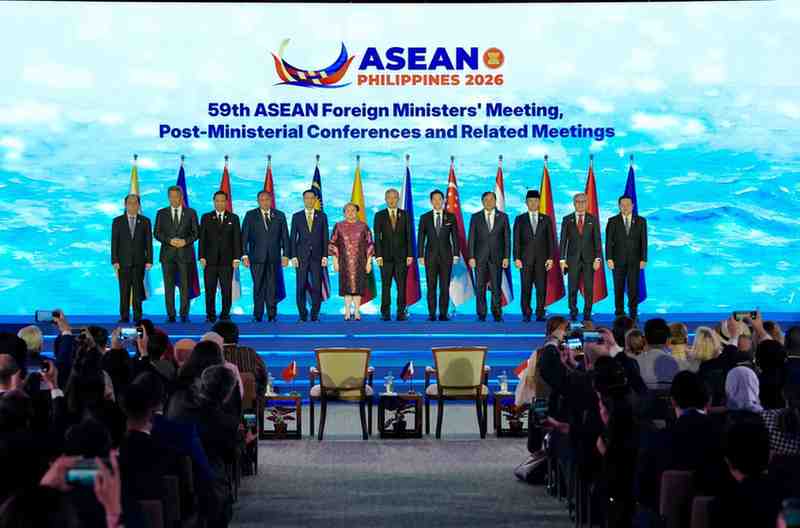
Foreign ministers from the Association of Southeast Asian Nations (ASEAN) expressed serious concern over the worsening security situation in the Middle East during their high-level meetings in Manila. The ministers warned that continued hostilities could have far-reaching consequences for global peace, energy markets, trade routes, and food security.
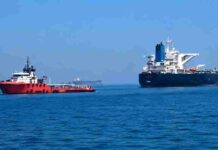
The conflict has raised fears of disruptions to international shipping lanes, particularly through the Strait of Hormuz, a crucial passage for global oil supplies. Many Southeast Asian countries depend heavily on energy imports, making the region vulnerable to prolonged instability in the Gulf.
In a joint statement, ASEAN leaders emphasized the need for an immediate reduction in tensions and called on all parties involved to pursue peaceful dialogue instead of military confrontation. They also reaffirmed their support for diplomacy and respect for international law as the foundation for resolving global disputes.
South China Sea Remains a Major Regional Concern
Alongside the Middle East crisis, ministers devoted significant attention to the continuing disputes in the South China Sea. ASEAN members voiced concern over recent incidents that have increased tensions, particularly between China and the Philippines.
The maritime disputes have remained one of the region’s most sensitive security challenges, with competing territorial claims involving several ASEAN members and China. Recent confrontations have heightened fears of accidental escalation and renewed calls for restraint from all parties.
The ministers reiterated the importance of maintaining freedom of navigation, ensuring maritime security, and resolving disagreements peacefully. They also stressed the need to accelerate negotiations on a long-awaited Code of Conduct between ASEAN and China to reduce the risk of future confrontations.
Major Powers Join High-Level Diplomatic Talks
The ASEAN meetings attracted several leading global diplomats, reflecting the growing international significance of the region.
Among the key participants were U.S. Secretary of State Marco Rubio, Chinese Foreign Minister Wang Yi, and Russian Foreign Minister Sergey Lavrov. Their participation underscored the increasing strategic importance of Southeast Asia amid intensifying competition between major powers.
The presence of these senior officials also provided opportunities for bilateral discussions on broader global security issues, including the conflicts in the Middle East and Ukraine, as well as economic cooperation across the Indo-Pacific region.
The gathering highlighted ASEAN’s role as an important diplomatic platform where regional and global powers engage in dialogue despite ongoing geopolitical rivalries.
Economic Risks Weigh on Southeast Asia
Regional leaders acknowledged that prolonged instability in the Middle East could create serious economic challenges for Southeast Asian nations.
Read Also: Rahul Gandhi Leads Congress Protest Near PM Residence, Seeks Resignation of Modi
Any disruption in oil shipments through key maritime routes could increase fuel prices, raise transportation costs, and add pressure on inflation across ASEAN economies. Governments are also monitoring the possible impact on food supplies and international trade, given the interconnected nature of global supply chains.
Several ministers emphasized the importance of strengthening regional cooperation on energy security to reduce the impact of external crises on ASEAN economies. Discussions included improving coordination among member states to ensure stable energy supplies if international disruptions continue.
Myanmar Crisis Also on ASEAN Agenda
While the Middle East and South China Sea dominated discussions, ASEAN leaders also revisited the ongoing political and humanitarian crisis in Myanmar.
The bloc acknowledged that progress on implementing its peace initiatives has remained limited since the military takeover. Ministers reaffirmed their commitment to supporting peaceful dialogue and humanitarian assistance while encouraging all parties in Myanmar to engage constructively in efforts aimed at restoring stability.
The situation in Myanmar continues to be one of ASEAN’s most pressing internal challenges, with member states seeking a balanced approach that promotes peace while respecting regional principles.
ASEAN Reaffirms Commitment to Regional Stability
The Manila meetings concluded with ASEAN reaffirming its commitment to maintaining peace, stability, and cooperation across Southeast Asia.
Leaders stressed that rising geopolitical tensions—from the Middle East to the South China Sea—highlight the growing importance of diplomacy and multilateral engagement. They called on all nations to avoid actions that could escalate conflicts and instead prioritize dialogue, mutual respect, and adherence to international law.
As global uncertainties continue to mount, ASEAN positioned itself as a key platform for fostering regional cooperation while engaging constructively with major world powers to address shared security and economic challenges.
Click here to join our WhatsApp Channel for real-time news updates and exclusive coverage.