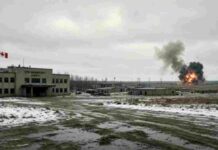

The confrontation between the United States and Iran has entered another volatile phase, with military activity intensifying around the Strait of Hormuz, one of the world’s most strategically important maritime routes. Fresh developments have heightened fears of a wider regional conflict, while energy markets and global shipping companies closely monitor the situation for signs of further disruption.
Strait of Hormuz Remains the Center of the Crisis
The Strait of Hormuz continues to dominate international attention due to its crucial role in global oil transportation. A significant share of the world’s crude oil and liquefied natural gas passes through the narrow waterway, making any military confrontation there a matter of worldwide concern.

Recent reports indicate that commercial shipping has slowed considerably as security risks increase. Many shipping operators are reassessing routes, insurance costs have risen, and maritime companies remain cautious amid fears of additional attacks on vessels operating in the Gulf.
Trump Administration Increases Pressure on Iran
US President Donald Trump has adopted an increasingly aggressive approach toward Iran, warning that military operations could expand unless Tehran changes its position.
According to multiple reports, the United States has continued strikes against Iranian military infrastructure believed to threaten maritime navigation. Officials say these operations are intended to weaken Iran’s military capabilities while ensuring freedom of navigation through the Strait of Hormuz.
Trump has also indicated that additional options remain under consideration if diplomatic efforts fail to produce results.
Rejects External Pressure
Iran has maintained that it possesses the right to safeguard its national security and territorial waters. Tehran authorities have repeatedly rejected what they describe as foreign interference in regional affairs.
Iranian military officials continue to insist that any hostile action against the country will receive an appropriate response. State-linked media also reported that Iranian forces remain on high alert as tensions continue to rise across the region.
Shipping Industry Faces Growing Uncertainty
Commercial shipping companies are becoming increasingly concerned about operating in the Gulf.
Recent vessel-tracking data suggests fluctuations in maritime traffic through the Strait of Hormuz as operators weigh the risks of sailing through the conflict zone. Insurance premiums for ships have climbed, while energy traders are preparing for potential disruptions if hostilities expand further.
Industry analysts warn that even temporary interruptions in the Strait could affect global fuel supplies and increase transportation costs worldwide.
Energy Markets Watch Every Development
Oil traders remain highly sensitive to developments in the Gulf.
The possibility of military escalation has already contributed to increased volatility in crude oil prices, with investors closely monitoring statements from Washington and Tehran.
Experts believe prolonged instability around the Strait of Hormuz could place additional pressure on international energy markets and complicate efforts by importing nations to maintain stable fuel supplies.
Diplomatic Efforts Continue Despite Military Activity
Although military operations have intensified, diplomatic channels have not been completely abandoned.
Also Read: 12 Killed As PoK Faces Reported Media Blackout Amid Security Crackdown
International observers continue to encourage both sides to pursue negotiations aimed at preventing a broader regional conflict. Several countries have called for restraint, emphasizing the importance of protecting civilian shipping and maintaining stability in one of the world’s busiest maritime corridors.
However, recent statements from both Washington and Tehran suggest that significant differences remain unresolved.
Regional Security Concerns Grow
The current tensions extend beyond the United States and Iran.
Neighboring Gulf countries remain alert as military deployments increase across the region. Security officials continue monitoring missile threats, drone activity, and the safety of commercial shipping lanes.
Analysts warn that any miscalculation could rapidly escalate into a broader regional crisis involving multiple countries, further affecting international trade and energy markets.
Global Community Urges Restraint
Governments and international organizations continue urging both sides to avoid actions that could destabilize the Middle East further.
With the Strait of Hormuz serving as a critical artery for global commerce, maintaining uninterrupted maritime traffic remains a priority for many nations. Diplomatic observers believe that while military pressure may continue in the short term, negotiations will ultimately be necessary to reduce tensions and restore stability.
As developments unfold, the situation remains fluid, with world leaders, financial markets, and shipping industries closely tracking every new announcement from Washington and Tehran.
Click here to join our WhatsApp Channel for real-time news updates and exclusive coverage.