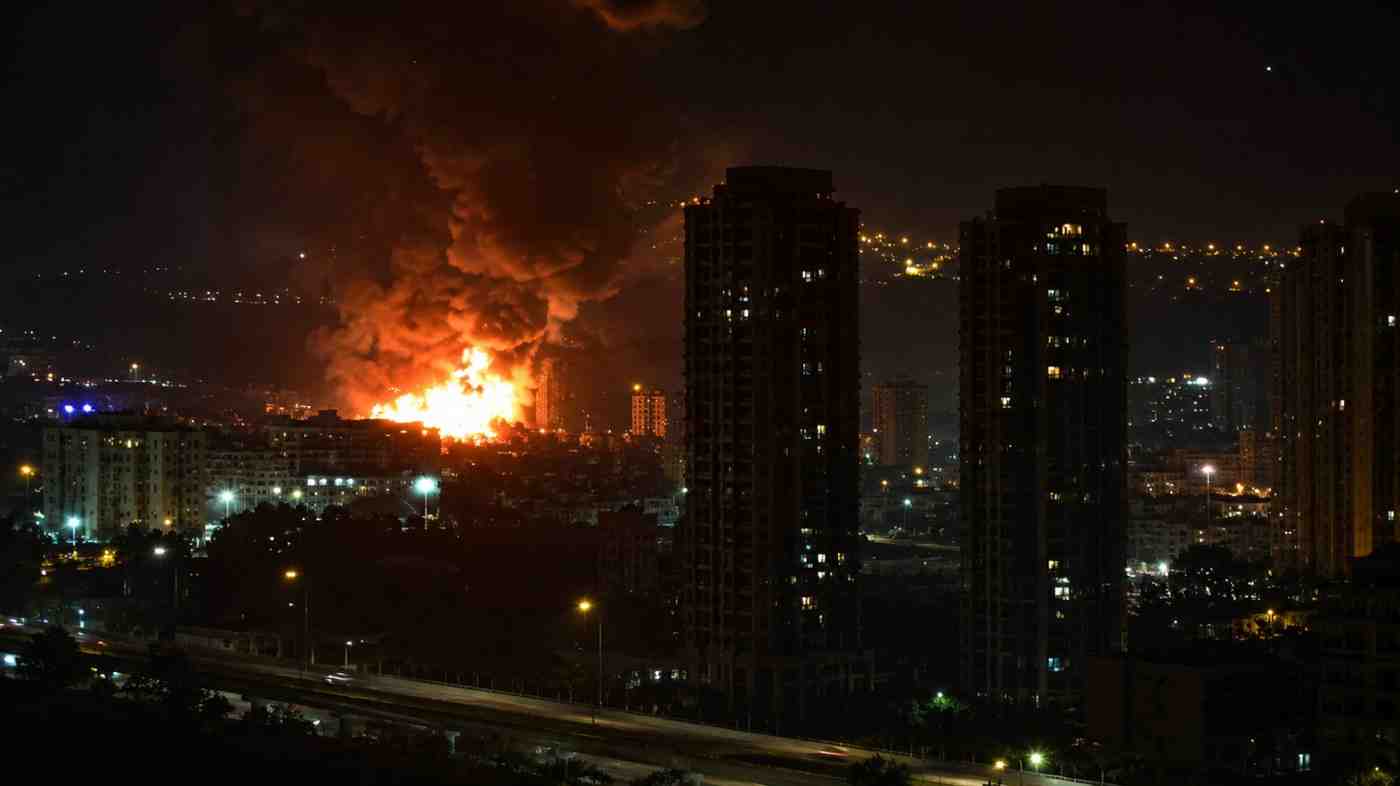
The United States has launched a major new wave of military strikes against Iran, targeting nearly 140 military sites in what officials described as a direct response to recent Iranian attacks on American forces and commercial shipping in the Gulf. The operation marks one of the largest U.S. military actions against Iran in the latest phase of the escalating conflict, with the two nations continuing to exchange strikes despite repeated international appeals for restraint.
CENTCOM Announces Large-Scale Military Operation
According to the U.S. Central Command (CENTCOM), American forces carried out coordinated precision strikes on approximately 140 Iranian military targets. The operation focused on facilities believed to support missile launches, drone operations, naval capabilities, command-and-control centres, radar installations, and military logistics networks.
Toronto: Gunfire Kills 2, Injures Several At Latin Street Festival
CENTCOM stated that the objective was to reduce Iran’s ability to threaten international shipping and attack U.S. personnel and allied forces operating across the Middle East. The military emphasized that the strikes were carefully planned using precision-guided munitions to hit strategic military assets.
Retaliation After Iranian Attacks
The latest American offensive follows a series of Iranian missile and drone attacks targeting U.S. military installations in several Gulf countries. Tehran has also been accused of attacking commercial vessels transiting through the strategically important Strait of Hormuz, one of the world’s busiest energy shipping routes.

Washington has argued that the military action was necessary to protect international maritime security and safeguard American troops stationed in the region. U.S. officials maintain that Iran’s recent actions violated previous understandings aimed at reducing hostilities.
Strait of Hormuz Remains a Flashpoint
The Strait of Hormuz has emerged as the centre of the latest confrontation. Iran recently announced restrictions on maritime traffic through the narrow waterway after warning foreign vessels and accusing Western countries of hostile actions.
The route is considered one of the world’s most critical oil transit corridors, carrying a significant share of global crude oil and liquefied natural gas exports. Any disruption in shipping through the strait has immediate implications for international energy markets and regional stability.
Military analysts say both sides are now treating control of the Strait of Hormuz as a key strategic objective, increasing the risk of further naval confrontations.
Precision Strikes Across Multiple Military Sites
U.S. officials said the strikes targeted a broad range of Iranian military infrastructure, including missile storage facilities, drone launch locations, naval assets linked to the Islamic Revolutionary Guard Corps (IRGC), communications facilities, and logistics centres.
Officials claimed the operation was designed to weaken Iran’s offensive capabilities rather than target civilian infrastructure. Pentagon representatives have not released detailed battle damage assessments but indicated that the mission achieved its intended military objectives.
Iran Promises Continued Response
Iran has condemned the American strikes, describing them as a violation of its sovereignty and international law. Iranian authorities have vowed that the country will continue responding to what it calls aggression by the United States and its allies.
Iranian military officials have warned that further American attacks could trigger additional missile and drone operations against U.S. bases across the region. Tehran has also reiterated that it will continue defending its strategic interests in the Persian Gulf.
The exchange of threats has heightened concerns that the conflict could spread beyond the immediate Gulf region if diplomatic efforts fail.
Global Concerns Over Regional Stability
Governments across the world are closely monitoring developments amid fears that the continuing military exchanges could destabilize the Middle East further.
Several countries have urged both Washington and Tehran to exercise restraint and return to diplomatic dialogue. International observers warn that prolonged conflict could disrupt global energy supplies, affect international shipping, and increase security risks across the region.
Energy markets remain sensitive to every development surrounding the Strait of Hormuz, with traders watching closely for any signs of additional military escalation.
Tensions Show No Immediate Signs of Easing
The latest U.S. strikes underscore the rapid deterioration in relations between Washington and Tehran. Despite earlier diplomatic efforts aimed at reducing hostilities, both countries continue to exchange military action while accusing each other of violating previous commitments.
Security experts believe the coming days will be critical in determining whether the confrontation remains limited to targeted military operations or expands into a broader regional conflict involving additional countries.
With both sides maintaining aggressive military postures and strategic waterways remaining under heightened surveillance, the risk of further escalation continues to dominate international attention.
Click here to join our WhatsApp Channel for real-time news updates and exclusive coverage.