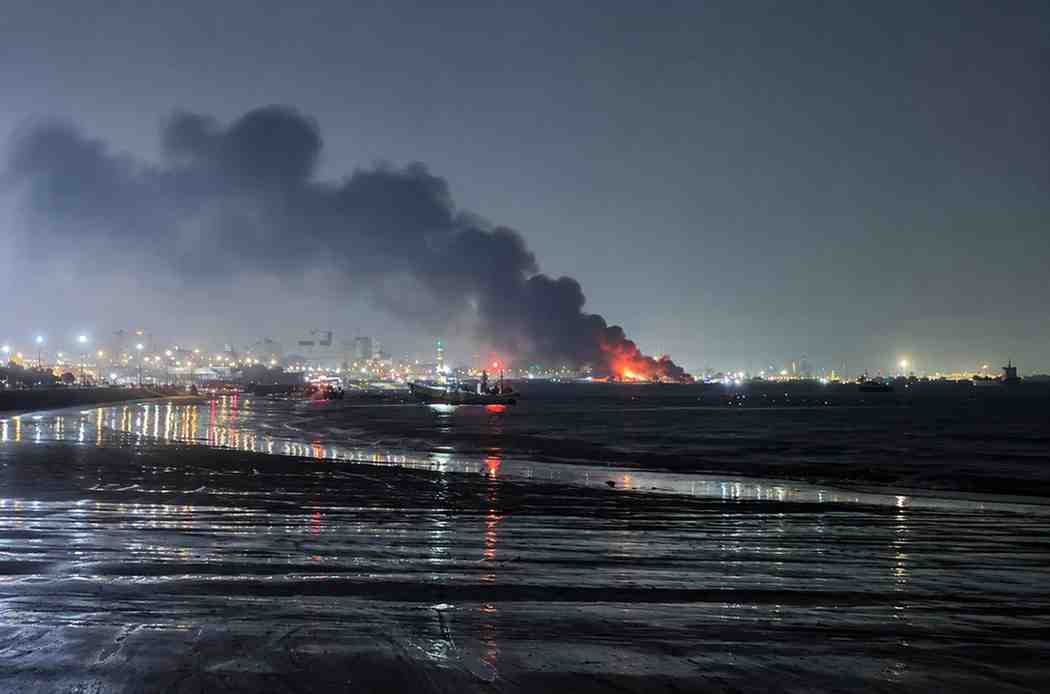
The United States has carried out a series of airstrikes on Iranian targets, including areas around the strategic port city of Bandar Abbas, after accusing Tehran of being responsible for attacks on commercial tankers in the Strait of Hormuz. The military operation marks one of the most significant escalations between Washington and Tehran in recent months and has heightened fears of a broader conflict in the Gulf region.
The strikes came after three commercial vessels were reportedly hit while transiting the Strait of Hormuz, one of the world’s busiest maritime routes for oil and gas exports. Washington described the attacks as a direct threat to international shipping and said military action was necessary to protect freedom of navigation and deter further aggression.
CENTCOM Announces Military Operation
The US Central Command (CENTCOM) confirmed that American forces had launched what it described as “powerful and precise” strikes against Iranian targets.
In an official statement, CENTCOM said the operation was intended to impose heavy costs on Iran for allegedly targeting commercial vessels crewed by civilians in international waters. The command accused Tehran of engaging in dangerous actions that threatened global maritime security and violated the ceasefire arrangements reached under a memorandum of understanding signed between the two countries last month.
US officials maintained that attacks on international shipping could not go unanswered, stressing that protecting vital sea lanes remains a top priority for Washington and its allies.
Bandar Abbas Among Areas Hit
Iranian state media reported that several locations were struck during the operation, including Bandar Abbas, Qeshm Island and Sirik along the country’s southern coastline.
Bandar Abbas is one of Iran’s most strategically important ports, serving as a major naval base and commercial shipping hub overlooking the Strait of Hormuz. The city plays a critical role in Iran’s maritime operations and regional trade.
Authorities in Iran said several people suffered injuries from flying shrapnel following the strikes. However, officials stated that no fatalities had been confirmed at the time of reporting. Emergency teams were deployed to affected areas while authorities assessed the extent of the damage.
The strikes have significantly increased security concerns across southern Iran, where military installations and key infrastructure are concentrated.
Iran Accuses US of Violating Agreement
Iran strongly condemned the American military action, accusing Washington of violating the memorandum of understanding signed only weeks earlier.
Iran’s deputy foreign minister described the attacks as a breach of the agreement and warned that Tehran would take “decisive measures” to defend its sovereignty, national security and strategic interests.
Iran’s foreign ministry also criticised the United States for revoking a temporary sanctions waiver that had allowed limited Iranian oil exports under the same memorandum.
Read Also: Operation Hard Ball: FBI Arrests 24 In Global Crime Network Linked To Lawrence Bishnoi
Officials in Tehran argued that Washington’s actions demonstrated inconsistency and bad faith, raising doubts about America’s commitment to diplomatic solutions.
Despite the military escalation, US officials indicated that diplomatic channels remain open and negotiations toward a broader agreement could continue if conditions permit.
Oil Sanctions Reimposed Before Strikes
Hours before the military operation, the US Treasury revoked a licence that had temporarily eased sanctions on Iran’s oil sector.
The waiver had allowed Iran to export limited quantities of crude oil and petroleum products under the framework of last month’s memorandum.
American officials defended the decision, saying it reflected growing concerns over Iran’s recent actions in the Strait of Hormuz.
Iran responded by stating that the sanctions reversal violated previous commitments and undermined confidence in ongoing diplomatic efforts.
The combination of renewed sanctions and military strikes has further complicated already fragile relations between the two countries.
Tanker Attacks Trigger International Alarm
The latest crisis began after multiple commercial vessels were reportedly struck while sailing through or near the Strait of Hormuz.
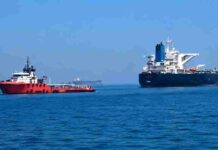
According to maritime security reports, one tanker caught fire after an unidentified projectile hit its engine room. Two additional vessels sustained damage in separate incidents, though both were able to continue their voyages after initial assessments.
The United Kingdom Maritime Trade Operations (UKMTO) monitored the incidents and issued alerts to commercial shipping operating in the region.
The United States blamed Iran for the attacks, describing them as unacceptable assaults on civilian shipping.
Iran has denied intentionally targeting commercial vessels, arguing that ships failing to follow coordinated navigation procedures or interfering with tracking systems increase the risk of maritime incidents.
Qatar and Saudi Arabia Condemn Attacks
Regional governments also reacted strongly to the tanker incidents.
Qatar accused Iran of attacking one of its vessels, the Al-Rekayyat, while it was travelling near the Strait of Hormuz. Doha urged Tehran to immediately halt actions that threaten regional stability and global energy security.
Saudi Arabia likewise blamed Iran after one of its tankers, Wadyan, was reportedly struck during its transit through the waterway.
Both countries described the incidents as attacks on international navigation and warned that continued disruptions could have serious consequences for global oil markets.
Iran rejected the accusations, insisting that it remains committed to ensuring safe navigation while protecting its own maritime interests.
Strait of Hormuz Remains a Global Flashpoint
The Strait of Hormuz remains one of the world’s most strategically important waterways, handling nearly one-fifth of global oil and liquefied natural gas shipments.
Any disruption in the narrow passage immediately affects international energy markets, shipping insurance costs and global trade.
Following earlier military confrontations involving Iran, the United States and Israel, Tehran had tightened its control over maritime operations around the strait and proposed new administrative mechanisms for vessel movements.
The memorandum signed last month had aimed to reduce tensions, extend a ceasefire and establish future discussions involving Iran, Oman and other Gulf nations regarding maritime administration.
However, the latest exchange of military strikes and shipping attacks has placed that agreement under severe pressure.
Uncertain Path Ahead
The latest confrontation has raised fresh concerns among governments and energy markets about the possibility of a wider regional conflict.
Military analysts believe further retaliation from either side could threaten commercial shipping, disrupt global oil supplies and increase instability across the Middle East.
While Washington insists its actions were defensive and necessary to protect international commerce, Tehran continues to view the strikes as an unlawful act that violated diplomatic commitments.
With military operations underway, sanctions restored and tensions rapidly escalating, the situation around Bandar Abbas and the Strait of Hormuz is likely to remain one of the world’s most closely watched security crises in the days ahead.
Click here to join our WhatsApp Channel for real-time news updates and exclusive coverage.