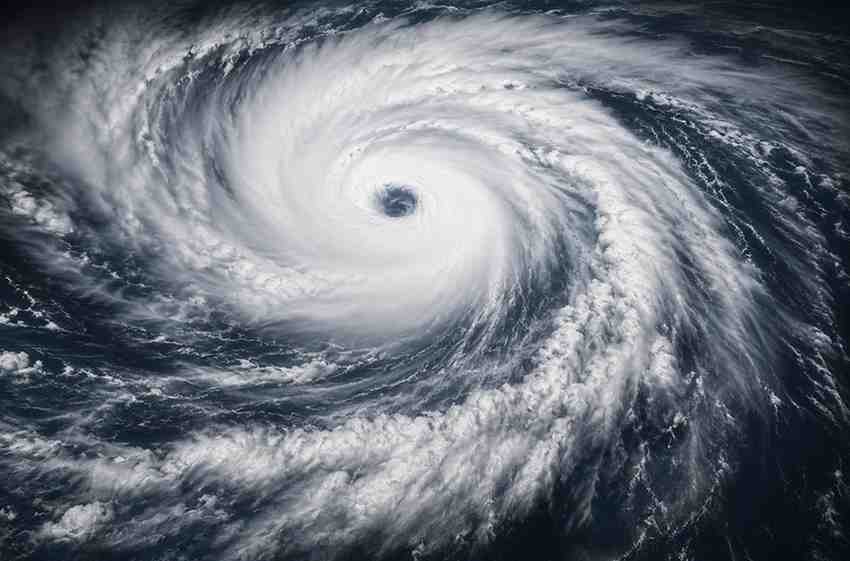
Super Typhoon Bavi, one of the strongest tropical cyclones recorded this year, made landfall on the US Pacific island of Rota on Monday, unleashing devastating winds, torrential rainfall and dangerous storm surges that forced thousands of residents to remain indoors or seek emergency shelters. Authorities described the storm as a life-threatening event capable of causing catastrophic damage across the Northern Mariana Islands and nearby Guam.
The powerful weather system struck Rota with sustained winds reaching nearly 290 kmph (180 mph), making it equivalent to a Category 5 hurricane. Meteorologists warned that destructive winds exceeding 240 kmph (150 mph) would continue even after the eye of the storm passed, increasing the risk of structural collapse, flying debris and prolonged disruption to essential services.
The US National Weather Service issued its highest-level warnings, describing the conditions as “catastrophic” and urging residents to stay in secure shelters until officials declared it safe to emerge. Emergency management teams across Guam and the Northern Mariana Islands remained on high alert as the storm continued its westward movement.
Residents Brace for Powerful Impact
In the days leading up to landfall, local authorities had urged residents to complete emergency preparations, secure homes and stockpile food, water and essential supplies. Schools, government offices and many businesses suspended operations as evacuation centres opened for vulnerable communities.

Long queues formed at supermarkets, fuel stations and hardware stores as residents rushed to purchase emergency supplies, plywood and generators. Many families boarded up windows and reinforced roofs in anticipation of the storm’s arrival.
Heavy rainfall and strengthening winds began affecting Guam and neighbouring islands well before the eye reached Rota. Roads became nearly deserted as people followed official instructions to remain indoors.
Flooding and Massive Waves Raise Concerns
Besides destructive winds, authorities warned that Bavi could produce severe flooding and dangerous coastal inundation. Meteorologists forecast intense rainfall capable of triggering flash floods and landslides in low-lying and mountainous areas.
Wave heights were expected to exceed 10 metres (35 feet), creating extremely hazardous conditions for coastal communities and maritime activities. Ports suspended operations while fishing vessels remained anchored in protected harbours.
Also Read: Netanyahu Cites India As Key Supporter, Rejects Claim That US Is Israel’s Only Ally
Emergency agencies cautioned residents against venturing near beaches, rivers or flood-prone areas during the storm.
Recovery Challenges Intensify
The latest disaster comes only a few months after Super Typhoon Sinlaku caused extensive destruction across the same region. Many communities were still rebuilding homes, restoring electricity and repairing damaged infrastructure when Bavi approached.
Several islands continued to face fragile recovery efforts, with some residents still living in temporary accommodation after the previous cyclone. Officials fear that Bavi could significantly delay reconstruction and increase humanitarian needs across affected areas.
Authorities have warned that power outages, communication disruptions and transportation problems may continue for several days as damage assessments begin.
Emergency Services Mobilised
Local governments activated emergency response teams before landfall, positioning rescue personnel, medical staff and relief supplies across strategic locations. Shelters were prepared to accommodate displaced residents while emergency communication systems remained operational throughout the storm.
Officials urged people not to leave shelters until weather conditions improved, warning that the strongest winds often occur around the eyewall of powerful tropical cyclones.
Search and rescue teams are expected to begin assessments once weather conditions permit safe movement across affected islands.
Rapid Intensification Highlights Climate Concerns
Weather experts noted that Bavi strengthened remarkably quickly over exceptionally warm Pacific waters before reaching Category 5 intensity. Such rapid intensification has become an increasing concern among meteorologists because it reduces preparation time for communities located along a storm’s path.
Scientists continue to study the influence of unusually warm ocean temperatures and the ongoing El Niño conditions, both of which can provide additional energy for tropical cyclones and contribute to heavier rainfall and stronger winds. While no single storm can be directly attributed to climate change, researchers say rising ocean temperatures can increase the likelihood of more intense storms.
Storm Continues Westward
Forecast agencies indicated that although Bavi may gradually weaken after crossing the Mariana Islands, it is expected to remain a dangerous typhoon while moving west-northwest across the Pacific.
Meteorologists continue monitoring its future path as the storm progresses toward the western Pacific, where additional regions could experience heavy rainfall, strong winds and rough seas later this week.
Authorities have urged residents in all potentially affected areas to closely monitor official weather updates and follow emergency instructions until the threat has completely passed.
Click here to join us on WhatsApp Channel and get all the latest news updates