US Pushes for a Broader Agreement
Indirect negotiations between the United States and Iran concluded in Doha, Qatar, with both sides discussing issues linked to the implementation of an earlier understanding aimed at reducing regional tensions. While the talks did not produce a final breakthrough, officials described them as an important step in maintaining diplomatic engagement.
According to reports, the Trump administration encouraged Iran to “think bigger” by focusing on the long-term economic benefits of a comprehensive nuclear agreement instead of insisting on collecting tolls from commercial vessels passing through the Strait of Hormuz. Washington argued that a broader settlement, including sanctions relief and renewed international trade, would provide Iran with significantly greater economic gains than revenues generated from shipping fees.
Strait of Hormuz Remains the Main Sticking Point
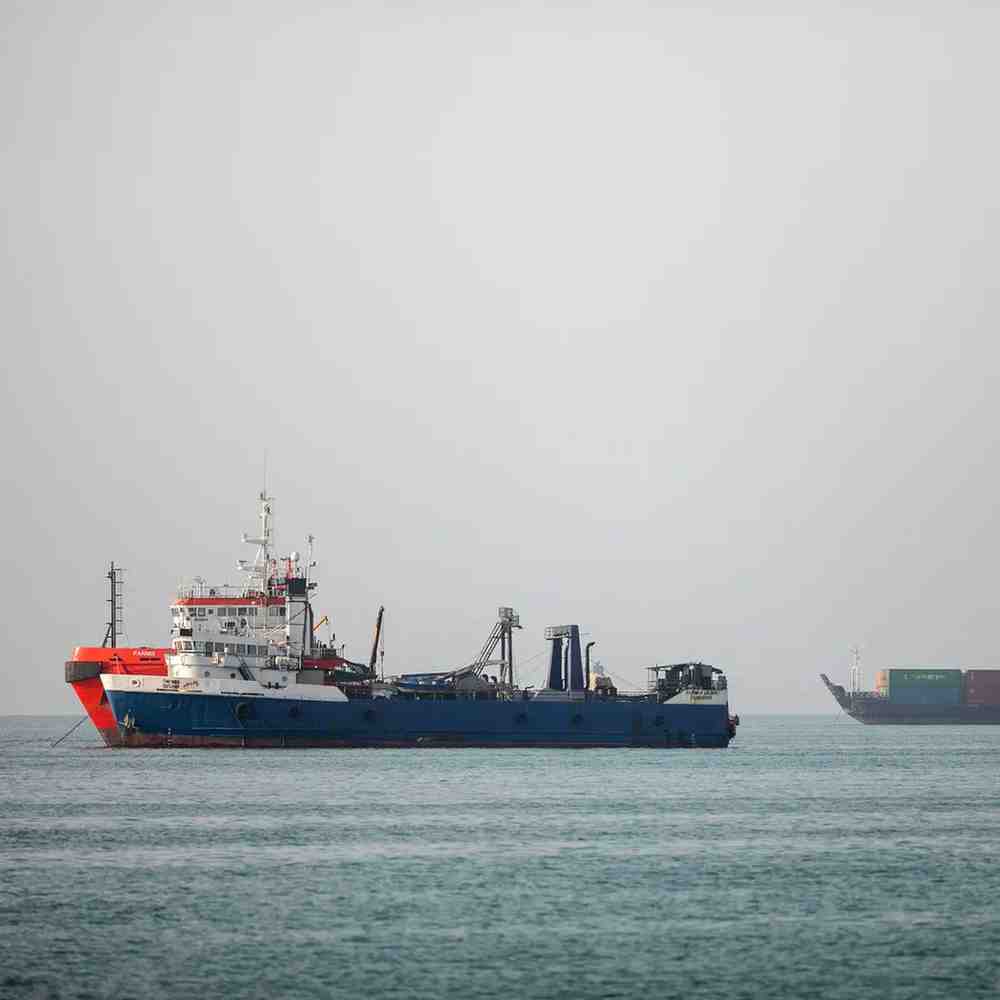
The Strait of Hormuz continues to dominate negotiations because of its strategic importance to global energy markets. The narrow waterway handles a substantial share of the world’s crude oil and liquefied natural gas shipments, making its uninterrupted operation essential for international trade.
Iran has maintained that it should receive international recognition of its authority over the strait and has proposed introducing transit tolls after an agreed grace period expires later this year. The United States, however, insists that the strait is an international shipping route where freedom of navigation must be preserved without additional charges imposed by Tehran.
American negotiators reportedly warned that pressing ahead with tolls could complicate efforts to secure sanctions relief and jeopardize progress toward a broader diplomatic settlement.
Nuclear Issue Deferred for Future Discussions
Although the nuclear programme remains the central issue in US-Iran relations, officials indicated that it was not the primary focus of the latest Doha meetings.
The discussions largely concentrated on technical matters arising from the interim understanding reached earlier, including maritime security, shipping arrangements through the Strait of Hormuz and the possible release of frozen Iranian financial assets.
US President Donald Trump nevertheless expressed optimism about future negotiations, saying the process of achieving Iran’s denuclearisation was moving in a positive direction and describing recent meetings as constructive. American officials have indicated that substantive nuclear negotiations are expected in subsequent rounds.
Frozen Assets and Sanctions Relief Under Discussion
Another significant topic during the Doha negotiations was the possible release of Iranian funds frozen abroad. While Iranian officials have suggested progress on this front, US representatives have been more cautious, declining to confirm that any agreement has been finalized.
Sanctions relief remains one of Tehran’s principal objectives, with Iranian negotiators arguing that meaningful economic recovery depends on easing restrictions imposed by Washington. The United States has linked any major sanctions relief to measurable progress on broader security concerns, including maritime stability and future nuclear commitments.
Qatar Continues to Play Key Mediating Role
The negotiations were conducted indirectly, with Qatari mediators facilitating communication between the two delegations. Pakistan also participated in supporting the diplomatic process, reflecting growing regional efforts to preserve the fragile ceasefire and prevent renewed military escalation.
Officials from Qatar said the discussions built upon previous diplomatic efforts and would continue after a brief pause. The next round of talks is expected following ceremonies related to Iran’s late Supreme Leader, with both sides leaving the door open for further negotiations.
Global Markets Closely Watching the Outcome
Energy markets remain highly sensitive to developments surrounding the Strait of Hormuz. Any disruption to shipping through the waterway has the potential to affect global oil prices and supply chains.
Recent optimism surrounding the diplomatic talks contributed to easing concerns in energy markets, with oil prices retreating as investors interpreted the continued dialogue as a sign that both countries remain committed to avoiding a wider conflict.
Despite persistent disagreements over maritime control, sanctions and the future nuclear framework, diplomats from both sides continue to pursue negotiations, suggesting that diplomacy remains the preferred path toward reducing tensions in the region.