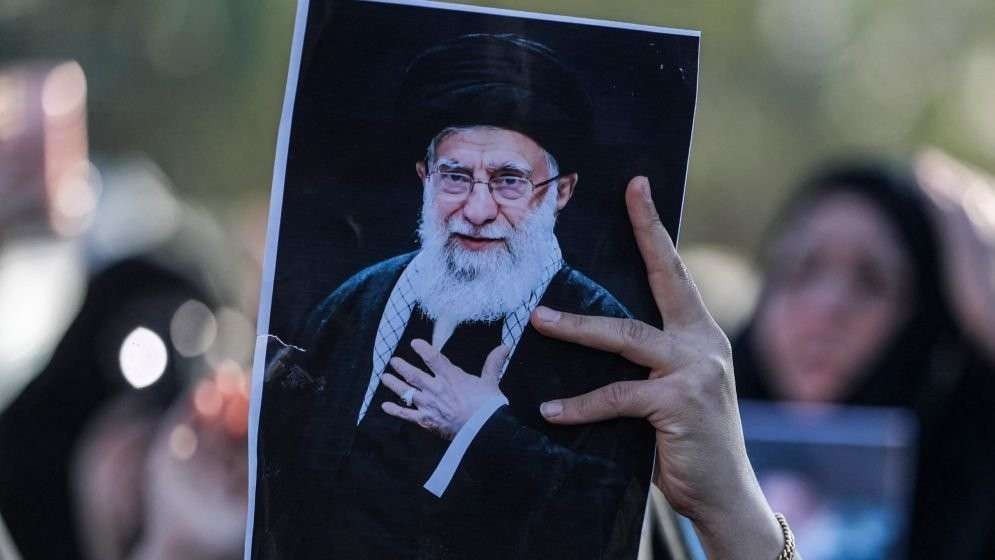
NEW DELHI: The Indian government has decided to send a high-level delegation to Iran to attend the funeral ceremonies of Iran’s late Supreme Leader, Ayatollah Ali Khamenei. The delegation will be led by Pabitra Margherita and Syed Ata Hasnain, reflecting New Delhi’s commitment to maintaining diplomatic engagement with Tehran during a significant moment in Iran’s political history.
Official Representation on Behalf of India
According to government and diplomatic sources, the two representatives will attend the funeral and related ceremonies on behalf of India. Their participation follows an official invitation extended by Iranian authorities to the Indian government after the passing of Ayatollah Ali Khamenei.
Although Narendra Modi had received an invitation to attend the funeral, the Prime Minister will not travel to Iran because of prior official commitments. Instead, the designated delegation will convey India’s condolences and represent the country’s solidarity with the Iranian people.
Funeral Ceremonies Across Iran
Iran has announced that the funeral ceremonies will be conducted over several days in multiple cities. Public mourning events are expected to begin in Tehran before continuing to the holy city of Qom. The final burial will take place in Mashhad, one of Iran’s most significant religious centres and the birthplace of Ayatollah Khamenei.
The multi-city arrangements are expected to attract political leaders, diplomats, and religious figures from across the world, making the event one of the most significant international gatherings hosted by Iran in recent years.
Why India’s Presence Matters
India and Iran share longstanding diplomatic, economic, and cultural ties. The two countries have cooperated in areas including energy, connectivity, regional security, and trade. India’s participation at the state funeral underscores its policy of maintaining balanced relations with countries across West Asia while respecting diplomatic protocol during major international events.
Officials believe that sending senior representatives ensures continuity in bilateral engagement despite the Prime Minister’s absence from the ceremony.
Experienced Representatives Chosen
Minister of State for External Affairs Pabitra Margherita has represented India at several international engagements and is expected to lead the diplomatic component of the delegation.
Governor Syed Ata Hasnain, a retired Lieutenant General of the Indian Army with extensive strategic and military experience, is also expected to play an important role during the visit. His presence is viewed as both a diplomatic and symbolic gesture reflecting India’s respect for the occasion.
Global Attention on the Funeral
The funeral is expected to draw delegations from numerous countries, with many governments sending ministers, senior diplomats, and special envoys. The event comes during a period of heightened geopolitical developments in West Asia, making international participation particularly significant.
Observers believe the gathering will also provide opportunities for diplomatic interactions among visiting delegations alongside the official mourning ceremonies.
India’s Diplomatic Approach
India has consistently pursued an independent foreign policy in West Asia, maintaining constructive relations with Iran while strengthening partnerships with other regional countries. By sending a senior delegation instead of the Prime Minister, New Delhi seeks to honour diplomatic traditions while balancing existing commitments.
The visit is expected to reaffirm India’s respect for Iran and its continued interest in preserving strong bilateral ties amid changing regional dynamics.
India’s decision to send Minister of State for External Affairs Pabitra Margherita and Bihar Governor Syed Ata Hasnain to represent the country at Ayatollah Ali Khamenei’s funeral reflects New Delhi’s pragmatic and balanced foreign policy. While Prime Minister Narendra Modi will not attend due to prior commitments, the appointment of senior representatives ensures that India conveys official condolences without diminishing the importance of the occasion.
From a foreign policy perspective, the move demonstrates India’s commitment to maintaining stable relations with Iran, a strategically important partner in West Asia. Despite evolving regional alliances and India’s expanding ties with countries such as Israel, Saudi Arabia, and the United States, New Delhi continues to pursue a multi-aligned diplomatic approach that avoids taking sides in regional rivalries.
The delegation also reinforces India’s long-term interests in regional stability, energy security, and connectivity initiatives involving Iran. By participating in the state funeral, India signals respect for diplomatic traditions while preserving avenues for future engagement with Tehran’s emerging leadership. Overall, the decision reflects continuity, strategic balance, and India’s emphasis on maintaining constructive relations with all key stakeholders in the region.