
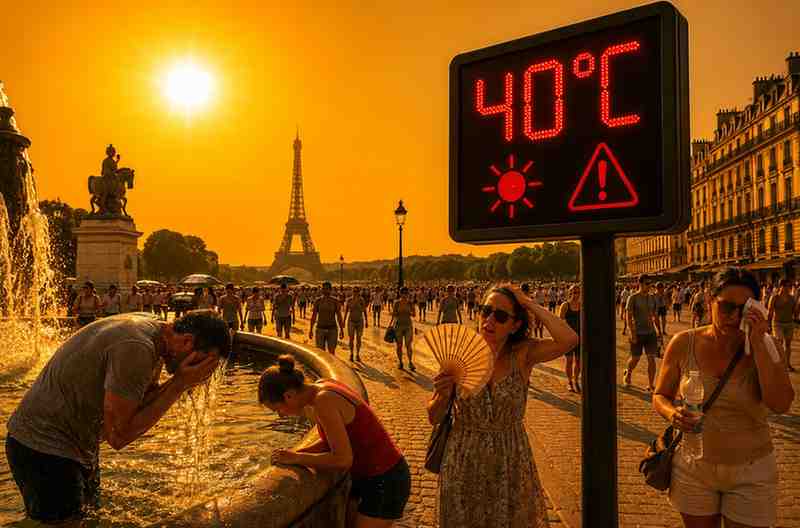
Europe Faces Deadly Heatwave
Europe is battling one of the most severe heatwaves in its recorded history as unprecedented temperatures continue to grip large parts of the continent. Several countries have experienced record-breaking heat, with France reporting nearly 1,000 excess deaths linked to the prolonged spell of extreme weather. The intense heat has affected millions of people, disrupted transportation, increased wildfire risks and placed enormous pressure on healthcare services.
France Records Nearly 1,000 Excess Deaths
French health authorities have confirmed that approximately 1,000 additional deaths have occurred since June 24 due to the ongoing heatwave. Most of the victims were elderly people over the age of 65 and individuals with pre-existing health conditions. Officials stated that the death toll may increase further as more data from hospitals and local authorities becomes available.
Hospitals across France have witnessed a sharp rise in patients suffering from dehydration, heatstroke and respiratory complications. Emergency medical teams have been working around the clock as authorities continue advising residents to stay indoors during the hottest hours of the day and drink plenty of water.
Temperature Records Broken Across Europe
The scorching weather has spread across Western and Central Europe, with temperatures crossing 40 degrees Celsius in several regions. Denmark registered its hottest day since official weather records began, while Germany, the Czech Republic and Switzerland also experienced new temperature records.
Meteorologists say the current heatwave is among the most widespread and intense events ever recorded in Europe, affecting millions of people simultaneously across several countries.
Transport and Infrastructure Under Pressure
The extreme heat has significantly disrupted transportation networks. Railway operators in France and Germany reported delays after railway tracks expanded under intense temperatures. Roads in several cities developed cracks and surface damage, forcing local authorities to impose speed restrictions and carry out emergency repairs.
Public transport services have also struggled to cope with soaring temperatures, while airports have taken precautionary measures to ensure passenger safety during the unusually hot conditions.
Healthcare Systems Under Strain
Hospitals and emergency departments throughout Europe have experienced a surge in heat-related illnesses. Medical experts have reported increasing numbers of patients suffering from heat exhaustion, dehydration and cardiovascular complications.
Governments have activated emergency response plans, opened cooling centres and issued health advisories urging people to avoid direct sunlight, remain hydrated and regularly check on elderly family members and neighbours.
Wildfire Threat Continues to Grow
The prolonged heat and dry weather have sharply increased the risk of wildfires across southern Europe. Firefighters remain on high alert as forests and grasslands have become highly vulnerable to ignition.
Authorities in several countries have deployed additional firefighting personnel and equipment to prevent small fires from spreading into large-scale disasters.
Energy and Water Resources Affected
The heatwave has also placed pressure on Europe’s energy and water infrastructure. High river temperatures and falling water levels have affected electricity generation at several power plants. Farmers are expressing concern over crop damage caused by prolonged dry conditions, while reservoirs and rivers continue to experience declining water levels.
Experts warn that if the heat persists, agriculture and water supplies may face additional challenges in the coming weeks.
Scientists Link Heatwave to Climate Change
Climate scientists have said that human-induced climate change has significantly increased both the frequency and intensity of extreme heat events across Europe. According to researchers, rising global temperatures have made prolonged and deadly heatwaves far more likely than they were just a few decades ago.
Meteorologists explain that a strong high-pressure weather system trapped hot air over Europe while drawing even hotter air from North Africa, creating exceptionally dangerous conditions across the continent.
Authorities Issue Public Safety Warnings
Governments across Europe continue urging residents to take precautions as temperatures remain dangerously high. Citizens have been advised to stay indoors during peak afternoon hours, drink sufficient water, wear light clothing and avoid unnecessary outdoor activities.
Officials are also encouraging communities to regularly check on elderly people, children and those with chronic medical conditions, who remain the most vulnerable during extreme heat events.
Climate Challenges Become Increasingly Visible
The latest heatwave serves as another reminder of the growing challenges posed by climate change. Scientists warn that unless greenhouse gas emissions are significantly reduced and climate adaptation measures are strengthened, Europe is likely to witness more frequent and more intense heatwaves in the future.
Governments are expected to accelerate investments in climate-resilient infrastructure, early warning systems and public health preparedness as extreme weather events become increasingly common.