A 5.6-magnitude earthquake struck off the coast of Venezuela’s Aragua region on Sunday, adding to the anxiety of a nation still grappling with the aftermath of one of its worst natural disasters in recent history. The latest tremor occurred just days after two powerful earthquakes devastated large parts of northern Venezuela, causing widespread destruction and a mounting humanitarian crisis.
According to the European-Mediterranean Seismological Centre (EMSC), the earthquake occurred offshore at a relatively shallow depth, making it strongly felt in nearby coastal areas. Although there were no immediate reports of major damage or casualties from the latest quake, authorities continued to monitor the situation due to fears of additional aftershocks.
Recovery Efforts Face Fresh Challenge
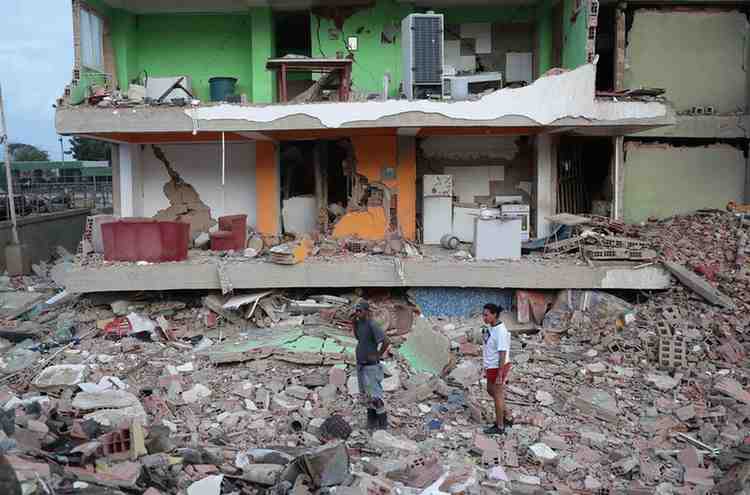
The fresh seismic activity comes as emergency teams remain engaged in rescue and recovery operations following the catastrophic twin earthquakes that struck Venezuela on June 24. Those powerful earthquakes measured 7.2 and 7.5 in magnitude and caused extensive destruction across several regions, particularly La Guaira and parts of Caracas.
Officials have confirmed that the earlier disaster has claimed the lives of at least 1,430 people, while more than 3,200 others have been injured. Thousands of families have lost their homes, and many communities continue to face shortages of food, clean drinking water, medical supplies and temporary shelter.
Search for Survivors Continues
Search-and-rescue operations remain underway across the worst-affected areas, where emergency workers, volunteers and international rescue teams are attempting to locate survivors trapped beneath collapsed buildings.
Rescue personnel are using heavy machinery, sniffer dogs and specialized equipment to clear debris, although difficult conditions and repeated aftershocks continue to complicate operations. Officials warn that every new tremor increases the risk for both survivors and rescue workers operating near unstable structures.
Public Anxiety Remains High
Residents across northern Venezuela reported feeling the latest earthquake, with many people rushing outdoors as buildings shook. The repeated seismic activity has heightened fear among communities already traumatized by the earlier disaster.
Many families remain reluctant to return to damaged homes, preferring to stay in temporary shelters or open spaces until engineers complete structural safety assessments. Authorities have urged residents to remain alert and follow emergency advisories in case of further aftershocks.
Humanitarian Situation Worsens
The continuing earthquakes have placed enormous pressure on Venezuela’s emergency response system. Relief agencies say thousands of displaced families urgently require humanitarian assistance, including food, medicine, sanitation facilities and psychological support.
International aid has begun arriving from several countries, while humanitarian organizations continue coordinating relief operations to assist affected communities. However, logistical challenges and damaged infrastructure have slowed the distribution of essential supplies.
Experts Warn About Aftershocks
Seismologists have cautioned that significant aftershocks remain possible following such major earthquakes. Experts explain that large seismic events often trigger numerous smaller tremors over days or even weeks as tectonic stress gradually redistributes.
Although the latest 5.6-magnitude earthquake may be classified as an aftershock linked to the earlier seismic sequence, scientists continue closely monitoring activity across the region for any signs of further instability.
Government Response
Venezuelan authorities have maintained emergency operations across the affected regions, deploying rescue teams, medical personnel and disaster management officials. Damage assessments are continuing as engineers inspect roads, bridges, hospitals and residential buildings affected by the earlier earthquakes.
Officials have appealed for continued public cooperation and advised citizens to avoid damaged structures until safety inspections are completed. Emergency services also continue monitoring coastal areas following the offshore tremor.
Outlook
While the latest earthquake did not immediately cause major additional destruction, it has served as another reminder of the fragile situation facing Venezuela. Thousands remain displaced, rescue teams continue searching for survivors, and communities are struggling to recover from one of the country’s deadliest natural disasters in decades.
Authorities and humanitarian organizations remain focused on rescue operations, relief distribution and long-term recovery, while seismologists continue monitoring the region for further seismic activity.