CARACAS: Venezuela is grappling with one of the deadliest natural disasters in its recent history after two massive earthquakes struck the country within seconds of each other, leaving at least 164 people dead, 971 injured, and triggering more than 30 aftershocks. Rescue teams continue searching through collapsed buildings as authorities warn that the casualty count could rise further.
Twin Earthquakes Strike Within Seconds
According to seismic monitoring agencies, the disaster began when a magnitude 7.2 earthquake struck western Venezuela. Just 39 seconds later, a stronger magnitude 7.5 earthquake hit nearby, creating what experts described as a rare “seismic doublet” event. The tremors were felt across large parts of the country, including the capital city of Caracas.
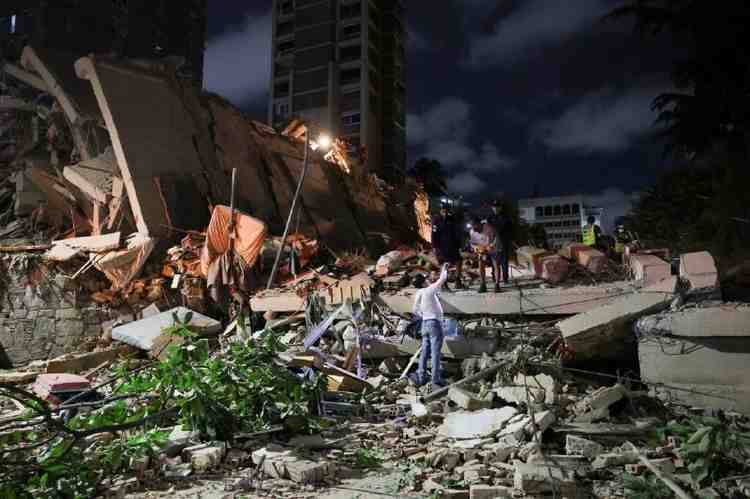
The powerful back-to-back earthquakes caused widespread panic, sending residents rushing out of homes, offices, shopping centers, and public buildings. Several structures suffered severe damage, while many others collapsed entirely under the force of the tremors.
Death Toll Rises Sharply
Initial reports indicated dozens of deaths and hundreds of injuries. However, as rescue teams gained access to devastated areas, officials confirmed that the death toll had climbed to 164, with 971 people injured. Authorities fear that many more victims may still be trapped beneath debris in heavily affected regions.
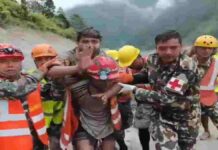
Emergency responders are continuing round-the-clock operations, using heavy machinery, search dogs, and specialized rescue equipment to locate survivors. Hospitals in affected regions have been overwhelmed by the influx of injured residents.
More Than 30 Aftershocks Recorded
The earthquakes were followed by an intense sequence of aftershocks, increasing fears among residents and complicating rescue efforts. Officials reported that more than 30 aftershocks had been recorded in the hours following the main earthquakes, while some reports indicated over 20 significant tremors shortly after the disaster.
Experts warned that additional aftershocks remain possible and urged residents to stay away from damaged structures that could collapse unexpectedly.
Caracas and La Guaira Among Worst-Hit Areas
The capital city of Caracas experienced extensive destruction. Residential buildings, commercial complexes, and public infrastructure suffered severe damage. Videos circulating on social media showed collapsed walls, shattered windows, and debris scattered across streets.
The coastal region of La Guaira emerged as one of the hardest-hit areas. Numerous buildings were either destroyed or rendered unsafe, while roads and utility networks sustained significant damage. Rescue workers faced challenges accessing some neighborhoods due to blocked roads and unstable structures.
Airport and Transport Services Disrupted
The earthquakes also affected key transportation infrastructure. Parts of Simón Bolívar International Airport reportedly suffered structural damage, forcing authorities to suspend operations temporarily. Metro and rail services in several regions were halted as engineers assessed tracks, stations, and tunnels for safety concerns.
Communication networks experienced intermittent disruptions, making it difficult for families to contact loved ones in the immediate aftermath of the disaster.
Government Declares State of Emergency
In response to the catastrophe, Acting President Delcy Rodríguez declared a nationwide state of emergency and mobilized government resources for rescue and relief operations. Authorities urged citizens to remain calm, avoid damaged buildings, and follow safety instructions issued by emergency agencies.
Schools were closed, non-essential services suspended, and emergency shelters established for displaced families. Medical teams were deployed across affected regions to provide urgent treatment and assistance.
International Support Begins Arriving
Several countries and international organizations quickly offered assistance. The United States, Germany, China, Mexico, and other nations pledged humanitarian aid, medical supplies, and specialized search-and-rescue teams. The European Union also activated satellite monitoring systems to assist in damage assessment and recovery planning.
Global leaders expressed solidarity with Venezuela as the country confronts the aftermath of the devastating disaster.
One of Venezuela’s Strongest Earthquakes in More Than a Century
Seismologists described the event as one of the most powerful earthquakes to strike Venezuela since the early 1900s. The unusual nature of the twin quakes, combined with their shallow depth and proximity to populated areas, contributed significantly to the scale of destruction.
The United States Geological Survey warned that the final death toll could increase substantially as rescue operations continue and more information emerges from affected regions.
Rescue Operations Continue
As night falls across devastated communities, rescue crews remain at work searching for survivors trapped beneath collapsed buildings. Families wait anxiously for news of missing relatives, while emergency workers race against time amid the ongoing threat of aftershocks.
The tragedy has left Venezuela mourning hundreds of victims while highlighting the immense challenge of recovery in the days and weeks ahead. Authorities have appealed for national unity and international cooperation as the country confronts one of the worst seismic disasters in its modern history.