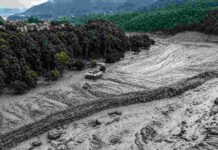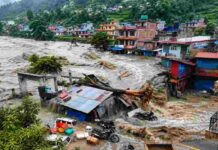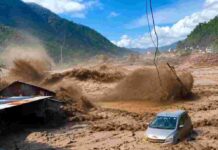
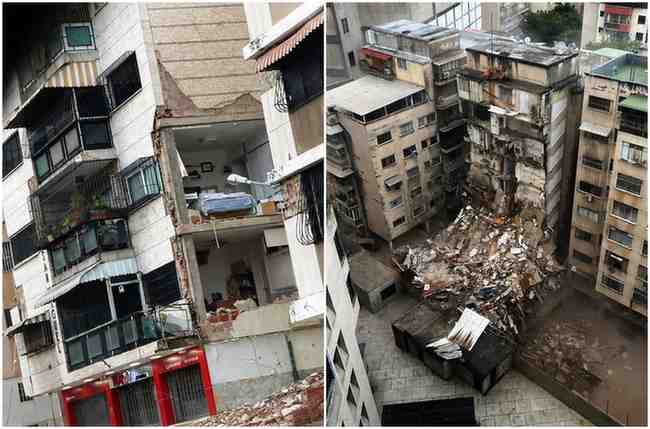
Venezuela is grappling with one of its worst natural disasters in more than a century after two powerful earthquakes struck the country on June 24, leaving at least 32 people dead and over 700 injured. The twin tremors caused widespread destruction across the capital Caracas and several surrounding regions, triggering emergency rescue operations and prompting international offers of assistance.
According to reports from the U.S. Geological Survey (USGS), the first earthquake measured 7.2 in magnitude and struck west of Caracas. Less than a minute later, a stronger 7.5-magnitude quake hit the same region, intensifying the devastation. The back-to-back tremors were among the strongest recorded in Venezuela in over a century.
Extensive Damage Across the Country
The earthquakes caused dozens of buildings to collapse, trapping residents beneath rubble and forcing thousands to flee their homes. Authorities reported severe structural damage in Caracas, La Guaira, Carabobo, Aragua, Miranda, and Falcón states. Rescue teams worked through the night searching for survivors amid the wreckage.
Interim President Delcy Rodríguez confirmed that at least 32 people had lost their lives and more than 700 others were injured. Officials warned that the casualty count could rise further as emergency responders continue to reach heavily affected areas. Some of the worst damage was reported in La Guaira state, home to the country’s main international airport.
State of Emergency Declared
In response to the disaster, the Venezuelan government declared a nationwide state of emergency. Authorities mobilized emergency services, military personnel, and disaster response teams to assist affected communities. Schools were closed and some educational institutions were converted into temporary shelters for displaced residents.
The country’s main international gateway, Simón Bolívar International Airport, suffered significant damage and was temporarily shut down. Public transportation services were also disrupted, while gas supplies were suspended in some areas as a precautionary measure to prevent accidents.
Panic and Fear Among Residents
Eyewitnesses described scenes of panic as buildings shook violently and residents rushed into the streets. Many families spent the night outdoors fearing aftershocks and further building collapses. Videos shared on social media showed damaged buildings, debris-covered roads, and emergency personnel conducting rescue operations.
Authorities reported multiple aftershocks following the main quakes, adding to concerns among residents already traumatized by the disaster. Emergency officials urged people to remain vigilant and follow safety instructions while rescue efforts continue.
International Community Responds
Messages of support and offers of assistance poured in from around the world following the catastrophe. U.S. President Donald Trump expressed condolences to the Venezuelan people and said the United States was “ready, willing, and able to help” the country during the crisis. U.S. officials subsequently announced the deployment of search teams, medical resources, and humanitarian aid.
India also extended its support. Prime Minister Narendra Modi expressed deep sorrow over the loss of life and destruction caused by the earthquakes. In a message of solidarity, he conveyed condolences to the victims’ families and stated that India stands ready to provide all possible assistance to Venezuela during relief and recovery efforts.
Several other nations, including countries from Latin America and beyond, have also offered humanitarian support, rescue personnel, and emergency supplies. Venezuelan authorities welcomed the international response as they continue to assess the scale of the disaster.
Rescue Operations Continue
Emergency workers remain engaged in intensive search-and-rescue missions across affected areas. Specialized teams are using heavy equipment and rescue dogs to locate people trapped beneath collapsed structures. Hospitals in Caracas and nearby regions are treating hundreds of injured victims, while medical facilities have been placed on high alert.
Experts have warned that the final death toll could be significantly higher, as many areas remain difficult to access and assessments are still underway. The USGS has indicated the potential for extensive casualties and economic losses due to the scale of the seismic event.
A Nation Faces a Long Recovery
As Venezuela begins to assess the full extent of the destruction, attention is turning toward recovery and reconstruction. With damaged infrastructure, displaced residents, and ongoing aftershocks, authorities face a challenging task in restoring normalcy. The coming days will be critical as rescue efforts continue and international aid starts reaching affected communities.
The devastating earthquakes have left the nation mourning dozens of lives while highlighting the importance of global cooperation during times of humanitarian crisis. For now, Venezuela remains focused on rescuing survivors, supporting victims, and rebuilding from one of the most powerful earthquakes in its recent history.