Iran, the United States and mediating nations Qatar have concluded a new round of technical negotiations in Switzerland and reached an understanding on the framework for future talks aimed at securing a comprehensive agreement between Tehran and Washington.
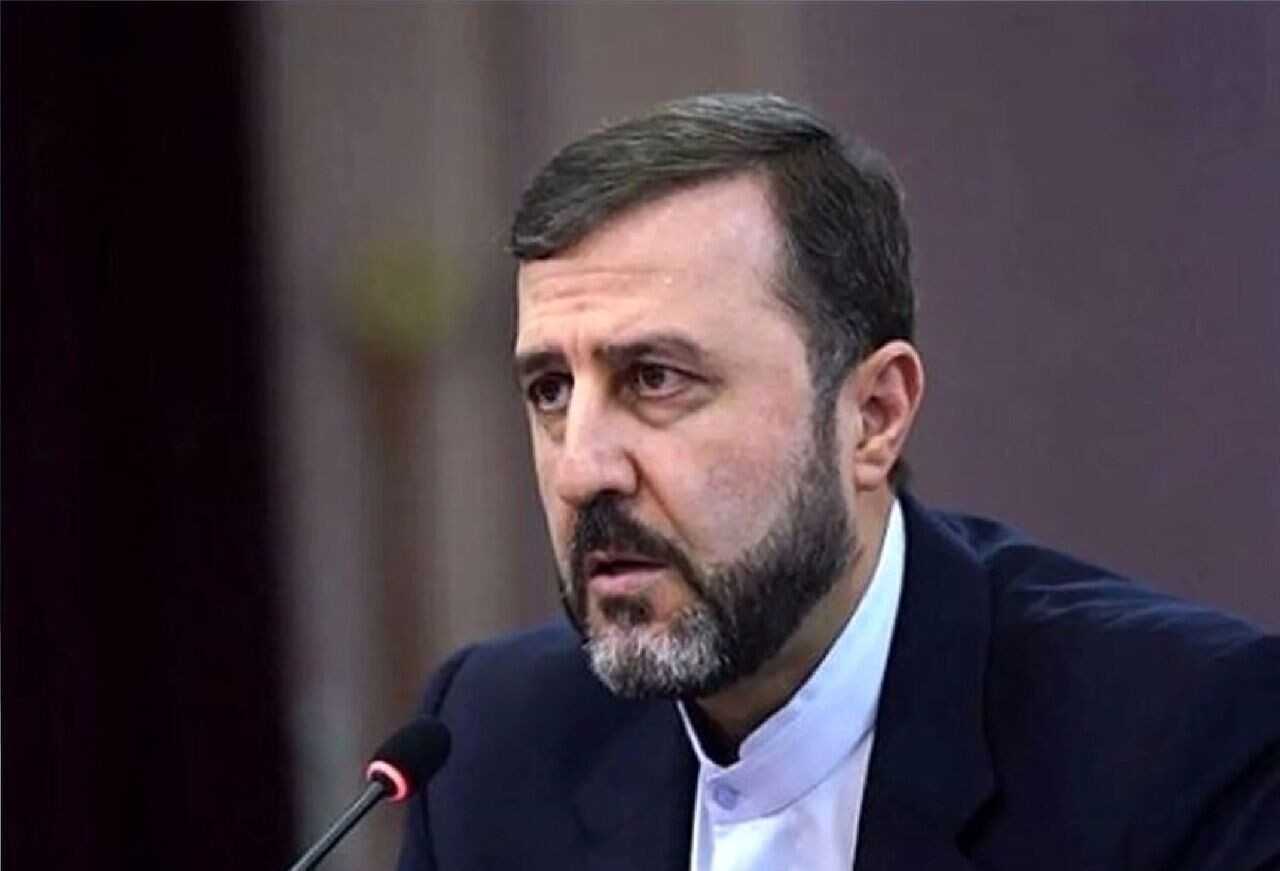
The announcement was made by Iranian Deputy Foreign Minister for Legal and International Affairs Kazem Gharibabadi, late on Monday following several days of intensive discussions in Bürgenstock, Switzerland.
The negotiations come after a high-level meeting held on Sunday, where representatives from the four countries discussed implementing a memorandum of understanding (MoU) previously signed by the presidents of Iran and the United States on June 18.
Technical Talks Lay Foundation for Final Agreement
According to Iranian officials, the technical negotiations focused on transforming broad political commitments into practical mechanisms that can be implemented over the coming weeks.
Gharibabadi stated that negotiators successfully finalized key procedures related to the implementation of both the memorandum of understanding and the joint statement released after the high-level meeting.
The discussions are part of a larger diplomatic effort to create a permanent framework for resolving long-standing disputes surrounding Iran’s nuclear activities and international sanctions imposed on the country.
Iranian officials described the talks as productive, saying both sides reached the necessary understandings to move forward toward a comprehensive settlement.
60-Day Roadmap Agreed Upon
One of the major outcomes of Sunday’s high-level discussions was an agreement to establish a roadmap that aims to achieve a final agreement within 60 days. The timeline reflects renewed momentum in diplomatic relations after years of tensions between Tehran and Washington.
Officials agreed that technical negotiations would continue throughout the week in Bürgenstock to address practical aspects of implementation.
The roadmap is expected to guide both countries through a series of stages, including sanctions relief measures, nuclear commitments, economic cooperation initiatives and monitoring mechanisms.
Diplomatic observers believe the structured timeline is designed to maintain momentum and prevent future delays in negotiations.
Focus on Ending Conflict and Reducing Tensions
The memorandum of understanding reportedly emphasizes ending hostilities and establishing long-term stability.
According to Iranian officials, the agreement seeks to permanently end the conflict initiated by the United States and Israel against Iran in late February.
The document also provides a framework for broader discussions concerning Iran’s nuclear programme and the removal of economic restrictions that have significantly affected the country’s economy over recent years.
While many details remain confidential, officials indicated that both sides are attempting to move beyond confrontation and establish a more sustainable diplomatic relationship.
US Issues General License for Iranian Oil Exports
Another significant development involves economic measures linked to sanctions relief.
Gharibabadi revealed that negotiations addressed the issuance of a general licence permitting the sale of Iranian crude oil, petrochemical products and refined petroleum products.
The licence also authorizes related commercial services associated with these exports.
According to Iranian officials, the US side has already issued the general licence, representing one of the earliest concrete outcomes of the recent negotiations.
The move could provide substantial economic benefits to Iran by reopening channels for energy exports and increasing access to international markets. Energy analysts say expanded oil exports could strengthen Iran’s economy while contributing additional supplies to global energy markets.
Release of $12 Billion in Frozen Assets
The negotiations also produced an agreement regarding Iran’s frozen overseas assets. Iranian officials said that $12 billion in frozen funds will be released immediately under a two-stage process.
The total amount will be divided into two separate tranches of $6 billion each. These assets have remained inaccessible due to years of sanctions and international restrictions imposed on Iran’s financial sector.
The release of these funds is expected to provide Tehran with additional resources for domestic development projects and economic stabilization efforts.
However, observers note that implementation details and oversight mechanisms will be critical to ensuring transparency and maintaining confidence among all parties involved.
High-Level Committee to Oversee Future Negotiations
Future negotiations will operate under a newly established High-Level Committee. According to Gharibabadi, the committee will include senior political leaders from all participating countries.
The structure will involve Iran’s parliament speaker and foreign minister, the US vice president and the prime ministers of Pakistan and Qatar. The inclusion of top political figures is intended to accelerate decision-making and provide direct oversight over complex negotiations.
Analysts believe such a high-level structure could reduce bureaucratic delays and strengthen accountability throughout the process.
Four Working Groups Established
Negotiators also agreed to create four specialized working groups to address key areas of cooperation.
These groups will focus on:
1. Sanctions Relief: Examining the gradual removal and implementation of economic restrictions.
2. Nuclear Issues: Addressing technical aspects of Iran’s nuclear programme and future commitments.
3. Reconstruction and Economic Development: Identifying opportunities for economic cooperation, investment and rebuilding efforts.
4. Implementation and Oversight: Monitoring progress and ensuring all parties comply with agreed commitments.
Gharibabadi said the technical delegation leaders from each participating country will supervise these groups and coordinate their activities.
Diplomatic Momentum Builds
The latest developments mark one of the most significant diplomatic breakthroughs between Iran and the United States in recent years.
Although many challenges remain before a final agreement can be reached, the establishment of timelines, working groups and implementation mechanisms signals a more structured approach to resolving longstanding disputes.
International observers will closely monitor whether both sides can maintain the current momentum and successfully convert preliminary understandings into a durable agreement that benefits regional stability and global security.
The coming 60 days are expected to play a decisive role in determining whether these negotiations ultimately lead to a comprehensive and lasting diplomatic settlement.