LONDON: Sir Keir Starmer has resigned as Prime Minister of the United Kingdom, bringing an abrupt end to a government that entered office in 2024 with one of the largest parliamentary majorities in modern British history. His departure comes amid growing dissatisfaction within the governing Labour Party, poor election performances and increasing pressure from lawmakers demanding a change in leadership.
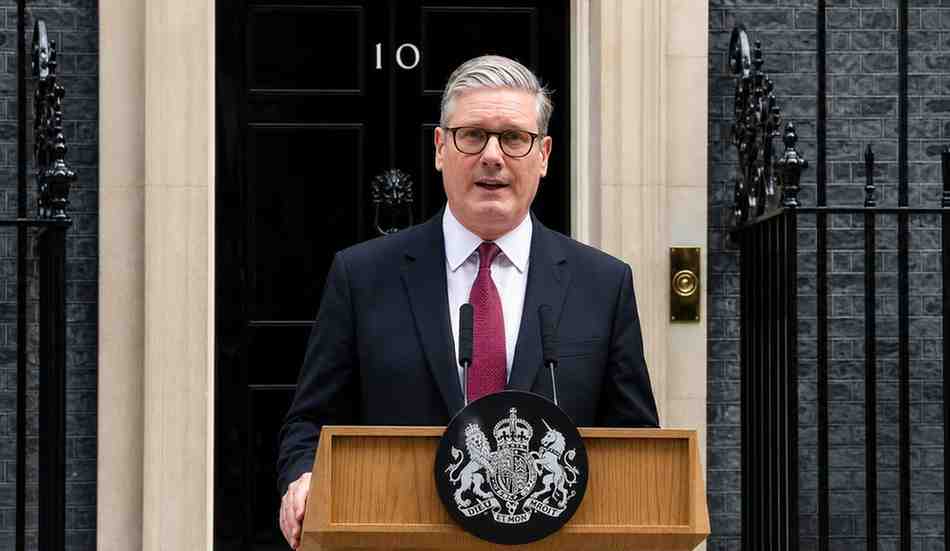
Starmer confirmed his decision on Monday in a statement outside 10 Downing Street, saying he had listened to the concerns of his parliamentary party and accepted that many members no longer believed he was the right person to lead Labour into the next general election. He pledged to remain in office during a transition period until a successor is formally chosen.
Dramatic End to a Historic Victory
When Labour won the 2024 general election, Starmer was widely credited with restoring the party’s electoral fortunes after years in opposition. His campaign focused on stability, economic recovery and rebuilding public trust after a turbulent period under successive Conservative governments.
However, despite his overwhelming parliamentary majority, his government struggled to maintain momentum. Critics inside and outside Labour increasingly accused him of lacking a clear ideological vision and changing positions on major policy issues.
Several Labour lawmakers reportedly became frustrated by what they viewed as indecisive leadership and a failure to establish a strong narrative for Britain’s future.
What Triggered the Resignation?
A series of events contributed to Starmer’s downfall.
Poor Local Election Results
Labour suffered significant setbacks during local elections earlier this year, losing seats across several regions and raising concerns about the party’s popularity ahead of future national elections. These losses intensified calls for new leadership.
Internal Party Rebellion
Growing discontent among Labour MPs became increasingly public. Several ministers and influential figures reportedly questioned Starmer’s ability to lead the party into another election cycle.
Rise of Political Rivals
The growing popularity of Reform UK under Nigel Farage and the return of Andy Burnham to national politics further complicated Starmer’s position. Burnham is now considered one of the leading contenders to replace him.
Starmer’s Emotional Farewell
During his resignation speech, Starmer became emotional while thanking his family, particularly his wife Victoria, whom he described as his strongest supporter throughout his political journey. He said he intends to dedicate more time to his family after leaving the country’s top office.
He also expressed gratitude to government staff, civil servants and party colleagues who had worked alongside him over the past several years.
Despite stepping aside, Starmer defended several achievements of his government and insisted that his decisions were always guided by what he believed was best for the country.
Who Could Become the Next Prime Minister?
The resignation immediately triggers a Labour Party leadership race.
Andy Burnham, the former Mayor of Greater Manchester, has emerged as the early favourite. Other prominent Labour politicians may also enter the contest as nominations open in July.
The Labour Party has indicated that a new leader could be installed before Parliament returns from its summer recess in September.
The leadership battle will determine who becomes Britain’s seventh Prime Minister in a decade, underlining a prolonged period of political instability in the country.
Challenges Awaiting the Next Leader
Whoever succeeds Starmer will inherit significant challenges, including:
- Reviving economic growth.
- Tackling the ongoing cost-of-living crisis.
- Reforming public services such as the National Health Service.
- Addressing immigration concerns.
- Countering the rise of Reform UK and rebuilding voter confidence.
The next leader will also need to reunite Labour’s various internal factions while preparing for a highly competitive future election landscape.
A Turning Point for British Politics
Starmer’s resignation marks another extraordinary chapter in Britain’s recent political history. Since the Brexit referendum in 2016, the United Kingdom has experienced repeated changes in leadership, reflecting deep shifts in voter sentiment and growing frustration with traditional political institutions.
His departure demonstrates how rapidly political fortunes can change, even after a landslide election victory. The coming weeks will determine whether Labour can stabilise itself or whether Britain is heading into another period of uncertainty.