
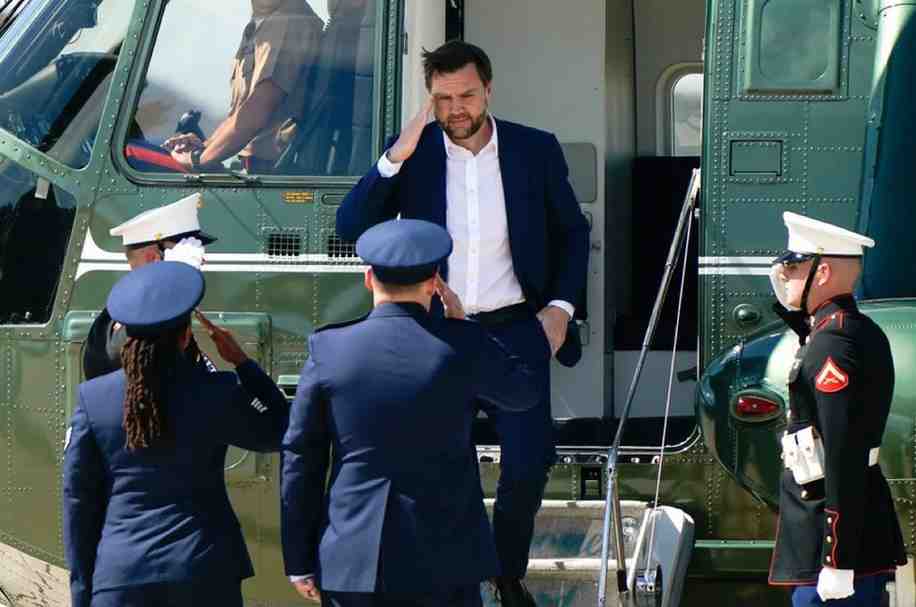
The US Vice President JD Vance arrived in Switzerland on Sunday to formally launch a fresh round of high-stakes negotiations with Iranian officials aimed at advancing a broader agreement on Iran’s nuclear programme and easing tensions across the Middle East. The talks come at a sensitive time as disputes surrounding the Strait of Hormuz and ongoing instability in Lebanon continue to complicate diplomatic efforts.
Switzerland Becomes New Diplomatic Hub
The discussions are expected to take place over the next few days, bringing together senior representatives from both nations alongside mediators from Pakistan and Qatar.
Vance is leading the American delegation alongside special envoy Steve Witkoff and other senior officials. Iranian negotiators have also arrived with the goal of finalising technical details of a broader understanding reached earlier this month.
Speaking before his departure, Vance expressed cautious optimism about the negotiations but acknowledged that significant challenges remain.
Strait of Hormuz Dispute Overshadows Negotiations
One of the biggest concerns hanging over the talks is the situation in the Strait of Hormuz.
Iran recently claimed it had imposed restrictions on the strategic waterway, a move that could severely disrupt global energy supplies. However, the United States has disputed those claims, maintaining that commercial traffic continues to pass through the route normally under military monitoring.
The disagreement has created uncertainty in international energy markets and increased pressure on negotiators to secure a breakthrough.
The Strait of Hormuz is among the world’s most important energy corridors, carrying a substantial share of global oil exports every day. Any disruption can have immediate consequences for fuel prices and global trade.
Main Agenda of the Switzerland Talks
Several major issues are expected to dominate the discussions:
Iran’s Nuclear Programme
Negotiators will focus on creating a technical framework for limiting Iran’s nuclear activities and strengthening international oversight mechanisms.
Maritime Security
Ensuring uninterrupted navigation through the Strait of Hormuz remains a top priority for the United States and its allies.
Regional Stability
The ongoing violence involving Israel and Hezbollah in Lebanon has become another key issue that could influence the success of the negotiations.
Building Long-Term Trust
Both countries are attempting to establish confidence-building measures that could pave the way for a more comprehensive agreement in the future.
Lebanon Conflict Creates Additional Challenges
Despite diplomatic momentum, recent clashes between Israeli forces and Hezbollah have cast a shadow over the negotiations.
Violence in southern Lebanon previously delayed scheduled meetings, forcing both sides to reconsider their timelines before eventually agreeing to resume discussions in Switzerland.
Iran has repeatedly linked its participation in talks to progress on reducing regional tensions.
Qatar Plays Mediating Roles
Qatar is emerging as important facilitators in the diplomatic process. Officials from both countries are helping bridge communication gaps between Washington and Tehran while encouraging both sides to remain committed to negotiations.
Why These Talks Matter Globally
The outcome of the Switzerland discussions could have far-reaching consequences beyond the Middle East.
Successful negotiations may help:
- Stabilise global oil prices
- Reduce geopolitical tensions
- Protect international shipping routes
- Improve energy security
- Prevent further regional escalation
Uncertain But Important Diplomatic Mission
JD Vance’s arrival in Switzerland marks one of the most significant diplomatic assignments of his tenure as US Vice President.
Although expectations remain cautious, global leaders and financial markets will be watching closely to see whether diplomacy can overcome deep-rooted mistrust and prevent further instability in the region.
The Switzerland talks may not deliver an immediate breakthrough, but they could shape the future direction of US-Iran relations and influence security dynamics across the Middle East for years to come.
JD Vance’s arrival in Switzerland signals Washington’s preference for diplomacy despite escalating tensions over the Strait of Hormuz. The talks are crucial because any disruption in the strategic waterway could destabilise global energy markets and deepen Middle East instability.
However, decades of mistrust between the US and Iran, coupled with ongoing regional conflicts, mean that achieving a lasting agreement will require significant compromises from both sides.