
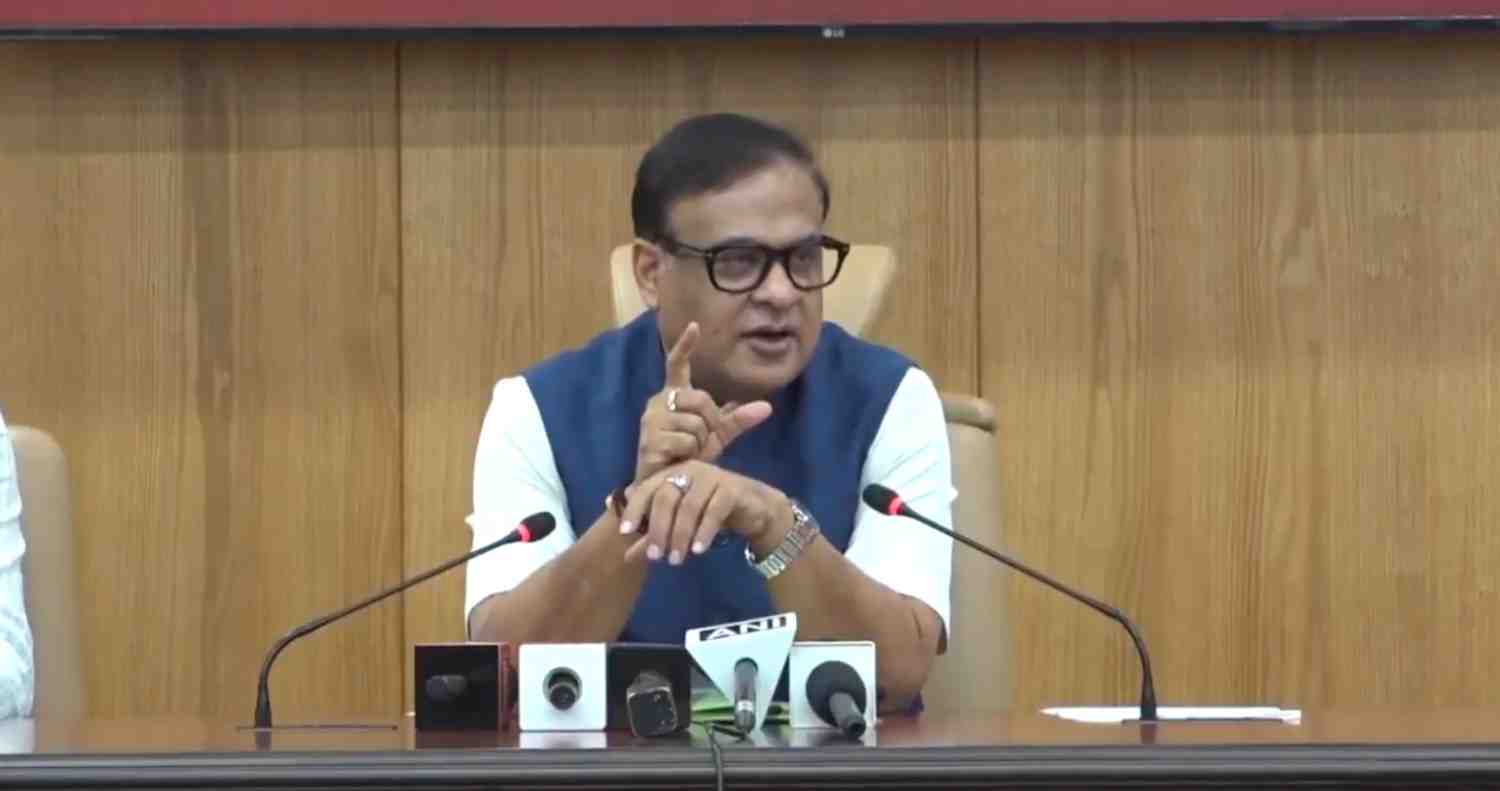
GUWAHATI: In a significant policy decision, the Assam Cabinet has approved restrictions on the issuance of new Aadhaar cards to individuals above 18 years of age. Chief Minister Himanta Biswa Sarma announced that the move is aimed at preventing illegal immigrants from obtaining Aadhaar and using it as a basis for accessing government benefits and other official documentation.
According to the Chief Minister, the state government believes stricter verification measures are necessary because Assam shares an international border with Bangladesh and has long faced concerns over illegal immigration. The government argues that tighter controls on Aadhaar enrolment will strengthen identity verification mechanisms and help detect fraudulent applications.
Under the new framework, Aadhaar cards will generally not be issued to first-time applicants above the age of 18. However, certain categories have been given temporary exemptions. People belonging to Scheduled Tribes (ST), Scheduled Castes (SC), tea garden communities, and some other vulnerable groups will continue to receive Aadhaar cards for a limited period, as authorities say a section of these populations is yet to complete enrolment.
The Chief Minister clarified that Aadhaar enrolment for children and individuals below 18 years of age will continue without interruption. The restrictions are focused specifically on adult first-time applicants, whom the government considers a higher-risk category for identity-related fraud and illegal infiltration concerns.
Officials indicated that the policy is part of a broader effort to strengthen documentation and citizenship verification processes in the state. The Assam government has repeatedly expressed concerns that illegal immigrants may attempt to obtain Aadhaar cards and other identity documents to establish residency claims. The latest decision is intended to create additional layers of scrutiny before such documents are issued.
The move follows earlier measures introduced by the state government to tighten Aadhaar enrolment procedures. In previous policy changes, adult Aadhaar applications were subjected to enhanced verification and approvals through district-level authorities. The government had also cited unusually high Aadhaar saturation figures in Assam as a reason for increasing scrutiny of new adult applications.
Chief Minister Sarma stated that the objective is not to deny legitimate citizens access to Aadhaar but to ensure that identity documents are not misused. He maintained that the government remains committed to providing necessary documentation to eligible residents while simultaneously addressing security and demographic concerns.
The decision is expected to generate political debate, with supporters arguing that stricter verification is necessary in a border state, while critics may raise concerns regarding access to identity documents for genuine residents who have not yet enrolled. Aadhaar remains one of the most widely used identity documents in India and is linked to numerous welfare schemes, banking services, and government programmes. As a result, the implementation of the new policy will be closely watched in the coming months.
From the Assam government’s perspective, the decision reflects an attempt to strengthen identity verification and protect the integrity of public welfare systems. Supporters of the move argue that stricter Aadhaar issuance norms could reduce the possibility of fraudulent enrolment, improve the accuracy of official records, and enhance national security in a sensitive border region. If implemented transparently and with adequate safeguards for genuine citizens, the policy could serve as a model for balancing welfare delivery with stronger documentation standards. At the same time, ensuring that legitimate residents are not inconvenienced will be crucial for the long-term success and public acceptance of the initiative.