India and Uzbekistan have taken a major step towards strengthening cooperation in nuclear energy, with the two countries announcing a long-term arrangement for uranium supplies during Prime Minister Narendra Modi’s visit to Tashkent.
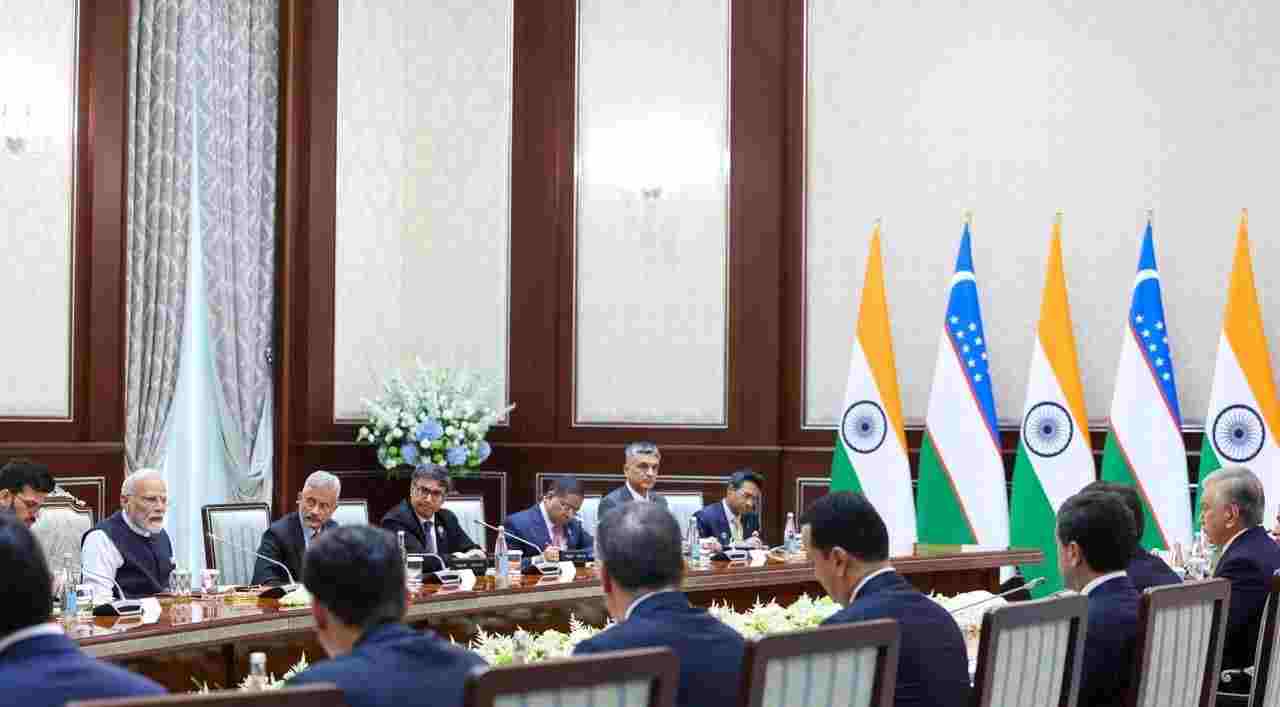
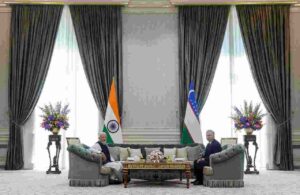
The announcement came during delegation-level talks between Prime Minister Modi and Uzbek President Shavkat Mirziyoyev at the Kuksaroy Presidential Palace on Sunday. The agreement is being viewed as an important development for India’s long-term energy security as New Delhi continues efforts to expand nuclear power and diversify its sources of nuclear fuel.
The uranium arrangement was among the key outcomes of Modi’s two-day state visit to Uzbekistan, which has focused on expanding bilateral cooperation across strategic and emerging sectors.
Long-term uranium supply to strengthen India’s nuclear ambitions
Prime Minister Modi announced that India and Uzbekistan would establish a long-term framework for uranium supplies. While details regarding the volume, duration and commercial structure of the arrangement were not immediately disclosed, the move is significant for India’s growing nuclear energy requirements.
India has been seeking to expand its nuclear power capacity as part of its broader strategy to meet rising electricity demand while reducing dependence on fossil fuels. Stable access to nuclear fuel is therefore an important component of maintaining and expanding civilian nuclear generation.
Uzbekistan, which is an important uranium-producing country, is emerging as a significant partner for India in the nuclear and mining sectors. The new arrangement is expected to deepen cooperation between the two nations in the wider field of energy and natural resources.
India and Uzbekistan upgrade ties to Comprehensive Strategic Partnership
The uranium agreement came alongside a broader decision to elevate India-Uzbekistan relations to a Comprehensive Strategic Partnership.
The upgrade marks a significant expansion of the relationship, which has already developed through cooperation in areas including defence, trade, pharmaceuticals, education and culture.
Modi said the two countries would establish concrete objectives under the upgraded partnership and create mechanisms to ensure closer coordination. A new Coordination Council at the foreign-minister level is also planned to provide direction to bilateral cooperation.
The existing joint commission between India and Uzbekistan is likewise set to be elevated from the secretary level to the ministerial level, giving greater political weight to economic and strategic cooperation.
Defence and critical minerals emerge as key priorities
Beyond nuclear energy, India and Uzbekistan are looking to broaden cooperation in several strategically important areas.
The two sides discussed greater collaboration in defence, including direct industrial linkages, co-production and co-development of defence platforms. Both countries also stressed the importance of working together against terrorism, extremism and separatism.
Also Read: PM Modi Receives Uzbekistan’s Highest Honour On Tashkent Visit
Critical minerals have emerged as another major area of cooperation. With countries around the world seeking secure supply chains for minerals essential to advanced technology, clean energy and strategic industries, closer mining cooperation could provide new opportunities for Indian and Uzbek companies.
The partnership is also expanding into clean energy, space technology, artificial intelligence and digital public infrastructure, reflecting the growing importance of technology-driven cooperation between the two countries.
India and Uzbekistan target $5 billion bilateral trade by 2030
Economic cooperation received a major push during the visit, with Modi announcing an ambitious target of increasing bilateral trade to $5 billion by 2030.
The prime minister said bilateral trade has already crossed the $1 billion mark and that both sides would work systematically to address obstacles involving market access, connectivity, banking and payment mechanisms.
India currently exports a range of products to Uzbekistan, with pharmaceuticals, meat and fruits among the major categories. More than 400 Indian companies are also active in Uzbekistan, demonstrating the growing commercial footprint of Indian businesses in Central Asia.
New cooperation in urban development, tourism and culture
The two countries are also exploring cooperation in urban development. Modi highlighted Uzbekistan’s New Tashkent project and India’s GIFT City in Gujarat as examples where both sides could exchange expertise and technological best practices.
New Delhi and Uzbekistan also signed understandings covering areas such as tourism and traditional medicine. Cooperation in tourism is expected to highlight their shared Buddhist heritage and strengthen people-to-people connections.
The broader engagement demonstrates that the relationship is moving beyond traditional diplomatic cooperation towards a wider economic and strategic partnership.
Modi receives Uzbekistan’s highest state honour
During his Tashkent visit, President Mirziyoyev conferred Uzbekistan’s highest state honour, the Order of Oliy Darajali Dustlik, on Prime Minister Modi.
The award recognised Modi’s contribution to strengthening relations between India and Uzbekistan and highlighted the close ties between the two nations. Modi and Mirziyoyev also held informal interactions during the visit, including travelling together from the airport and meeting over dinner.
The latest developments mark a significant new chapter in India-Uzbekistan relations. The long-term uranium arrangement, combined with deeper cooperation in defence, critical minerals, clean energy, technology and trade, places Central Asia more firmly within New Delhi’s strategic and economic priorities.
As New Delhi works to secure reliable energy supplies and accelerate nuclear power development, the uranium partnership with Uzbekistan could become an important pillar of its long-term energy strategy.
Click here to join our WhatsApp Channel for real-time news updates and exclusive coverage.