
The Assam Assembly on Wednesday passed the controversial Uniform Civil Code (UCC) Bill by voice vote after nearly five hours of intense debate and strong opposition protests. The legislation introduces mandatory registration of marriages, divorces and live-in relationships in cases where at least one partner is a resident of Assam, while also banning polygamy in the state.
With the passage of the Bill, Assam has become the third BJP-ruled state after Uttarakhand and Gujarat to adopt a common legal framework governing personal matters such as marriage, divorce, succession and inheritance.
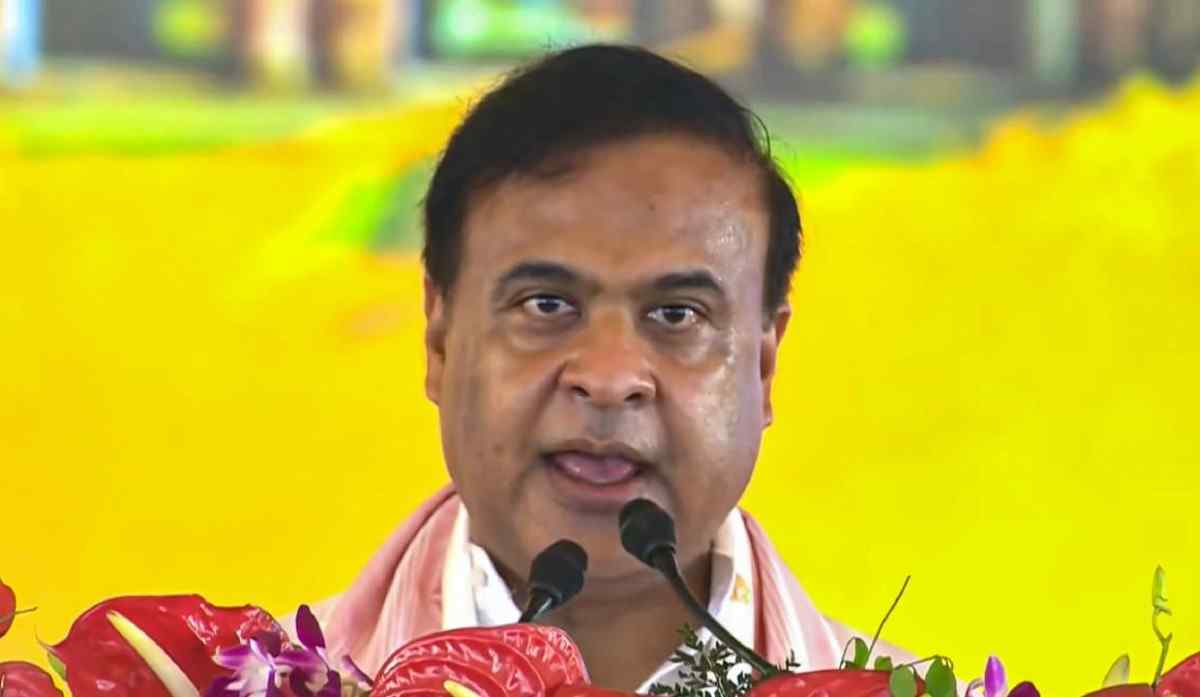
Chief Minister Himanta Biswa Sarma described the development as a “watershed moment” in the state’s history and called it a major step toward ensuring gender justice.
Defending the exclusion of Scheduled Tribes (STs) from the law’s purview, Sarma said tribal communities already follow long-standing customary systems that protect women’s rights and discourage practices like polygamy.
“Tribals have been living in India for centuries and have their own customary laws regulating social life. These systems already provide safeguards for women and discourage polygamy. They have been exempted out of respect for their traditions,” the chief minister said during the Assembly debate.
The Bill triggered sharp criticism from Opposition parties, which argued that existing laws were already sufficient to address issues such as polygamy and child marriage. Opposition leaders alleged that the legislation was politically motivated and accused the government of selectively targeting the Muslim community, which makes up nearly 34 percent of Assam’s population.
Several Opposition members also questioned the government over the exemption granted to Scheduled Tribes, arguing that a law described as “uniform” should apply equally to all communities. Responding to the criticism, Sarma reminded the House that the BJP had promised to implement the UCC in its election manifesto.
“We had clearly stated before the elections that if voted to power, we would bring the UCC. The Congress has repeatedly raised concerns about how the law will affect practices under the Quran and Shariat, but they have not spoken once about the Bhagavad Gita or the Ramayana. This shows the party is speaking only for one community,” he said.
The chief minister further defended the need for the law by saying that reforms should focus on areas where social problems exist.“Will we treat someone who is not ill? UCC will apply reforms where the problems exist, not elsewhere,” Sarma remarked.
According to the government, the new law mandates registration of all marriages, divorces and live-in relationships, prohibits polygamy, and guarantees equal succession rights for sons and daughters as well as protections for elderly parents.
Sarma also claimed that the legislation would help prevent forced or deceptive relationships and marriages. Referring to allegations commonly described by BJP leaders as “love jihad,” he said the law would ensure that marriages and live-in relationships are not entered into through coercion or fraud.
The passage of the Bill is expected to intensify political debate in Assam and across the country, with supporters presenting it as a reform aimed at equality and women’s rights, while critics continue to view it as discriminatory and politically driven.