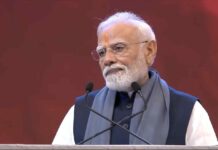
The Union Cabinet, chaired by Prime Minister Narendra Modi, has approved a major social security initiative worth ₹53,428 crore to continue the National Social Assistance Programme (NSAP) for five years, from 2026–27 to 2030–31. The decision aims to strengthen financial assistance for vulnerable citizens, including senior citizens, widows, persons with disabilities and economically disadvantaged families.
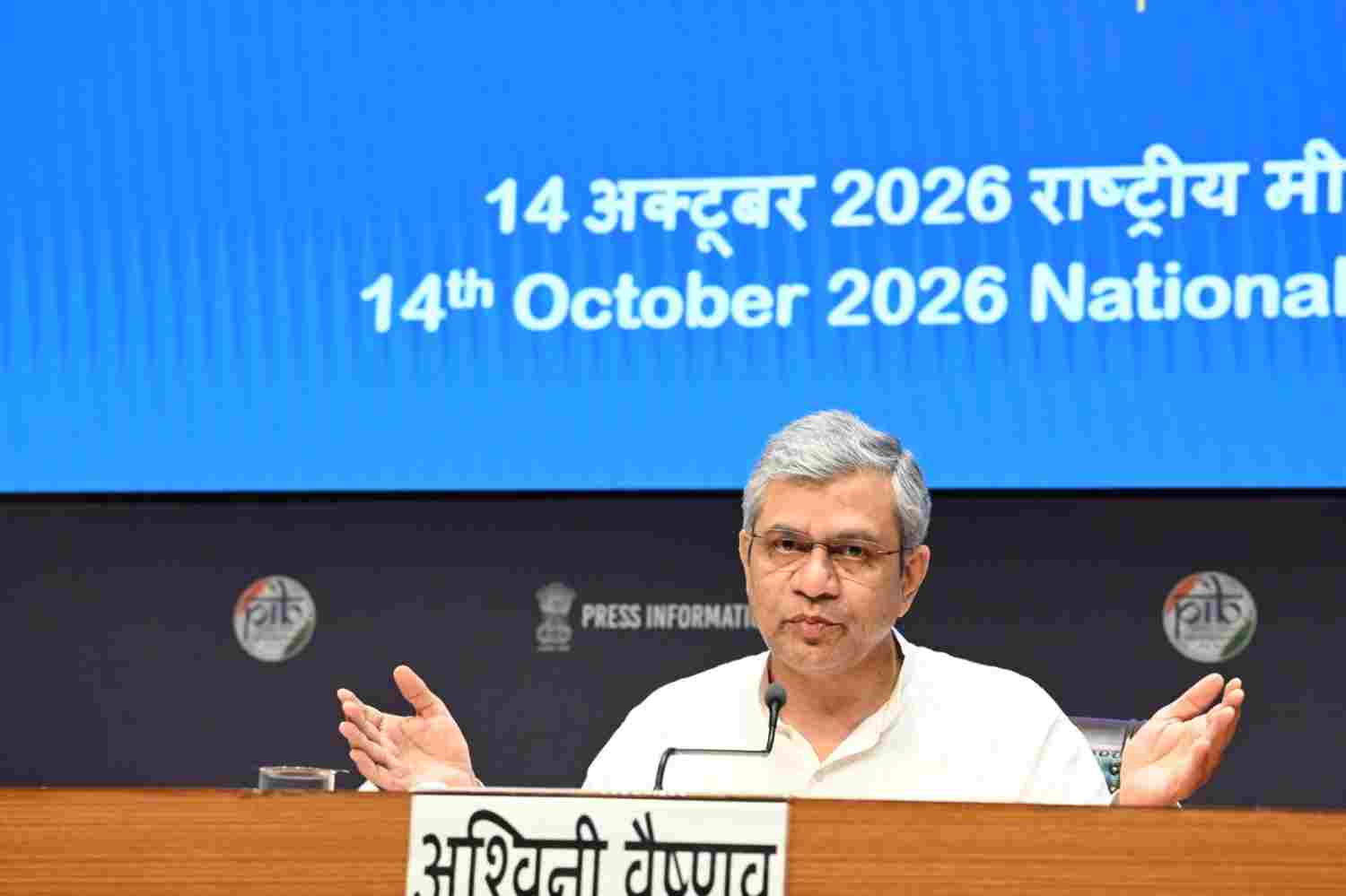
According to the government announcement released by the Press Information Bureau on October 14, 2026, the approval includes renaming the programme and its associated schemes, revising eligibility requirements for disability pensions, and increasing financial assistance for eligible persons with disabilities.
The government estimates that approximately 3.20 crore beneficiaries across all 36 States and Union Territories will benefit from the decision.
₹53,428 Crore Outlay to Strengthen Social Security
The continuation of NSAP is intended to maintain a nationwide social assistance framework for vulnerable sections of society. The programme, administered by the Department of Rural Development, provides financial support to eligible beneficiaries through pension and family assistance schemes.
The latest Cabinet decision maintains support for elderly people and widows under their existing pension arrangements, along with the National Family Benefit Scheme. At the same time, it introduces changes to disability pension eligibility and assistance rates.
The initiative seeks to improve access to government support while ensuring that eligible beneficiaries across the country continue to receive assistance through the national programme.
The total allocation of ₹53,428 crore will cover the five-year period ending in 2030–31.
National Social Assistance Programme Gets a New Name
One of the major changes approved by the Cabinet is the renaming of the National Social Assistance Programme as the Pradhan Mantri Samajik Sahayata Yojana.
Several schemes operating under the programme will also receive new names.
The Indira Gandhi National Old Age Pension Scheme will be renamed the Pradhan Mantri Vridhavastha Pension Yojana. The Indira Gandhi National Widow Pension Scheme will become the Pradhan Mantri Vidhawa Pension Yojana.
Similarly, the Indira Gandhi National Disability Pension Scheme will be known as the Pradhan Mantri Divyangjan Pension Yojana. The National Family Benefit Scheme will be renamed the Pradhan Mantri Parivar Labh Yojana.
These changes form part of the government’s revised framework for social assistance. The Cabinet has retained the existing arrangements for old-age and widow pensions, as well as family benefits, while approving specific changes to disability pension provisions.
Disability Pension: Eligibility Criteria Relaxed
A significant feature of the decision is the revision of eligibility requirements for disability pensions. Under the revised framework, the benchmark disability threshold will be reduced from the existing 80% to 40%.

This change is expected to widen the pool of people who may qualify for assistance, subject to the scheme’s applicable conditions.
The Cabinet has also removed the previous minimum-age restriction by allowing eligibility from birth. This provision broadens the potential coverage to include eligible persons with disabilities from infancy.
The revised criteria align the scheme with the benchmark disability threshold established under the Rights of Persons with Disabilities Act, 2016.
The changes are particularly important because eligibility requirements determine whether individuals with disabilities can access financial assistance through government welfare programmes.
Revised Disability Pension Assistance Rates
The Cabinet has approved revised assistance rates under the disability pension scheme. Eligible beneficiaries aged between zero and 79 years will receive ₹375, while those aged 80 years and above will receive ₹625 under the scheme.
Also Read | Punjab Anti-Drug Activist Murder: Bulldozers Raze Accused’s House As Mansa Erupts In Anger
The revised provisions combine changes to the assistance amount with a broader eligibility framework. Together, these measures are intended to improve access to social assistance for eligible persons with disabilities.
The government has stated that detailed guidelines covering eligibility conditions, beneficiary numbers and assistance rates will be issued and implemented within three months.
The implementation guidelines are expected to provide further clarity on the operational requirements and the application of the revised provisions.
Old-Age and Widow Pensions to Continue
While disability pension provisions are being revised, the Cabinet has decided to continue old-age and widow pension schemes in their existing form.
The family benefit scheme will also continue under the current arrangement.
This continuity is intended to maintain assistance for existing eligible groups while the government introduces changes in the disability pension framework.
The programme’s national coverage remains a key component of its implementation, with beneficiaries spread across all 36 States and Union Territories.
NSAP: A Welfare Programme Since 1995
The National Social Assistance Programme was launched on August 15, 1995, to provide assistance to poor households. Its foundation is linked to Article 41 of the Constitution of India, which addresses the state’s responsibility to provide public assistance in specified circumstances, including old age, sickness and disability, within the limits of its economic capacity and development.
The programme provides 100% central assistance, with the objective of ensuring a uniform availability of support across the country.
The government has also cited the Rights of Persons with Disabilities Act, 2016, as a key reason for revising disability pension eligibility. The legislation establishes a benchmark disability threshold of 40% and provides for disability-related assistance to be 25% higher than comparable schemes for other categories, as applicable under the relevant framework.
Implementation Expected Within Three Months
The next phase will involve issuing detailed guidelines for the revised disability pension provisions. These guidelines will specify eligibility requirements, beneficiary coverage and assistance rates.
With a five-year financial commitment and an estimated 3.20 crore beneficiaries, the Cabinet’s approval represents a significant continuation of India’s social assistance framework.
The impact of the revised disability pension criteria will depend on implementation, beneficiary identification and the effective application of the new guidelines across States and Union Territories.
The decision combines continuity in existing welfare support with targeted changes intended to expand disability pension access. Its implementation over the coming months will be important in determining how eligible beneficiaries experience the revised provisions.
Click here to join our WhatsApp Channel for real-time news updates and exclusive coverage.