
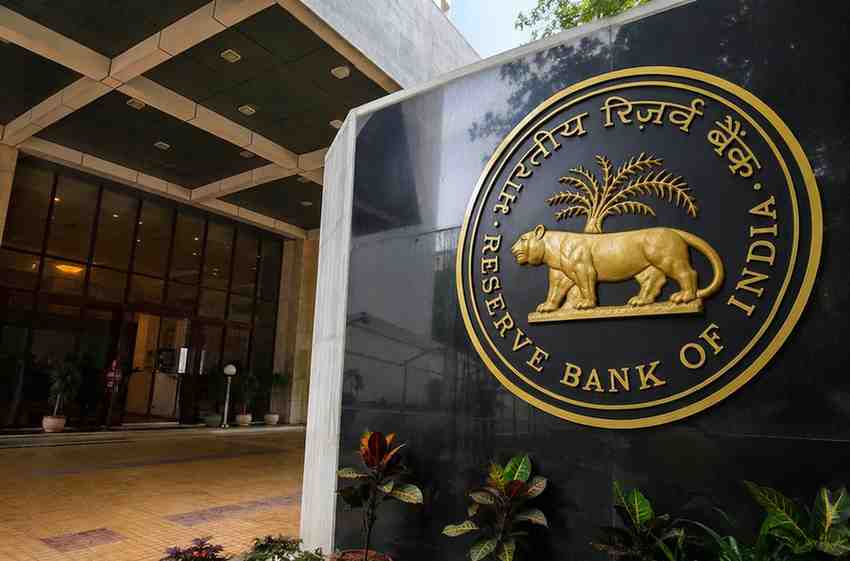
The Reserve Bank of India (RBI) has delivered a significant monetary policy shock by raising the benchmark repo rate by 25 basis points to 5.50%, marking its first rate increase since February 2023. The move comes as policymakers confront renewed inflationary pressures, elevated crude oil prices and currency-related risks while the Indian economy continues to show strong growth.
RBI Raises Repo Rate After Three-Year Pause
The six-member Monetary Policy Committee (MPC), headed by RBI Governor Sanjay Malhotra, unanimously approved the 25-basis-point increase. The repo rate has moved up from 5.25% to 5.50%.
The decision represents a major shift in India’s monetary policy direction. The RBI had last increased the repo rate in February 2023, when it raised the benchmark to 6.50%. After subsequently cutting rates by a cumulative 125 basis points during 2025, the central bank had kept the repo rate unchanged at 5.25% during its previous four policy reviews.
The latest hike therefore signals that the RBI is becoming more cautious about the renewed threat from inflation, even as economic activity remains resilient.
Inflation Pressure Triggers Fresh RBI Action
A key factor behind the decision is the recent rise in consumer inflation. India’s retail inflation climbed to 4.82% in August, remaining above the RBI’s 4% inflation target for the third consecutive month.
Higher global crude oil prices have added another layer of concern. Rising energy costs can increase transportation, manufacturing and household expenses, potentially creating broader price pressures across the economy.
The RBI is also monitoring the impact of adverse weather conditions and weak monsoon patterns. Concerns surrounding food prices, combined with higher energy costs, have made the inflation outlook more challenging.
Monetary Policy Stance Turns Towards Tightening
Alongside the repo rate increase, the RBI has shifted its monetary policy stance from neutral to calibrated tightening, signalling a stronger focus on containing inflation risks.
The change is particularly important because it suggests that policymakers are prepared to respond if inflationary pressures become more persistent.
For financial markets, the stance will be closely watched for clues about whether the October hike represents a one-off adjustment or the beginning of a broader rate-tightening cycle.
Strong Economic Growth Gives RBI Room to Act
Despite inflation concerns, India’s economic performance remains robust.
India’s GDP grew by 7.8% in the April-June quarter, exceeding the RBI’s earlier forecast of 7%. The strong growth performance indicates that domestic economic activity has enough momentum to absorb some tightening in financial conditions.
Strong domestic demand, manufacturing activity and services growth have helped maintain economic momentum. This gives the central bank greater flexibility to prioritise price stability without immediately resorting to measures that could severely undermine growth.
What the Repo Rate Hike Means for Borrowers
The RBI’s decision could have a direct impact on borrowing costs across the financial system.
When the repo rate rises, banks face a higher cost of short-term funds from the central bank. Depending on their lending benchmarks and funding conditions, banks may pass some of the increase on to customers through higher interest rates.
Home loan, vehicle loan and personal loan borrowers could therefore face higher interest costs. Existing borrowers with floating-rate loans may see their interest rates or repayment schedules adjusted, although the exact impact will depend on individual lenders and loan agreements.
For prospective borrowers, the increase could make new loans slightly more expensive.
Markets Brace for Higher Interest Rates
Financial markets had already been closely watching the RBI’s policy decision. Rate-sensitive sectors, including banks, automobiles and real estate, came under pressure ahead of the announcement as investors assessed the possibility of tighter monetary conditions.
Also Read | IIT Ropar Launches AVNI: Groundbreaking AI Initiative Inspires Children To Discover Agriculture
The central bank’s future guidance will now be crucial. Investors will focus on Governor Sanjay Malhotra’s assessment of inflation, crude oil prices, liquidity conditions, the rupee and economic growth.
RBI Faces a Delicate Balancing Act
The latest decision highlights the difficult balance facing India’s central bank. The RBI must control inflation without unnecessarily weakening an economy that continues to demonstrate strong growth.
The 25-basis-point increase is relatively modest, but its timing carries considerable significance. After years of monetary easing and a prolonged pause, the return to rate hikes signals that inflation risks have once again become a priority.
For households, businesses and investors, the RBI’s October decision could mark an important turning point in India’s interest-rate cycle. The coming months will reveal whether the central bank needs further tightening or whether the latest increase will be sufficient to bring inflation back towards its target while preserving India’s economic momentum.
Click here to join our WhatsApp Channel for real-time news updates and exclusive coverage.