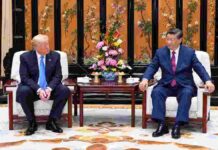
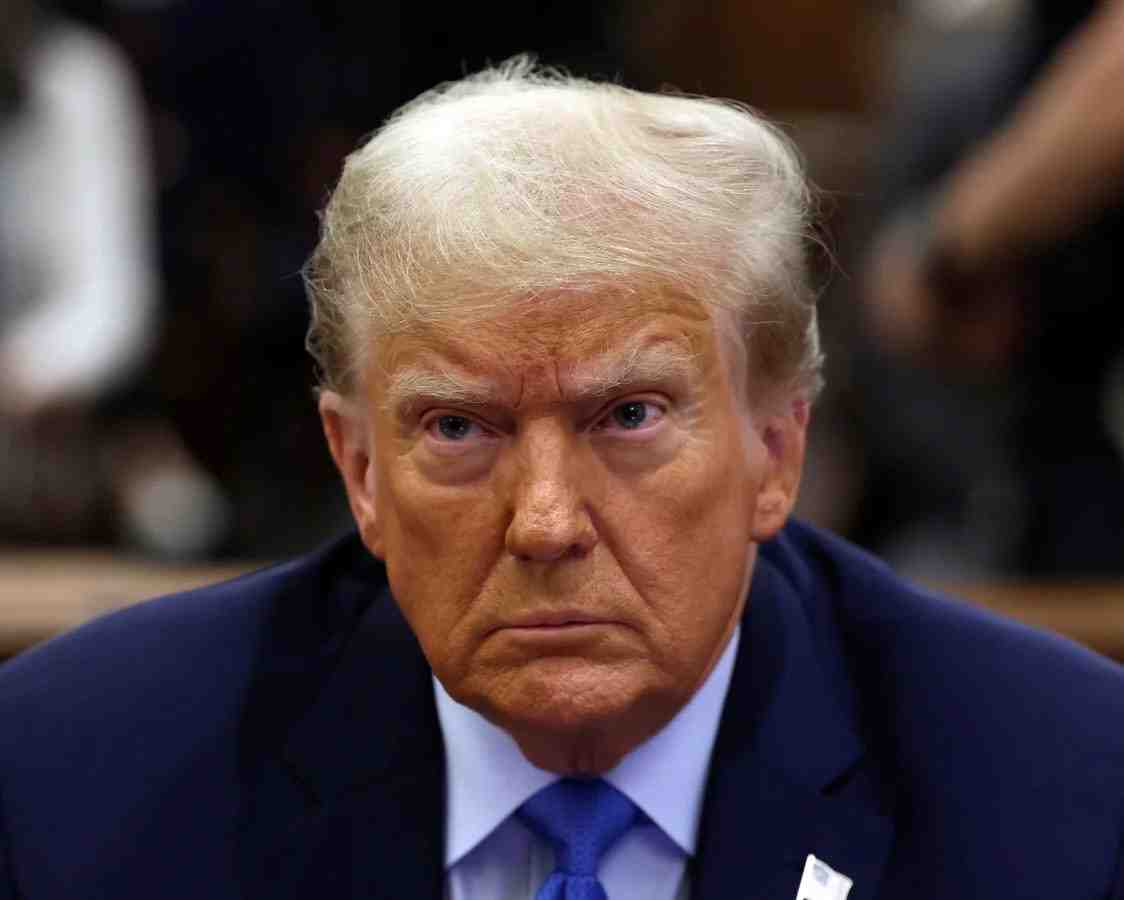
The US President Donald Trump has signed into law a sweeping Russia sanctions package that gives his administration new powers to impose tariffs of up to 100 per cent on countries buying Russian oil and natural gas. India, one of the largest purchasers of Russian crude, could be exposed to the new US trade measures, although no 100 per cent tariff has been imposed on Indian goods so far.
The legislation, known as the Lindsey O. Graham Sanctioning Russia and Iran Act of 2026, was signed by Trump on Friday, September 18. It expands US sanctions against Russia’s energy and defence sectors and targets financial institutions, Russian officials and vessels associated with the country’s so-called shadow fleet.
The law marks a significant escalation in Washington’s efforts to put economic pressure on Moscow over its continuing war in Ukraine. It also creates a new statutory route for the US president to penalise major buyers of Russian energy.
India Emerges as a Key Country at Risk
India’s position as a major importer of Russian crude places it among the countries that could potentially be affected by the legislation.
The law authorises tariffs of up to 100 per cent on goods entering the United States from the five largest purchasers of Russian crude oil or natural gas. The relevant countries are determined using energy-import data covering the preceding 12 months, with the list subject to reassessment.
India has significantly increased its purchases of Russian crude since Western sanctions disrupted traditional energy flows following Moscow’s invasion of Ukraine. According to data cited by the Centre for Research on Energy and Clean Air, India’s Russian crude imports rose sharply in June 2026, making it the second-largest buyer after China.
However, Trump’s signing of the legislation does not automatically mean that Indian exports will now face a 100 per cent US tariff. The legislation provides a ceiling of up to 100 per cent and gives the administration substantial discretion over the actual measures and their implementation.
New Law Targets Energy Revenue
The central objective of the legislation is to increase economic pressure on Moscow by targeting the energy trade that provides Moscow with substantial export revenue.l
The package expands sanctions against Russian officials, banks and energy-related entities. It also targets the network of vessels known as the shadow fleet, which Western governments accuse of helping Russia transport oil while circumventing sanctions.
The law additionally provides for tariffs of up to 500 per cent on certain goods imported directly from Russia, further increasing pressure on Moscow’s trade flows.
The measure received strong support in Congress. It passed the Senate by an 86-11 vote in August and cleared the House of Representatives by 262-159 earlier this week before reaching Trump’s desk.
India Warns of Wider Economic Consequences
New Delhi has already expressed concern about the possible consequences of the US legislation.
India’s Ministry of External Affairs said the government had raised the issue with US interlocutors and clearly communicated its concerns regarding the potential impact on bilateral relations and the international energy market.
New Delhi also stated that it would take necessary measures to safeguard its trade and economic interests.
Also Read | SEMICON India 2026: “Major Breakthrough” As 25 Deals Boost India’s Chip Ambitions
The potential tariff threat comes at a sensitive moment for India-US economic relations. Indian exporters could face significant pressure if Washington eventually applies exceptionally high duties to Indian products entering the US market.
At the same time, restrictions on Russian crude purchases could have implications beyond bilateral trade because India is a major participant in global energy markets.
Trump Gets Broad Discretion Over Tariffs
One of the most consequential aspects of the legislation is the discretion it gives the US president.
The law allows tariffs of up to 100 per cent against qualifying countries rather than automatically applying a fixed rate. The administration can also waive tariffs in certain circumstances if doing so is considered to be in US national interests.
The legislation also contains provisions concerning countries that knowingly make new purchases of Russian oil or gas after the law takes effect, as well as countries identified among the leading facilitators of sanctions evasion.
This means the potential scope of the measures could evolve depending on future Russian energy trade and decisions taken by the Trump administration.
What Happens Next for India?
The immediate issue for India is not an existing 100 per cent tariff but the possibility that Washington could use the new authority against major Russian energy buyers.
The law gives the Trump administration a stronger legal mechanism to impose such duties, potentially making future US action more difficult to challenge on the grounds of presidential authority than earlier tariff measures.
India is therefore likely to face a difficult balancing act between maintaining energy security, protecting trade interests and managing its relationship with Washington.
For New Delhi, Russian crude remains important because access to competitively priced supplies can help manage domestic energy costs. For Washington, continued purchases of Russian energy represent a source of revenue for Moscow that the US wants to restrict.
The coming weeks will determine how aggressively the Trump administration uses its new powers. For now, the signing of the Russia sanctions law has created a major new tariff risk for India, but the actual tariff rate, targeted countries and implementation remain subject to decisions by the US administration.
Click here to join our WhatsApp Channel for real-time news updates and exclusive coverage.