
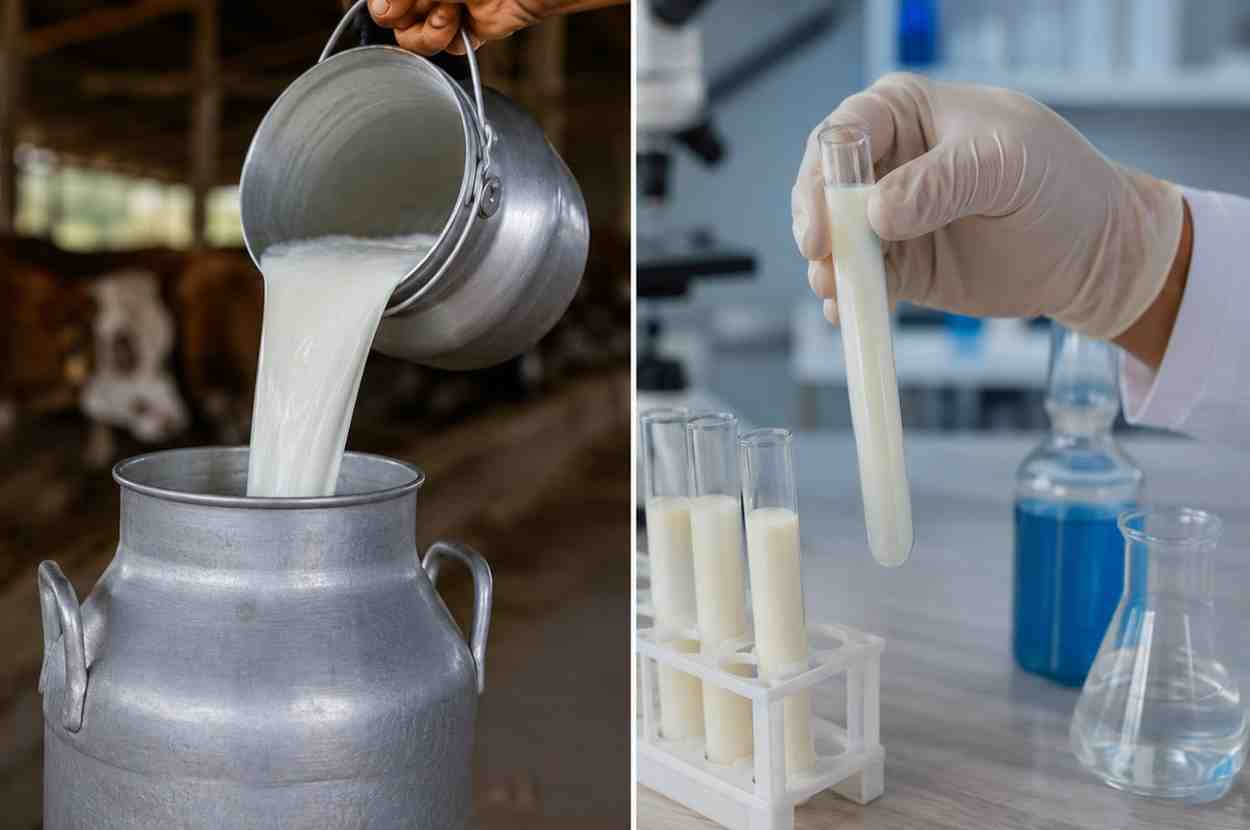
India is witnessing a growing public health concern as synthetic and adulterated milk continues to find its way into the market, with Maharashtra emerging as one of the states reporting significant levels of contamination. The issue has sparked fresh debates over food safety, stricter enforcement, and the need for greater consumer awareness as millions rely on milk as a daily nutritional staple.
Synthetic Milk: What It Is and Why It Is Dangerous
Synthetic milk is an artificial product designed to resemble natural milk in appearance and texture. Instead of being sourced from dairy animals, it is prepared using a mixture of water, vegetable oil, detergents, urea, starch, glucose, and other chemicals. These substances imitate the colour, consistency, and fat content of genuine milk but lack its nutritional value.
Food safety experts warn that prolonged consumption of synthetic milk can lead to digestive disorders, kidney complications, liver damage, and other serious health issues. Children, pregnant women, and elderly individuals are considered the most vulnerable because milk forms a significant part of their daily diet.
Maharashtra Reports High Levels of Milk Adulteration
Maharashtra has repeatedly featured among states where milk adulteration remains a major concern. Previous studies conducted by consumer organisations have indicated that a large percentage of milk samples collected from various parts of the state failed quality standards due to adulteration or contamination.
The widespread nature of the problem has prompted state authorities to conduct frequent inspections, collect milk samples from vendors, and initiate legal action against those found violating food safety norms. Officials believe stronger surveillance and regular laboratory testing are essential to curb the illegal trade.
Common Adulterants Found in Milk
Investigations have revealed that several harmful substances are commonly mixed into milk to increase its volume or extend its shelf life. These include:
- Urea to artificially raise protein readings.
- Detergents to create a frothy appearance.
- Starch to thicken diluted milk.
- Synthetic fats and vegetable oils to imitate milk fat.
- Glucose and sugar to improve taste.
- Hydrogen peroxide and other chemicals to delay spoilage.
Many of these additives are unsafe for regular human consumption and may cause long-term health complications if consumed repeatedly.
Food Safety Authorities Tighten Monitoring
The Food Safety and Standards Authority of India (FSSAI), along with state food safety departments, continues to strengthen surveillance through routine sampling and laboratory testing. Authorities have urged consumers to purchase milk only from trusted brands or licensed vendors and to report suspicious products.
Also Read: NEET UG 2026 Re-Exam Results Declared; Candidates Can Now Download Scorecards
Officials also conduct surprise inspections at dairies, transport vehicles, and retail outlets to identify illegal operations producing or distributing adulterated milk. Legal action under food safety laws can include fines, licence cancellation, and criminal prosecution for serious offences.
Consumers Encouraged to Stay Alert
Health experts advise consumers to remain cautious while purchasing milk. Although laboratory testing remains the most reliable method to detect adulteration, simple household observations may help identify suspicious products. Milk that has an unusual smell, excessive froth, unnatural thickness, or leaves soapy residue may indicate contamination.
Consumers are encouraged to buy packaged milk from recognised manufacturers, verify expiry dates, and avoid unusually cheap products that may not meet safety standards.
Public Health Challenge Requires Collective Action
Experts believe tackling synthetic milk requires coordinated efforts involving government agencies, dairy cooperatives, law enforcement authorities, and consumers. Regular inspections, stricter penalties, improved testing facilities, and public awareness campaigns are considered crucial in reducing adulteration.
India is one of the world’s largest milk producers, and maintaining confidence in the dairy supply chain is essential for both public health and the country’s dairy economy. Ensuring that milk reaching households is safe and unadulterated remains a priority for regulators as they work to eliminate fraudulent practices from the market.
Click here to join our WhatsApp Channel for real-time news updates and exclusive coverage.