
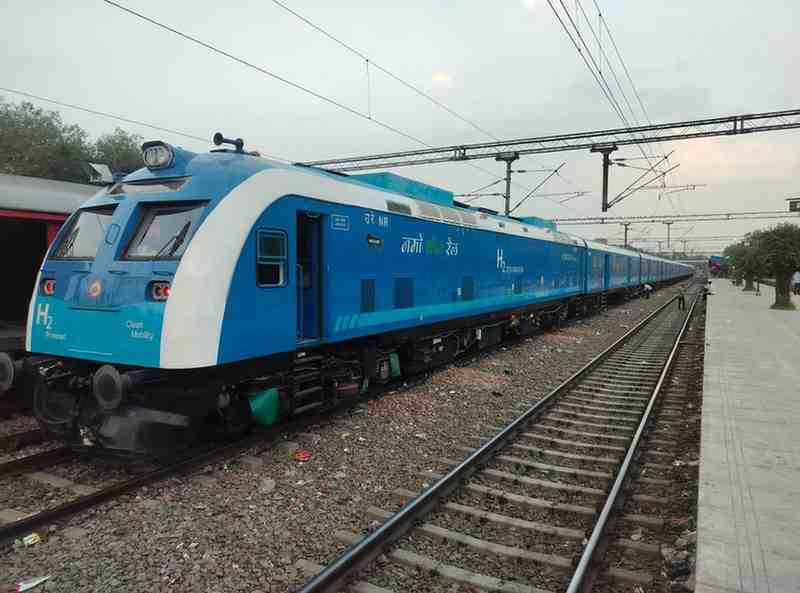
NEW DELHI: India is set to achieve a major milestone in sustainable transportation as Prime Minister Narendra Modi will flag off the country’s first hydrogen-powered train on the Jind–Sonipat railway section in Haryana on July 17. The launch marks a significant step in Indian Railways’ efforts to reduce carbon emissions and adopt cleaner energy solutions while modernising the country’s vast rail network.
The hydrogen-powered train represents one of India’s most ambitious green mobility initiatives. By replacing conventional diesel-powered operations with hydrogen fuel cell technology, Indian Railways aims to demonstrate that environmentally friendly transportation can also be efficient, reliable and suitable for large-scale public use.
A major boost to green transportation
The launch of the hydrogen train is expected to strengthen India’s commitment to achieving cleaner and more sustainable transportation systems. Hydrogen-powered trains emit only water vapour during operation, making them virtually pollution-free compared to diesel locomotives.
The project aligns with the government’s broader vision of promoting renewable energy, reducing dependence on fossil fuels and achieving long-term climate goals. Officials believe that introducing hydrogen technology into railway operations will significantly contribute to lowering greenhouse gas emissions while encouraging innovation in the transport sector.
How hydrogen-powered trains work
Unlike conventional trains that rely on diesel engines or overhead electric lines, hydrogen trains generate electricity through hydrogen fuel cells installed onboard.
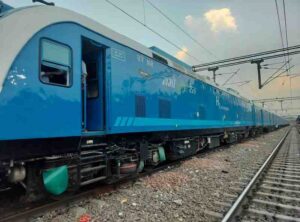
Inside the fuel cell, hydrogen combines with oxygen from the atmosphere through an electrochemical process. This reaction produces electricity to power the train while releasing only water and heat as by-products instead of harmful exhaust gases.
Also Read: CBI Arrests KAPL MD In ₹15 Lakh Bribery Case, Cash And Gold Seized
The electricity generated is supplied to electric traction motors, allowing the train to operate efficiently without diesel combustion. Batteries also store excess energy generated during braking, improving overall energy efficiency and operational performance.
Designed for Indian conditions
The hydrogen-powered train has been developed with technology suited to Indian operating conditions and passenger requirements. Reports indicate that the train consists of 10 coaches, making it one of the largest hydrogen-powered passenger trains in the world, as many similar trains operating internationally have only two to four coaches.
The train has been designed with modern passenger amenities, improved safety systems and dedicated hydrogen storage infrastructure. A specialised hydrogen production and refuelling facility has also been established to support regular operations on the Jind–Sonipat route.
Railway officials have carried out extensive testing and safety assessments before the commercial launch to ensure reliable performance under Indian conditions.
Why the project is important
Indian Railways is among the world’s largest railway networks and remains one of the country’s biggest consumers of diesel fuel. Introducing hydrogen-powered trains could substantially reduce fuel consumption and carbon emissions over time.
The pilot project is expected to provide valuable operational experience before similar technology is introduced on additional railway routes across the country. If successful, hydrogen-powered trains may eventually replace diesel services on selected non-electrified routes where full electrification is not immediately feasible.
The initiative also supports India’s ambition of becoming a global leader in green energy technologies and sustainable transport solutions.
Global significance
Only a limited number of countries have introduced hydrogen-powered passenger trains, making India’s entry into this technology an important development. Nations such as Germany have already demonstrated the viability of hydrogen rail systems, while several others are exploring similar projects to reduce transport-related emissions.
With the launch of its first hydrogen train, India joins the growing list of countries investing in zero-emission railway technology. Experts believe the project could encourage further research, domestic manufacturing and technological innovation in hydrogen-based mobility.
A step towards a cleaner future
The inauguration of the Jind–Sonipat hydrogen train is expected to become a landmark moment for Indian Railways and the country’s green energy transition. Beyond offering an eco-friendly travel option, the project reflects India’s increasing focus on adopting advanced technologies that balance economic growth with environmental sustainability.
As Indian Railways continues modernising its network through electrification, renewable energy and alternative fuels, the hydrogen-powered train could become a model for future clean transportation projects. The successful implementation of this initiative may pave the way for wider adoption of hydrogen technology across India’s railway system in the coming years, helping reduce pollution while delivering safer and more sustainable public transport.
Click here to join our WhatsApp Channel for real-time news updates and exclusive coverage.