NEW DELHI: The India Meteorological Department (IMD) has issued a fresh weather warning for several parts of the country, forecasting heavy to extremely heavy rainfall across 14 states over the next 24 hours. The alert comes as the southwest monsoon remains active over eastern, northeastern and Himalayan regions, increasing the risk of flooding, waterlogging and landslides in vulnerable areas. At the same time, several southern and coastal states are expected to continue experiencing hot and humid weather due to subdued rainfall.
Extremely Heavy Rainfall Forecast for Several States
According to the IMD, extremely heavy rainfall is expected at isolated places in multiple states, especially in eastern and northeastern India. Odisha remains among the most vulnerable regions, with the weather department warning of intense rainfall that could disrupt transport, affect low-lying areas and increase the possibility of flash floods.
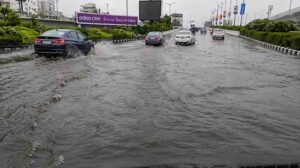
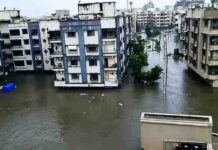
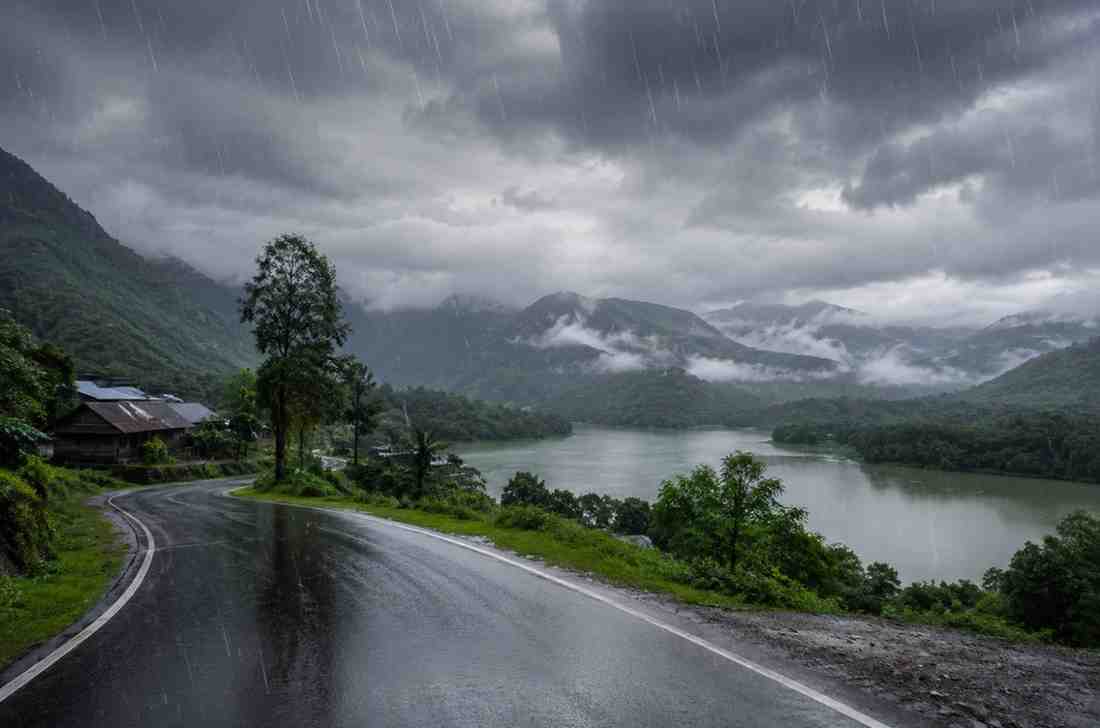
Heavy to very heavy rain is also likely over Bihar, Jharkhand, West Bengal, Assam, Meghalaya, Arunachal Pradesh, Nagaland, Manipur, Mizoram, Tripura, Chhattisgarh, Uttarakhand and parts of eastern Uttar Pradesh. Several districts in these states have been advised to remain on alert as continuous rainfall may trigger landslides in hilly areas and inundation in urban locations.
Red Alert for High-Risk Areas
The IMD has issued high-level weather alerts for regions expected to receive exceptionally heavy rainfall. Authorities have been advised to remain prepared for emergency situations, particularly in districts prone to flooding and landslides.
Residents living near rivers, hill slopes and low-lying localities have been asked to closely monitor official weather updates and follow evacuation instructions if required. Disaster response agencies have also been directed to stay on standby to respond quickly in case of weather-related emergencies.
Southern States Continue to Experience Humidity
While many parts of northern, eastern and northeastern India are likely to witness widespread rainfall, the weather pattern is expected to remain different across southern India.
States including Tamil Nadu, Andhra Pradesh, Telangana and parts of Karnataka are likely to experience hot and humid conditions despite isolated rainfall activity. The limited rainfall is expected to provide little relief from rising humidity levels, making outdoor conditions uncomfortable during the day.
Also Read: Karnataka Plans India’s First Government AI University
Meteorologists have attributed this contrasting weather pattern to variations in monsoon activity across different regions of the country.
Delhi-NCR May Receive Light Rain
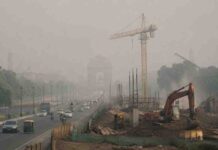
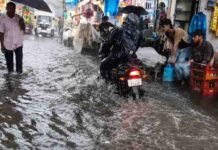
The national capital and neighbouring NCR regions are expected to witness light to moderate rainfall accompanied by thunderstorms at isolated places. Recent showers have already brought temporary relief from high temperatures, although waterlogging was reported in several areas after overnight rain.
The IMD has indicated that intermittent rainfall may continue over the next few days, helping keep temperatures relatively stable while maintaining high humidity levels. Motorists have been advised to drive carefully during periods of heavy showers.
Monsoon Activity Remains Uneven
The southwest monsoon continues to display uneven distribution across the country. While eastern and northeastern states are witnessing vigorous rainfall activity, rainfall over several western and southern regions remains below normal.
Weather experts believe this uneven pattern could continue for the coming days, with some regions receiving excessive rainfall while others continue to experience subdued monsoon conditions. The IMD is closely monitoring changing weather systems and has advised state governments to remain prepared for localised weather-related emergencies.
Public Advisory Issued by IMD
The weather department has urged people in rain-affected regions to avoid unnecessary travel during periods of intense rainfall. Citizens have been advised to stay away from overflowing rivers, flooded roads and landslide-prone areas.
Farmers have also been encouraged to monitor district-level weather advisories before carrying out agricultural activities. Local administrations have been instructed to ensure drainage systems remain functional and emergency response teams remain ready in vulnerable districts.
The IMD has stressed that weather conditions may change rapidly depending on the movement of monsoon systems, and people should regularly follow official forecasts and warnings for the latest updates.
Click here to join our WhatsApp Channel for real-time news updates and exclusive coverage.