
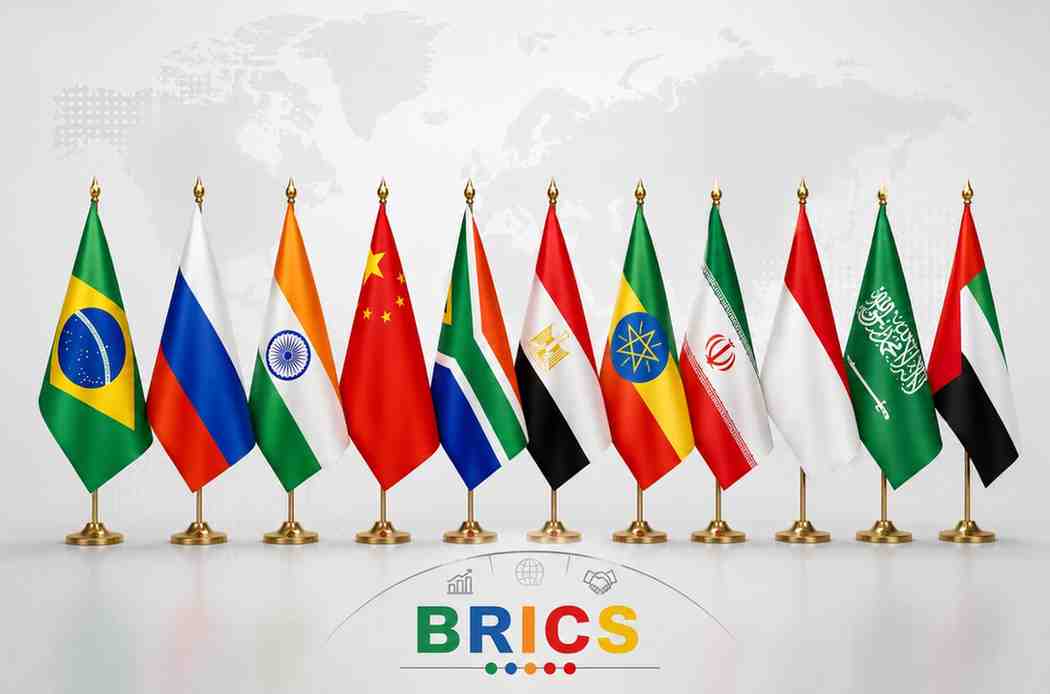
NEW DELHI: India will host the BRICS Heads of Anti-Drug Agencies Meeting on July 6–7, 2026, in Guwahati, Assam, bringing together the heads of anti-narcotics agencies and senior officials from all 11 BRICS member countries. The high-level gathering aims to strengthen institutional cooperation, improve intelligence sharing, and build a coordinated response to evolving global drug trafficking threats.
Organised by the Narcotics Control Bureau (NCB) under the Ministry of Home Affairs, the meeting is expected to reinforce operational collaboration among BRICS nations while addressing emerging challenges such as synthetic drugs, darknet-enabled trafficking, precursor chemical diversion, and cryptocurrency-linked illicit financial networks.
India Pushes for Action-Oriented BRICS Cooperation
India is using its BRICS Chairmanship in 2026 to transform anti-drug cooperation within the grouping from discussions to practical action. The government intends to strengthen long-term institutional mechanisms that enable faster intelligence exchange, joint enforcement efforts, and coordinated policy responses against transnational drug crimes.

Officials believe the rapidly changing nature of global narcotics trafficking requires stronger international partnerships. The rise of synthetic drugs, New Psychoactive Substances (NPS), encrypted online marketplaces, and digital payment systems has made drug trafficking more sophisticated, demanding collective responses beyond national borders.
The meeting is expected to encourage greater operational coordination among BRICS nations while promoting the sharing of advanced technologies used in drug detection, financial investigations, and interdiction operations.
Three Priority Areas on the Agenda
The two-day conference will primarily focus on three strategic priorities designed to improve cooperation among member countries.
The first priority is combating the production and trafficking of synthetic drugs while preventing the diversion of precursor chemicals used in their manufacture.
The second area focuses on strengthening intelligence sharing and improving operational coordination among anti-drug agencies. Officials aim to develop more effective mechanisms for exchanging actionable information and supporting joint investigations.
The third priority is expanding institutional cooperation through capacity-building initiatives, expert exchanges, specialised training programmes, and sharing of successful enforcement practices.
Also Read: AICTE Shuts 58 Engineering Colleges Across India; Existing Students Can Complete Degrees
India is also expected to advocate closer collaboration in monitoring clandestine laboratories, tracking emerging synthetic drug trends, and improving surveillance of pharmaceuticals and precursor chemicals frequently misused for illegal drug production.
India Highlights Its Anti-Drug Campaign
The BRICS meeting will also provide India with an opportunity to present its expanding efforts to combat drug trafficking and substance abuse under the vision of building a Drug-Free India.
The government has intensified enforcement against organised criminal networks involved in narcotics trafficking while simultaneously investing in prevention, awareness campaigns, rehabilitation, and treatment services for individuals affected by addiction.
Officials have adopted a whole-of-government approach involving multiple agencies working together to tackle every stage of the drug ecosystem, from production and trafficking to prevention and recovery.
India has recently introduced its Vision Document on Narcotics Control (2026–2029), which seeks to further strengthen institutional capacity, modernise enforcement capabilities, and improve coordination between central and state agencies in addressing narcotics-related challenges.
Six Thematic Sessions to Address Emerging Threats
Delegates from BRICS member countries will participate in six specialised thematic sessions focusing on evolving trends in global drug trafficking and enforcement.
One session will examine how digital technologies can support real-time drug interdiction and intelligence gathering. Another will address strategies for combating drug trafficking conducted through darknet platforms, which have increasingly become channels for illegal narcotics trade.
Participants will also discuss the growing threat posed by New Psychoactive Substances (NPS), which continue to emerge rapidly and often evade traditional regulatory frameworks.
Additional sessions will focus on securing global supply chains against precursor chemical diversion and preventing chemical leakage into illicit manufacturing networks. Demand reduction strategies, including awareness programmes and public health initiatives, will also feature prominently during the discussions.
The final thematic session will explore ways to strengthen institutional mechanisms that can sustain long-term cooperation among BRICS anti-drug agencies.
BRICS Cooperation Expands Under India’s Chairmanship
India’s BRICS Chairmanship in 2026 is being guided by the theme “Building for Resilience, Innovation, Cooperation and Sustainability.” The government views the anti-drug meeting as an important opportunity to deepen cooperation among member nations on issues that have significant global and regional implications.
The BRICS grouping now comprises Brazil, China, Egypt, Ethiopia, India, Indonesia, Iran, Russia, Saudi Arabia, South Africa, and the United Arab Emirates, representing some of the world’s largest emerging economies.
With drug trafficking networks becoming increasingly transnational and technology-driven, India hopes the Guwahati meeting will lay the foundation for stronger institutional partnerships, enhanced intelligence exchange, and coordinated enforcement efforts capable of addressing future narcotics threats more effectively.
The outcomes of the meeting are expected to contribute to a more resilient and collaborative BRICS framework for combating drug trafficking while supporting global efforts to improve public safety, disrupt organised criminal networks, and protect communities from the growing dangers of illicit narcotics.
Click here to join us on WhatsApp Channel and get all the latest news updates